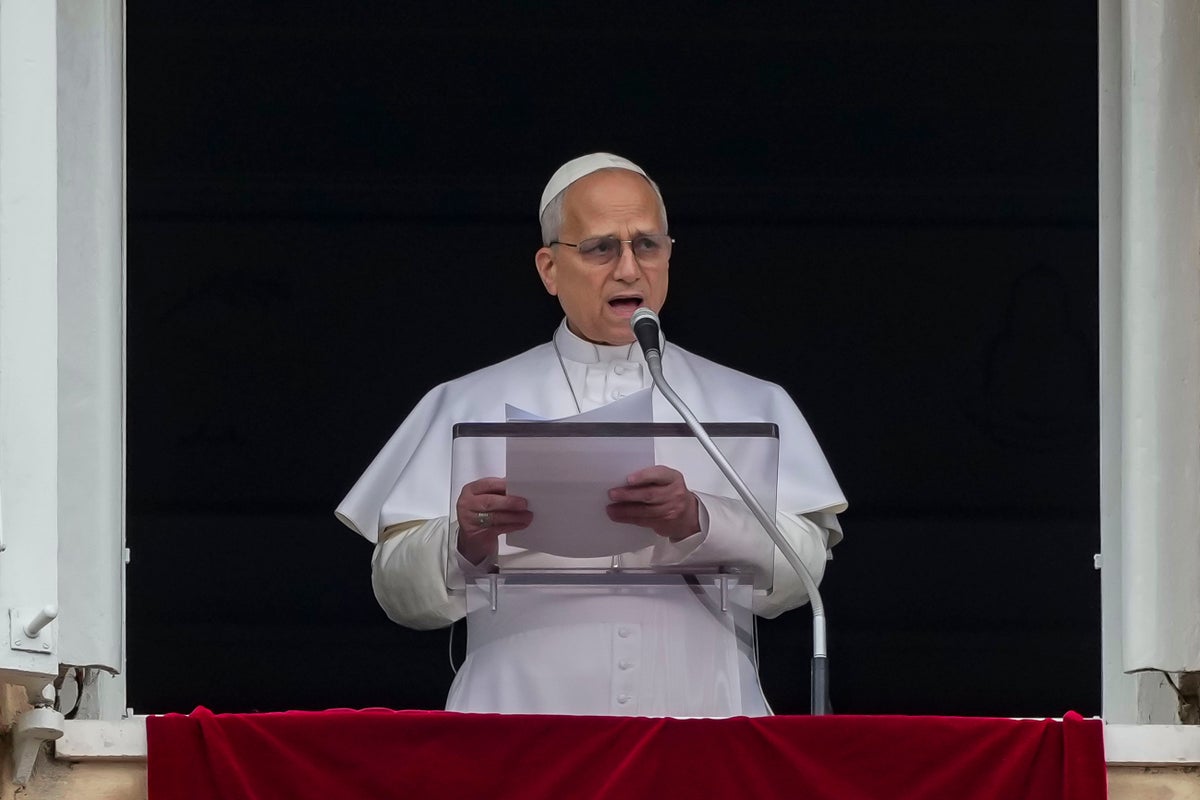
Is healthcare a basic human right or a luxury for those who can afford it? That question just set off a massive diplomatic spark between the Vatican and the White House. On Wednesday, Pope Leo XIV didn’t hold back. He called universal healthcare a moral imperative for any society that wants to call itself just. While he didn't name names, the timing was impossible to ignore. It came right after the Trump administration doubled down on policies that critics say pull the rug out from under the most vulnerable.
This isn't just a polite disagreement between world leaders. It’s a fundamental clash of worldviews. You have the first American Pope, who knows the U.S. system inside and out, standing in St. Peter’s Square telling the world that treating health as a "consumer good" is basically a form of hypocrisy.
The moral imperative versus the market
Pope Leo’s choice of words matters. By calling universal coverage a "moral imperative," he’s pulling this out of the realm of mere politics and dropping it squarely into the lap of Catholic doctrine. He told a crowd of healthcare experts and bishops that "health cannot be a luxury for the few." He’s right. When you look at the numbers, the gap between the healthy and the sick often boils down to the size of your paycheck.
The Trump administration's recent focus has been on "putting folks on notice" and trimming what they see as bloated government programs. They’ve pushed for cuts to Medicaid and shifted toward private-sector solutions. To the Vatican, that looks like a "throwaway culture" in action. Leo argued that if we ignore the structural causes of inequality—like income and education—we’re being hypocrites when we say we value life.
Why this hits differently in 2026
We aren't just talking about abstract theory anymore. The world is still nursing a collective bruise from the pandemic. Leo pointed out that COVID-19 showed us how "reciprocity and interdependence" are the only ways we survive. If your neighbor can’t get a vaccine or a checkup, you aren't safe either.
- War and Health: The Pope specifically linked the cost of weapons to the lack of clinics. He noted that we spend billions on military equipment while civilian hospitals are being bombed or underfunded.
- The American Factor: Being from the U.S., Leo understands the "American First" bilateral health agreements. He's seen how the focus has shifted toward national interests over global health equity.
A direct challenge to the Ordo Amoris
There’s a deeper philosophical fight happening here. Vice President JD Vance and others in the administration have occasionally referenced the "Ordo Amoris"—the idea that we have a hierarchy of love, focusing first on our own families and nations. The Vatican is calling foul.
Pope Leo (and Francis before him) argues that this hierarchy shouldn't be used to exclude. In his view, "if all people are my brothers and sisters, then it matters little whether my neighbor was born in my country or elsewhere." When the U.S. pulls out of international climate agreements or cuts global health aid, it’s a rejection of that universal bond.
The hypocrisy of "valuing life"
You can’t claim to be "pro-life" and then let people die because they can’t afford insulin. That’s essentially what the Vatican is saying. The Pope was blunt: it's hypocritical to say life is fundamental while ignoring policies that create massive disparities in life expectancy.
The administration’s defense usually centers on freedom and religious liberty. They argue that protecting the conscience of healthcare providers is the real moral priority. While Leo agrees that we should reject "compromises" like euthanasia, he won’t let that be an excuse to ignore the poor.
What actually works
If we want to move past the rhetoric, we have to look at the "One Health" approach the Pope mentioned. This isn't just about doctors. It’s about:
- Integrating health into all policies: Transportation, housing, and agriculture all affect how long you live.
- Multilateral cooperation: No country is an island, especially when it comes to viruses.
- Prioritizing common good over immediate profit: This is the hardest pill for a market-driven system to swallow.
Turning the tide on inequality
The Vatican isn't just complaining; they're calling for a "democratic culture" that unites efficiency with justice. It’s a tall order. But as Leo noted, caring for the humanity of others is the only way we actually live our own lives to the full.
If you want to see where this goes next, keep an eye on the upcoming reports from the Department of Justice’s Religious Liberty Commission. They’re expected to drop recommendations soon that will likely push the U.S. even further away from the Vatican’s vision.
The next move for anyone watching this space is to look at local legislation. While the big headlines happen in Rome and D.C., the actual access to care is often decided at the state level. Check how your local representatives are voting on Medicaid expansion and community health funding. That’s where the "moral imperative" hits the pavement.