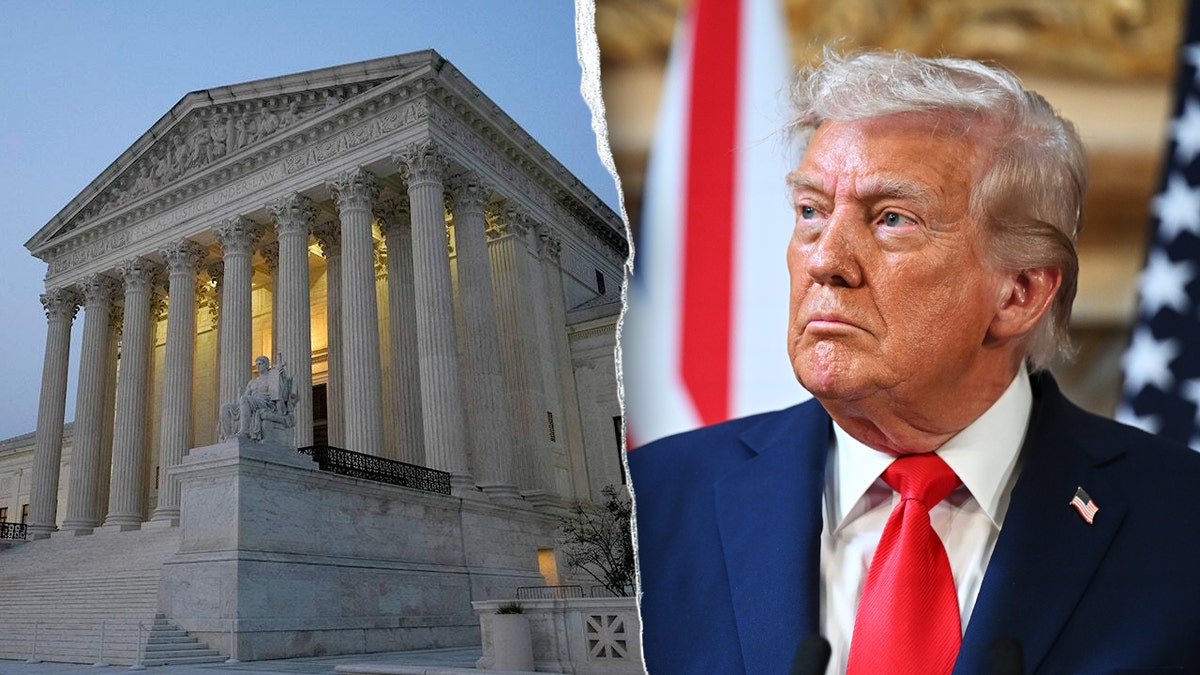
Money has a sound. In the old days, it was the heavy thud of a ledger slamming shut, or the dry slip of paper currency sliding across a mahogany counter. Today, money makes no sound at all. It is a ghost in the machine. It moves through fiber-optic cables buried deep beneath the ocean floor, flickering as binary code across screens in Manhattan, Zurich, and Singapore.
Yet, for all its digital invisibility, money retains an ancient, terrifying gravity. It bends laws. It buys futures. And occasionally, it tries to rewrite the architecture of democracy itself.
Consider what happens when a political dynasty crashes headlong into the wild west of modern finance.
The story begins not in the marble halls of the United States Capitol, but in the quiet hum of server rooms where fortunes are minted out of pure mathematics and raw belief. Cryptocurrency promised freedom from the old guards. It was supposed to be the great equalizer, a decentralized rebellion against central banks and political elites. Instead, it birthed a new aristocracy. These new kings do not wear crowns. They hold private keys, digital wallets, and regulatory waivers.
Enter the digital bank. Not just any bank, but an institution tethered directly to the political machinery of the Trump orbit.
When lawmakers on Capitol Hill looked at the blueprints for this enterprise, they did not see financial innovation. They saw a backdoor. They saw a bridge connecting the highest levels of executive power to the most volatile, least regulated asset class on earth.
"Brazen act of self-dealing."
That was how the accusation was hurled across the committee room. The words felt heavy, sharp, and entirely insufficient for the scale of what was actually happening. Politics is a theater of accusations, but this was different. This was about the fusion of statecraft and speculative capital. It was about the moment a political movement stops trying to capture the government and starts trying to become the clearinghouse.
Let us walk through the mechanics of how power actually secures its own future.
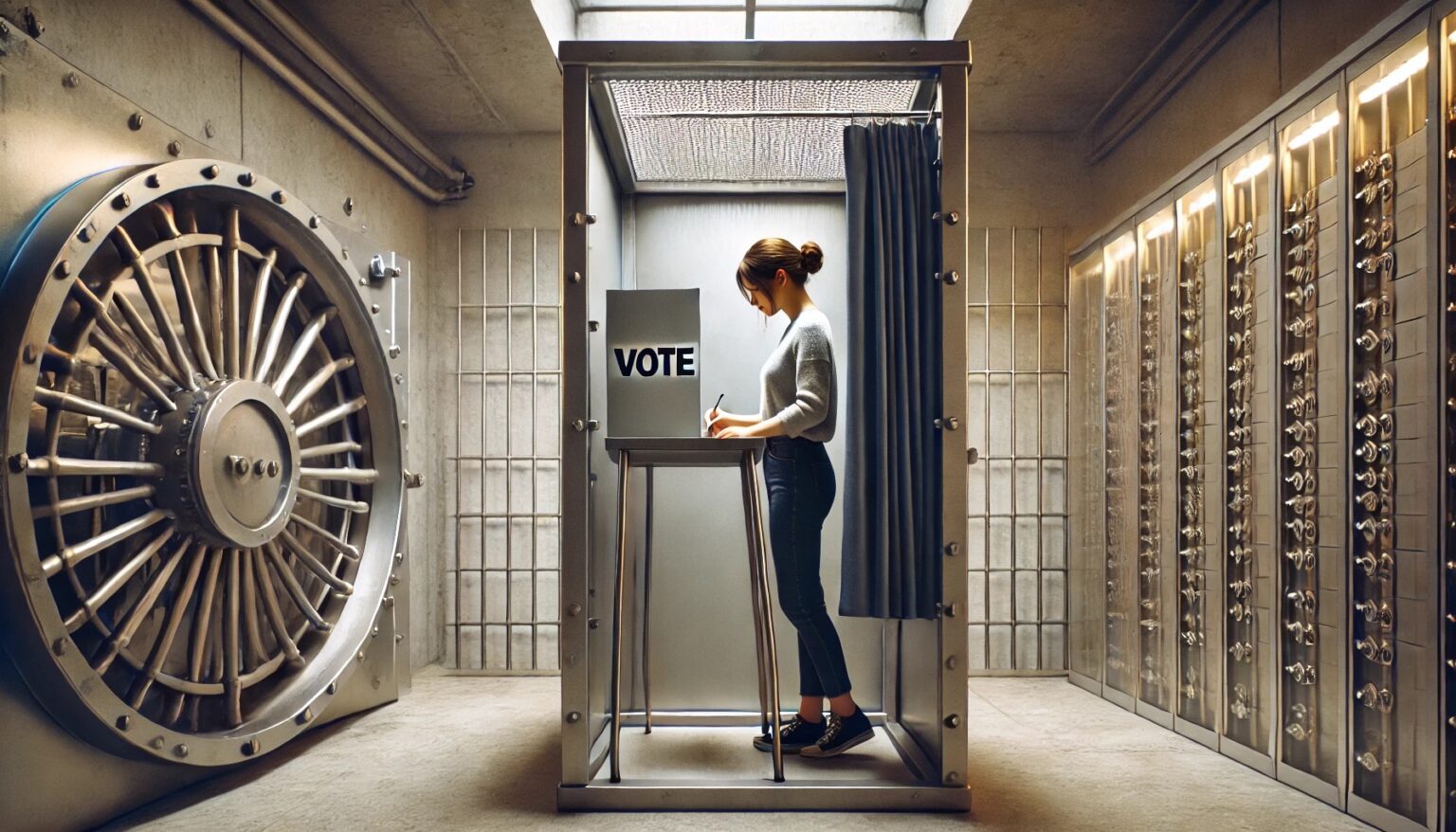
Imagine a private vault. Not a bank vault with heavy steel doors and time-lock mechanisms, but a legal vault constructed from complex charters, shell companies, and jurisdictional loopholes. Inside this vault sit billions of dollars in digital tokens, unregulated assets whose value can soar or plummet based on a single midnight social media post or a sudden change in federal policy.
Now, imagine holding the keys to both the vault and the legislative pen.
That is the nightmare scenario keeping congressional watchdogs awake at night. If a political figure or their immediate circle can charter a specialized bank designed to hold and move digital assets without the rigorous oversight slapped onto traditional Main Street lenders, the rules of the game change entirely. Campaign finance laws become porous. Foreign money transforms into cryptographic code, untraceable and instantaneous. The line between public service and private enrichment blurs until it vanishes altogether.
Democrats in Congress recognized this threat immediately. They mobilized to block the charter, framing it as an existential test for financial ethics.
They argued that public office is not a venture capital fund. They pointed to the obvious conflict of interest: a political ecosystem deeply intertwined with digital currencies attempting to build its own financial plumbing. If you own the pipes, you control the flow. If you control the flow, you dictate who drinks and who thirsts.
Yet, dismissing this simply as partisan bickering misses the deeper human tremor beneath the surface.
We live in an era of profound institutional exhaustion. People no longer trust the traditional banks that crashed the economy in 2008 and walked away with bonuses. They no longer trust politicians who promise reform while trading stocks based on classified briefings. Into that vacuum of trust stepped cryptocurrency, offering a seductive alternative: trust no one, trust only the math.
Except the math has owners.
The tragic irony of the digital asset revolution is that it sought to escape the corruption of centralized power, only to become the most potent tool for centralizing power yet invented. When a political machine builds a crypto bank, it is not rebelling against the system. It is upgrading the system. It is taking the old, corrupt game of buying influence and translating it into a language that cannot be frozen, subpoenaed, or easily understood by an overworked investigative reporter.
Watch the resistance unfold.
It is messy. It is partisan. It relies on dusty committee hearings and sternly worded letters that rarely carry the weight of actual prison sentences. But it is also the only firewall left standing.
When lawmakers demand a halt to these specialized charters, they are fighting for a principle that feels increasingly quaint: the separation of ledger and state. They are arguing that the people who write the laws of the land should not be the ones holding the deposit slips for the new digital economy.
The stakes go far beyond a single institution or a single election cycle. Every time a political faction attempts to merge its financial interests with the state's regulatory apparatus, the public loses a little more ground. Trust erodes not in a sudden, cataclysmic explosion, but through a thousand quiet compromises, signed in back rooms and executed via blockchain transactions that leave no paper trail for the historian to find.
We are standing at a historic crossroads.
One path leads toward an open society where financial institutions serve the public good under transparent, democratic oversight. The other path leads toward a neo-feudal digital order, where political dynasties command private ledgers, and the laws of the nation are just another variable to be hedged against in a volatile market.
The politicians trying to block this bank understand this reality. They know that once the vault door swings shut, it is nearly impossible to pick the lock.
The digital coin flips in the dark. It lands on heads for the few, and tails for the rest of us. And somewhere in Washington, the ledger remains open, waiting to see who will pay the final price.