The rain in Geneva doesn’t splash. It drifts. It hangs over the lake like a heavy, gray curtain, dampening the sound of footsteps on the cobblestones of the Old Town and blurring the sharp edges of the limestone bank facades. If you stand on the Rue du Rhône at three o'clock on a Tuesday afternoon, you will hear almost nothing. No shouting street vendors. No blaring car horns. Just the low, rhythmic hum of Mercedes sedans idling curbside and the soft click of leather-soled shoes disappearing through heavy oak doors.
This is the sound of absolute discretion. It is the acoustic signature of a city that has spent centuries mastering a single, highly lucrative art form: making the world’s wealth invisible.
For decades, the global narrative surrounding Swiss banking was built on a stereotype of numbered accounts, Nazi gold, and James Bond villains whispering passwords into brass grilles. But that version of history is dead. The truth of how money prospers here today is far quieter, far more institutional, and infinitely more resilient than a simple secret bank account.
To understand how this machinery operates, you have to look past the brass nameplates. You have to understand the people who guard the gates.
The Architecture of Whispers
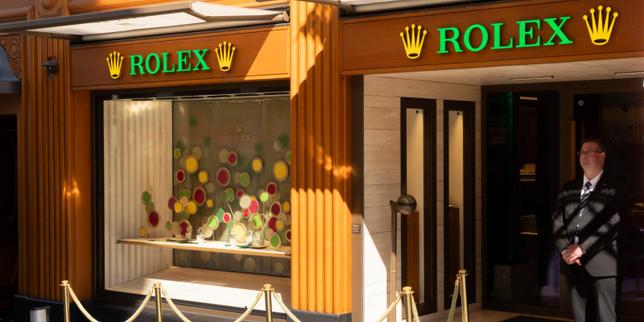
Consider a hypothetical wealth manager. Let’s call him Pierre. Pierre does not wear a flashy watch. His suit is bespoke, charcoal gray, tailored in a way that suggests comfort rather than opulence. He does not boast about his returns on investment. In fact, if you ask Pierre what he does for a living at a dinner party in Cologny, he will likely tell you he works in "asset preservation."
Preservation. It is a deliberate word choice. It implies defense. It suggests that out there, beyond the clean borders of Switzerland, a chaotic world is constantly trying to tear down what took generations to build.
Pierre’s clients are not cartoonish oligarchs hauling duffel bags of cash across the border. Those days ended when Switzerland bowed to international pressure and dismantled its legendary, strict bank secrecy laws under the Foreign Account Tax Compliance Act (FATCA) and the Common Reporting Standard (CRS). Today, automatic exchange of information means that if a French citizen puts a million euros in a Swiss bank, the French tax authority finds out about it.
The old critics cheered. They declared the death of the Swiss tax haven.
They were wrong.
Wealth didn't leave Geneva. It simply changed its clothes.
When the front door of absolute bank secrecy slammed shut, the architects of Swiss finance merely opened a series of side doors, tunnels, and private courtyards. Pierre’s job shifted from hiding money from governments to wrapping money in layers of legal, corporate, and structural complexity so dense that no bureaucratic investigator has the time or the resources to unravel it.
The Illusion of Transparency
Walk down to the lakefront. The water looks clear enough to drink, but if you drop a stone into the center, it sinks into a freezing, pitch-black abyss that reaches depths of over three hundred meters. Geneva’s financial ecosystem is exactly the same. The surface is pristine and fully compliant with international regulations. The depths are a different story.
The modern machinery of discretion relies on a triad: the holding company, the trust, and the private foundation.
Imagine a wealthy family in South America. They face political instability, currency devaluation, and the constant threat of kidnapping. To them, moving money to Geneva isn't about dodging taxes; it’s about survival. They don't open a bank account in their own name. Instead, Pierre helps them establish a trust in New Zealand, which owns a holding company in the British Virgin Islands, which in turn opens an investment account with a private bank in Geneva.
On paper, everything is legal. If a regulatory body asks the Swiss bank who owns the account, the bank points to the British Virgin Islands company. If the investigator goes to the British Virgin Islands, they find a nominee director—a lawyer paid a few hundred dollars a year to sign documents—who points to the New Zealand trust.
The trail grows cold. The bureaucratic clock ticks away.
This is how billions of dollars prosper in plain sight. It is a game of legal geography where Switzerland serves as the safe deposit box, while the keys are scattered across jurisdictions worldwide. The international community demanded transparency, so Geneva gave them a mountain of paperwork. It turns out that a mountain of paperwork is just as effective at hiding a treasure as a mountain of stone.
The Culture of the Long View
But legal structures are only half the story. The real strength of Geneva's financial fortress is cultural. It is an worldview forged over five hundred years of European upheaval.
When the Protestant Reformation swept through Europe in the sixteenth century, French Huguenots fled persecution and flooded into Geneva. They brought with them strict Calvinist work ethics, a deep-seated suspicion of state authority, and skills in watchmaking and banking. They learned early that survival required two things: precise execution and a closed mouth.
When the French Revolution raged just across the border, when Napoleon marched across Europe, when two World Wars tore the continent to pieces, Geneva remained an island of calm. The money of Europe’s aristocracy, and later its industrial titans, flowed here because the city offered something more valuable than high interest rates.
It offered predictability.
Step into the offices of a traditional private bank like Lombard Odier or Mirabaud, and you can feel the weight of this history. The floors are covered in thick, sound-absorbing carpets. The walls are lined with oil portraits of long-dead partners who guided the institution through cholera outbreaks and market crashes.
In New York or London, a twenty-four-year-old trader treats a portfolio like a video game, chasing rapid spikes and high-leverage wins. In Geneva, a client relationship is measured in generations. Pierre doesn’t just talk to his client; he talks to the client’s daughter, preparing her for the day she takes over the family foundation. He knows which grandchildren want to go to art school and which ones are reckless with cars.
This deep, familial integration creates a psychological bond that no digital neo-bank can replicate. It turns wealth management into an intimate partnership. When you trust a man with the financial future of your great-grandchildren, you don't care if his bank's mobile app is missing a few features. You care that he will be there when the world catches fire.
The Shadow Market
The modern reality of Geneva's wealth extends far beyond electronic bank ledgers. As global tax authorities have grown more sophisticated, the very definition of "money" has shifted in the city.
If you travel a few kilometers outside the city center, toward the industrial zone of Meyrin, you will find a massive, nondescript concrete complex surrounded by high fences, security cameras, and biometric access points. This is the Geneva Free Port.
Inside this fortress lies what is widely considered the greatest art museum on Earth—one that no member of the public will ever see.
An estimated one million works of art are stored within these climate-controlled walls. Masterpieces by Picasso, Monet, Warhol, and Da Vinci sit in wooden crates, stacked alongside crates of ancient Roman antiquities, thousands of bottles of Romanée-Conti wine, and literal tons of physical gold bullion.
The Free Port is a legal anomaly. It is technically a customs-free zone. As long as the goods remain inside the facility, they are not subject to Swiss customs duties or value-added taxes.
More importantly, they are untraceable by standard financial audits.
If a billionaire wants to move twenty million dollars out of a jurisdiction without triggering a bank transfer alert, they don't use wires. They buy a Rothko painting already sitting inside the Geneva Free Port from another billionaire. The transaction happens via a shell company registered in Panama. The money changes hands in New York or London, but the painting never moves an inch. It stays in its climate-controlled crate in Meyrin. Only the name on the digital deed changes.
The art has become currency. The Free Port has become the bank.
The Price of Permanent Peace
It is easy to look at this system with cynicism. Activists point to Geneva as a giant laundering machine that drains developing nations of tax revenue and shelters the gains of the global elite. They argue that the city's quiet prosperity is bought at the expense of public schools, hospitals, and roads in the countries where that wealth was originally generated.
There is truth in that. The moral ambiguity of Geneva is undeniable. The city operates on a principle of neutrality that borders on emotional detachment. It does not judge the origin of the storm; it merely offers an umbrella.
Yet, if you speak to those who use the system, the perspective changes. To the business owner who saw their factory nationalized overnight by a populist government, or the family that watched their life savings vanish during a hyperinflationary spiral, Geneva is not a moral failure. It is a sanctuary. It is the only place on earth where the rules don't change every time a new politician takes office.
The city balances on this tightrope. It adapts just enough to appease global regulators, implementing compliance departments that dwarf their investment teams, while preserving the core promise that has drawn wealth here since the days of the kings of France.
The Soft Hum Continues
As evening falls, the rain picks up over the Lac Léman. The lights of the grand hotels along the Quai du Mont-Blanc flicker on, casting long, fractured reflections across the dark water.
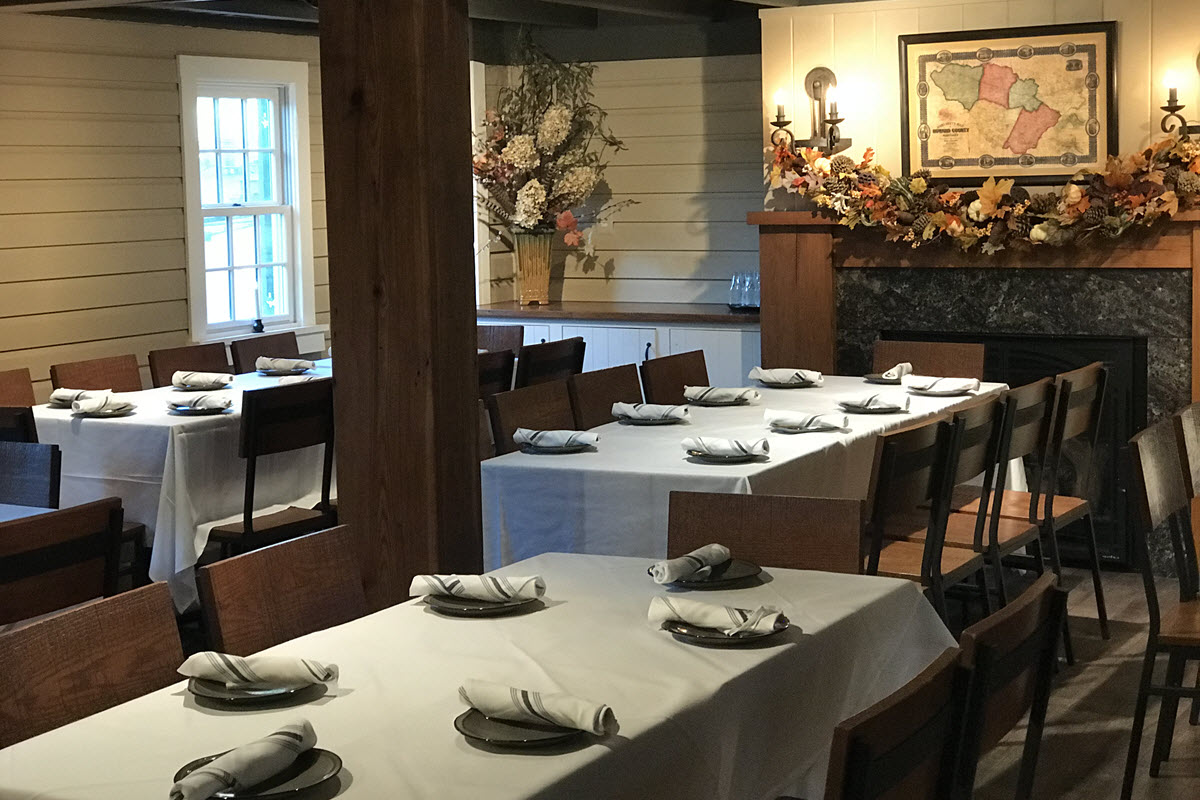
In the private dining rooms hidden behind the facades of the Rue de la Corraterie, the final meetings of the day are wrapping up. Soft murmurs exchange over plates of perch fillets and glasses of local Chasselas wine. No contracts are signed with theatrical flourishes. A simple nod of the head is enough.
The world outside this valley will continue to fracture. Currencies will fluctuate, political regimes will collapse, and new tax laws will be drafted in furious legislative sessions across the globe.
But here, behind the double-paned glass and the thick oak doors, the silence will remain intact. The machinery will adjust its gears, the lawyers will draft new structures, and the wealth of the world will continue to prosper, quiet and unseen, exactly as it always has.