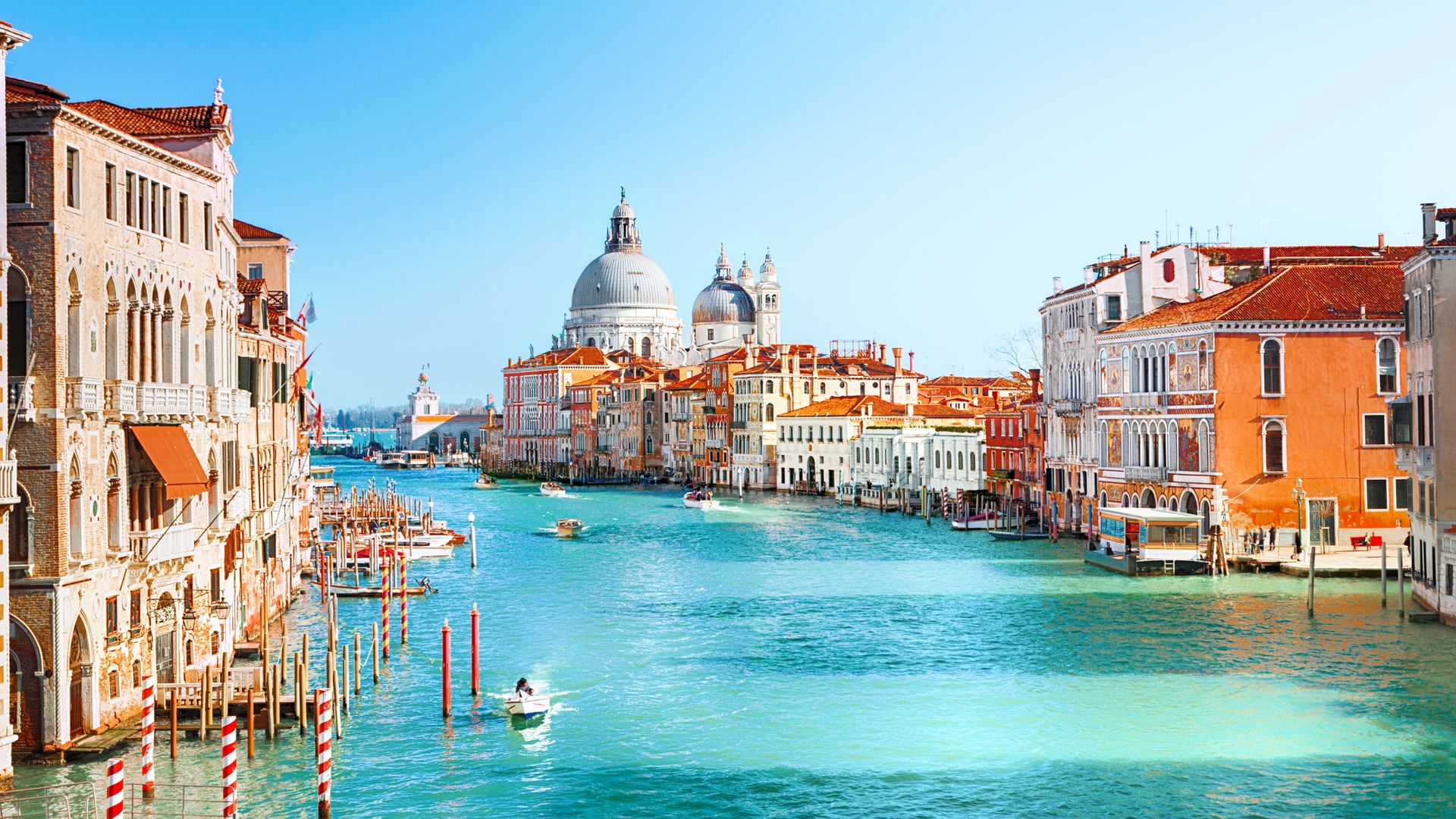
A British tourist lost his life after falling into a Venice canal, an inquest recently confirmed, shining a harsh light on the fatal infrastructure gaps in one of the world’s most visited cities. The tragedy, which occurred during what should have been a routine holiday, highlights a systemic failure in managing crowd safety along Italy’s historic waterways. While local authorities frequently blame personal distraction or alcohol, a deeper look into the city's architectural reality reveals that Venice’s iconic canals lack basic, modern safety interventions. This is not an isolated incident but part of a documented, recurring hazard that European tourism boards continually overlook.
The mechanics of a canal fall are deceptively lethal. When a person slips into a Venetian canal, they are not just entering deep water; they are plunging into a high-risk environment defined by stone vertical walls, intense boat wake, and a complete absence of grab rails or ladders.
The Hidden Architecture of Waterborne Traps
Walk through Venice and you will notice a distinct lack of barriers. Tourists capture photographs inches away from sudden drop-offs. Local municipalities argue that installing guardrails would ruin the historical aesthetic and UNESCO World Heritage status of the city.
This justification prioritizes visual preservation over human life.
The stone ledges, known as fondamente, become incredibly slick when humidity rises or when the tide recedes, leaving behind a layer of algae. A single misstep transforms a scenic walkway into a slide directly into the water. Once a person is in the canal, the physical environment works entirely against them.
Unlike a swimming pool or a modern harbor, historical canals do not feature recessed ladders or safety chains. The walls are smooth, slimy, and frequently vertical. If an individual is fully clothed, the weight of waterlogged fabric rapidly saps their energy. Hypothermia can set in even during warmer months due to the underground currents fed by the Adriatic Sea.
The Impact of Modern Maritime Traffic
The water itself is rarely calm. The sheer volume of motorized traffic—from water taxis (motoscafi) to public vaporettos and delivery barges—creates a continuous, chaotic wake.
- Refraction Waves: Waves hit the stone walls and bounce back, creating unpredictable turbulence that can easily submerge a struggling swimmer.
- Propeller Wash: The undercurrents generated by heavy diesel engines can pull a person downward, pinning them beneath boats or docks.
- Low Visibility: Heavy silt and pollution mean that if a victim sinks below the surface, rescue teams or bystanders cannot locate them without specialized equipment.
The Failure of Municipal Accountability
Whenever a drowning occurs, the public narrative follows a predictable script. Local police reports emphasize the victim’s behavior, noting whether they were looking at a smartphone, walking late at night, or consuming alcohol at a local bacaro. By shifting the blame to individual negligence, municipal leaders avoid addressing the structural deficits of the city.
This defense relies on a false dichotomy between historic preservation and public safety.
Modern engineering offers several solutions that do not compromise architectural integrity. Low-profile, dark-coated safety chains can be anchored just above the high-tide line, completely invisible to a tourist standing on the walkway but accessible to someone swimming for their life. Automated sensor systems can detect sudden water displacement in high-risk zones, alerting nearby water transport operators to cut their engines immediately.
Instead, the city invests heavily in tourist management tax systems and turnstiles designed to control crowd numbers, prioritizing revenue collection and logistics over basic physical security.
A Comparative Look at Urban Waterways
Other historic European cities manage these risks with far greater transparency. Amsterdam, which features an extensive canal network, sees dozens of canal falls annually. However, the Dutch capital has systematically mapped high-risk zones, installed hundreds of discreet safety ladders, and runs public awareness campaigns regarding the specific dangers of cold-water shock.
Venice, conversely, relies on the assumption that visitors possess an innate understanding of maritime hazards. This expectation is fundamentally flawed when dealing with millions of international travelers who have never navigated a city built entirely on water.
The Role of the Travel Industry
The global tourism apparatus bears significant responsibility for these recurring tragedies. Travel agencies, guidebooks, and social media influencers present Venice as a sanitized, fairy-tale theme park. They showcase Gondolas gliding through serene waters, completely omitting the reality of deep, fast-moving currents and industrial boat traffic.
This curated ignorance leaves travelers wholly unprepared. A tourist stepping out of a brightly lit restaurant into a pitch-black alleyway that terminates directly into a canal has no situational awareness of the drop-off.
The insurance sector is beginning to notice this systemic risk. Actuarial data suggests that claims related to injuries and fatalities in historic waterfront cities are rising, driven by dense crowding and aging infrastructure. If municipalities refuse to implement safety retrofits, the financial pressure of rising insurance premiums for local business operators might eventually force their hand.
The inquest into this latest British fatality should not be archived as a tragic misadventure or a simple slip. It stands as a direct indictment of an administrative strategy that values the pristine look of ancient stone over the lives of the people walking upon it.