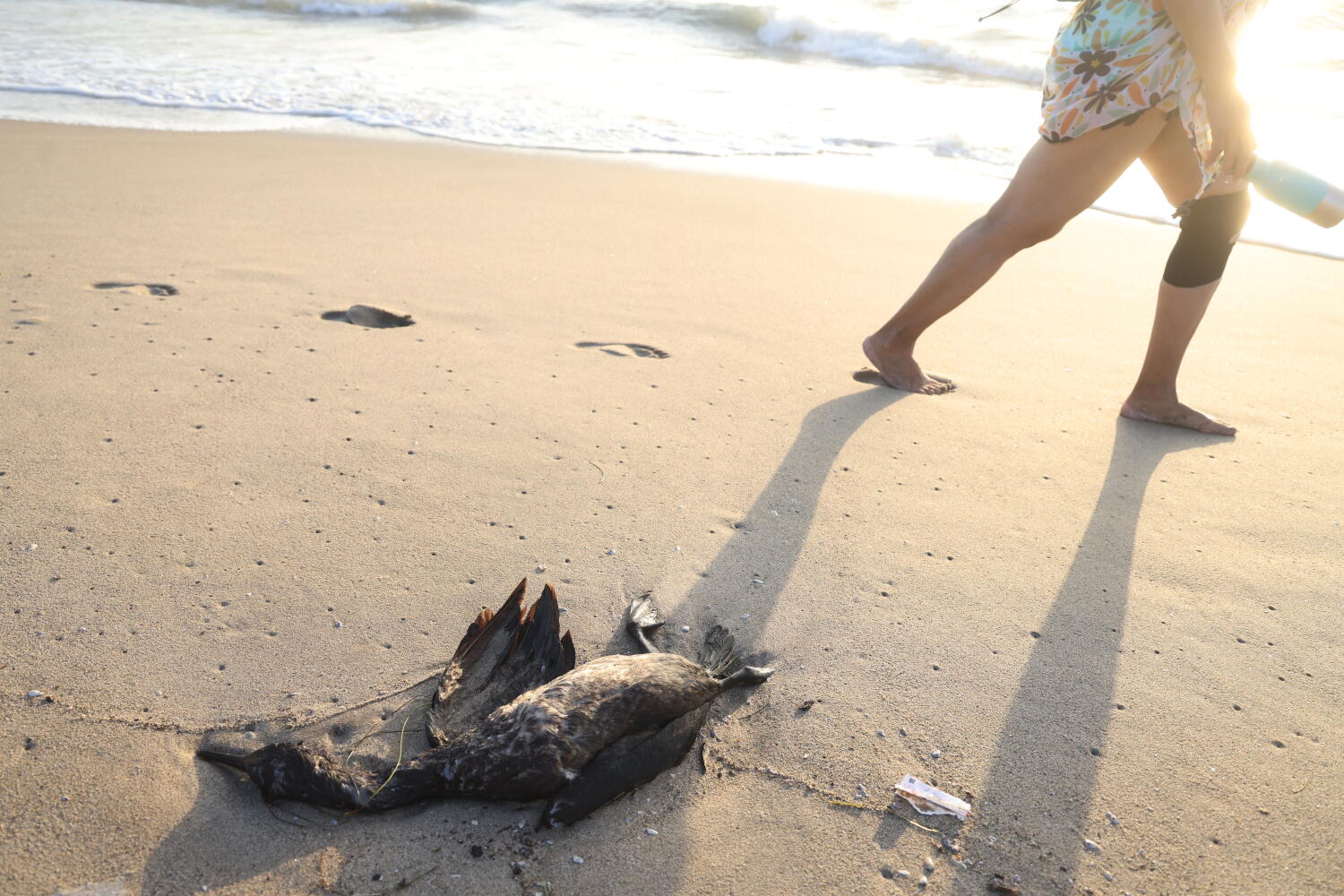
When the tideline along the Venetian lagoon begins to litter with carcasses, tourists usually look away, blaming the usual summer rot or municipal neglect. But local fishermen and marine biologists know better. A wave of dead seabirds washing ashore in Venice is never just a seasonal anomaly. It is a biological distress signal sent straight from an aquatic ecosystem pushed past its breaking point.
For decades, the narrative surrounding the Venetian lagoon has been dominated by the monumental architecture of the MOSE flood barrier system, rising mechanical gates designed to shield the historic city from rising Adriatic tides. Yet while politicians celebrate dry piazze during high water events, the microscopic and macroscopic life inside the basin suffers in silence. The mass mortality events affecting local cormorants, gulls, and migrating waterfowl expose a stark reality. Engineering dry streets does not equal ecological health. Recently making news in related news: Why 150 Years In Prison Is A Cop Out For Corporate Negligence.
The Anatomy of a Lagoon Collapse
Water stagnation remains the primary silent killer in the northern Adriatic. When meteorological conditions lock warm water inside the shallow basin, oxygen levels plummet. Venice is not a pristine natural bay; it is a heavily modified, industrialized transition zone choked by historical heavy metal deposits, agricultural runoff from the Po Valley, and untreated urban sewage surges during heavy rains.
When an algal bloom decays, it consumes dissolved oxygen with voracious efficiency. Fish suffocate in shallow channels, unable to escape to the open sea. Seabirds feeding opportunistically on these easy targets ingest concentrated biotoxins or starving, oil-slicked prey. The pathology reports rarely make front-page news, but the underlying causes point directly to cumulative human mismanagement. Additional insights regarding the matter are detailed by TIME.
Biotoxins and the Food Web Disconnect
The microscopic culprits often go unseen until the damage is done. Harmful algal blooms, exacerbated by nutrient pollution and rising water temperatures, release potent neurotoxins that bioaccumulate up the marine food chain. Small schooling fish eat toxic phytoplankton; seabirds consume the fish; the central nervous systems of the birds shut down within hours.
Witnesses on the islands of Burano and Torcello report finding birds disoriented, unable to fly, washing up in the salt marshes with empty stomachs. This points to sudden starvation induced by localized ecosystem crashes where schooling species have either migrated away or died off en masse. The traditional balance between urban Venice and its surrounding wetlands has frayed to the point of snapping.
Beyond the Postcard Facade
Visitors sipping espresso in Saint Mark's Square see a timeless monument of stone and water. They do not see the hypoxia mapping charts kept by university researchers in Padova and Venice. They do not calculate the tonnage of agricultural nitrates washing down from northern farming districts every spring.
Fixing this crisis requires looking past simple cleanup operations that merely clear the beaches before the morning vaporetto runs. Dredging channels to improve tidal exchange helps, but it treats symptoms rather than the root disease. Until watershed management across the entire Veneto region treats the lagoon as a living organism rather than a stagnant retention basin, the dead seabirds will keep arriving with the tide, warning us of what follows when an ecosystem finally suffocates.