The media ecosystem loves a predictable script. A journalist asks a sharp question to a powerful politician. The internet erupts into predictable polarization. Troll armies launch vicious, personal attacks. The journalist then pivots, frames themselves as a brave dissident fighting a tyrannical machine, and receives a standing ovation from their echo chamber.
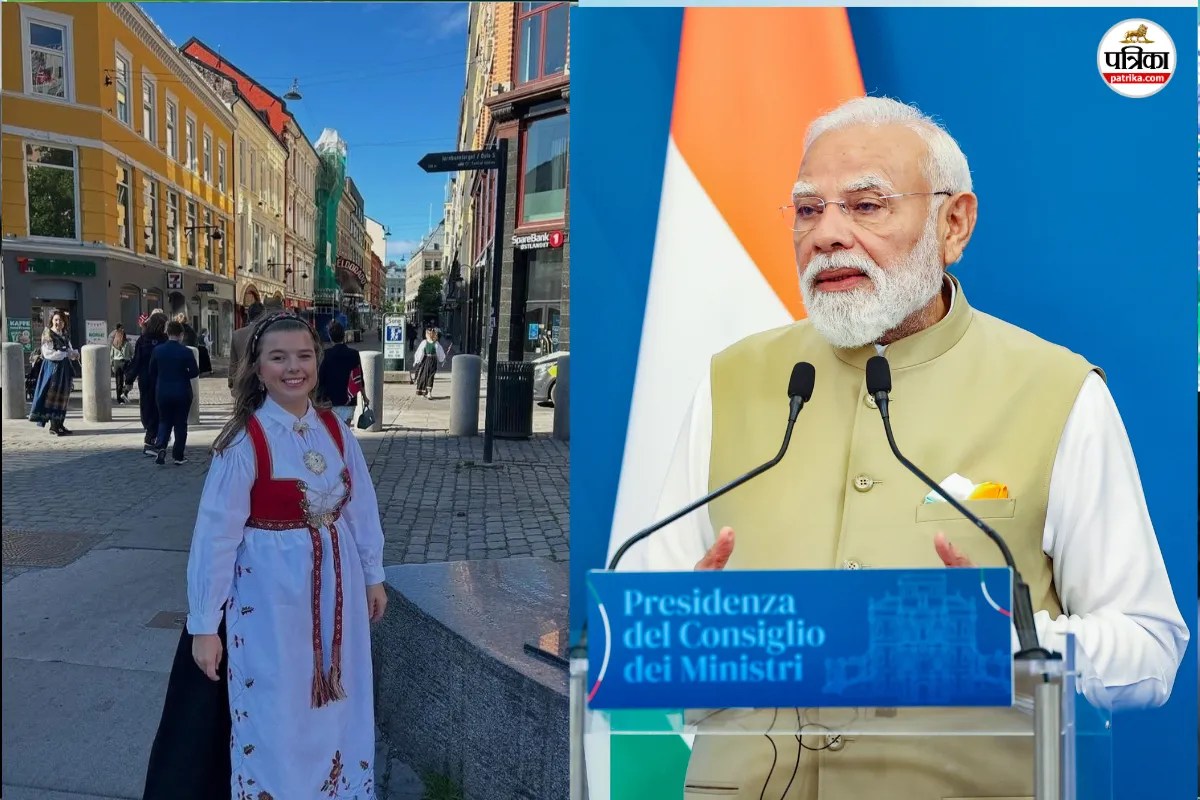
We saw this exact drama play out when headlines screamed about a prominent reporter defending themselves against online trolls after questioning Prime Minister Narendra Modi, declaring, "I am not a foreign spy."
It makes for great theater. It makes for terrible journalism.
The lazy consensus across mainstream media is that online trolling is an existential threat to press freedom, and that standing up to trolls is an act of profound bravery. This narrative is broken. Trolls are a mathematical certainty of the internet age, not a coordinated state-sponsored conspiracy designed to silence truth. By elevating anonymous internet comments to the level of national discourse, journalists are not defending the free press. They are engaging in a calculated strategy of brand building through manufactured martyrdom.
The Economy of Outrage
Let us look at the mechanics of modern digital media. Attention is the only currency that matters.
When a journalist faces backlash, they have two choices. They can ignore the noise and let their reporting stand on its own merits, or they can weaponize the backlash to build personal equity.
"When you fight with pigs, you both get dirty, but the pig likes it."
This old adage needs an update for the digital era: when a modern media figure fights with pigs, they stream it live, monetize the views, and write an op-ed about the mud.
The reality of holding power to account means accepting that a segment of the population will hate you for it. That is the job. It has always been the job. The moment a reporter transforms the narrative from the substance of the politician's answer to the unfairness of the public's reaction, the story dies. The politician is off the hook. The public focus shifts from policy to hurt feelings.
This is not a defense of the free press; it is a pivot to self-preservation and ego.
The Myth of the Neutral Questioner
The premise underlying the defense of these high-profile media interactions is that the journalist is a neutral arbiter of truth, completely devoid of bias, operating solely in the public interest. This is a fairy tale.
Every question asked in a high-stakes press conference is a product of editorial positioning. Journalists are public figures with audiences to satisfy, book deals to secure, and international profiles to maintain. To pretend that a viral confrontation with a head of state is purely about extracting information is naive. It is about creating a moment.
Consider the structural difference between hard reporting and performative questioning:
| Feature | Performative Journalism | Structural Reporting |
|---|---|---|
| Primary Goal | Creating a viral social media clip | Uncovering hidden data or systemic failure |
| Target Audience | Existing ideological echo chambers | The general public and policymakers |
| Aftermath Focus | Personal safety and troll responses | Policy changes and follow-up investigations |
| Risk Profile | High digital noise, high social rewards | Low digital noise, high legal/professional risk |
When the primary output of an interview is a week-long news cycle about the interviewer's bravery, the journalism has failed. The question becomes an algorithmic bait, designed to provoke the exact trolling that the journalist will later decry.
Dismantling the Premise of Press Freedom Under Siege
Walk into any legacy newsroom, and you will hear editors lamenting how online harassment is killing democracy. This is a profound misunderstanding of what actually threatens a free press.
An anonymous Twitter account calling a reporter a "foreign spy" is offensive, but it carries zero structural power. It cannot cut a newsroom's funding. It cannot pass defamation laws. It cannot pull government advertising. By conflating internet vitriol with systemic censorship, the media elite diminishes the real dangers faced by local reporters working in rural districts.
Those local reporters do not get to do victory laps on social media. They do not get international solidarity campaigns. They face real, material consequences—legal harassment, physical violence, and financial ruin—far away from the protective shield of elite digital networks.
Focusing the national conversation on how a celebrity anchor handles mean tweets is a luxury behavior. It insults the intelligence of the audience and ignores the actual mechanics of power.
The Strategic Failure of Engaging Trolls
Why do sophisticated media professionals continue to argue with accounts that have cartoon avatars and twelve followers? Because it is profitable.
Answering a troll with a fiery, self-righteous retort ensures that your name stays trending. It signals to your ideological allies that you are on the right side of the culture war. It transforms an ordinary professional task—asking a question—into an act of heroism.
But here is the downside that no one in the media elite wants to admit: it destroys public trust.
When the public sees a journalist constantly playing the victim, they stop viewing that journalist as an objective observer. They see an active combatant in a political mud-fight. Every subsequent piece of reporting from that individual is viewed through the lens of their personal grievances. The credibility of the entire institution is dragged down to the level of the comment section.
Stop Asking the Wrong Questions
The media regularly asks: How do we protect journalists from online toxicity?
This is the wrong question. The real question is: Why has journalism become so dependent on digital validation that it cannot function without crying foul?
If a reporter truly believes their work is vital to democracy, they must treat the public’s backlash as white noise. The obsession with responding to every accusation, with proving that one is "not a foreign spy," reveals a deep-seated insecurity. It shows a desperate need to be liked, or at least, to be viewed as a righteous victim.
True adversarial journalism requires a skin thick enough to withstand the predictable digital fallout. If you cannot handle the heat of the algorithm, get out of the kitchen.
The next time a journalist uses their platform to clap back at internet trolls, do not applaud their bravery. Recognize it for what it is: a sophisticated marketing strategy designed to convert public outrage into personal brand equity.
The job of a reporter is to write the news, not to become it. Turn off the notifications, ignore the comment section, and do the actual work.