The metro doors hiss shut at La Motte-Picquet–Grenelle, and suddenly, the frantic, postcard-perfect pulse of Paris skips a beat. If the 1st Arrondissement is a diamond necklace and the 18th is a jagged, beautiful piece of street art, the 15th is a well-worn corduroy jacket. It is comfortable. It is sturdy. It is, quite stubbornly, the most authentic version of a city that often feels like it is performing for an audience of millions.
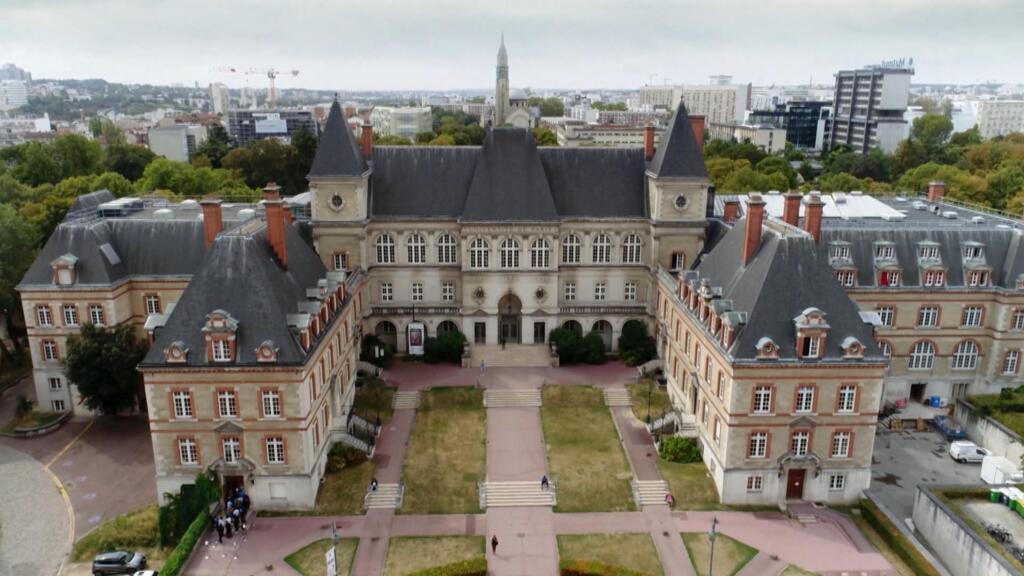
Most visitors treat the 15th like a backdrop. They glimpse it from the top of the Eiffel Tower—a sprawling expanse of zinc roofs stretching toward the southwest—and then promptly turn their backs to head toward the Louvre. They see the numbers: the largest population of any district, the most schools, the highest concentration of families. Statistics suggest a boring, suburban sprawl.
But statistics are cold. They don't smell the sourdough at Boulangerie Pichard. They don't feel the mist from the dancing fountains at Parc André Citroën. To understand the 15th, you have to stop looking for monuments and start looking for lives.
The Morning Ghost of Beaugrenelle
Consider a man we will call Marc. Marc has lived on the Rue de Lourmel for forty-two years. Every morning at 7:00 AM, he walks past the Beaugrenelle shopping center, a gleaming glass-and-steel cathedral of modern consumerism. To a tourist, Beaugrenelle is just a mall. To Marc, it is a marker of time. He remembers the old industrial wharves, the grit of the Citroën factories that once defined this bank of the Seine.
The 15th is a masterclass in the art of the pivot. It transitioned from a smoky industrial hub into a residential sanctuary without losing its soul. When the factories closed, the city didn't just pave them over with luxury condos. They built Parc André Citroën. It is a strange, wonderful place where a tethered hot air balloon rises into the sky, tethered like a giant white lung breathing for the neighborhood.
If you sit on the grass there on a Tuesday, you see the "invisible stakes" of Parisian life. You see the young mother from the nearby housing projects sharing a bench with an elderly woman whose apartment probably costs three million euros. The 15th is the Great Leveler. In the Marais, you are what you wear. In the 15th, you are simply a neighbor.
The Secret Life of Rue du Commerce
Ask a Parisian where to shop, and they might point you toward the glittering windows of the Rue de Rivoli. Ask a local where they actually buy their shoes, and they’ll whisper about the Rue du Commerce.
This street is a temporal anomaly. It feels like a village high street from 1950, despite the presence of modern brands. The buildings are low-slung. The sidewalks are narrow. There is a specific gravity here that forces you to slow down. You cannot rush down Rue du Commerce; the sheer volume of strollers and grandmothers with pull-carts prevents it.
The magic of this neighborhood lies in its refusal to be "trendy." Trendiness is a death sentence for authenticity. Because the 15th never tried to be cool, it never became a parody of itself. You can still find a cordonnier who will fix your boots for ten euros, or a café where the waiter remembers that you take your grand crème with exactly two sugars.
This is where the "residential" tag becomes a superpower. When a neighborhood belongs to its residents rather than its visitors, the quality of life remains high. The parks are cleaner. The bread is fresher. The noise is human—shouting children and clinking wine glasses—rather than the mechanical roar of tour buses.
The Vertical Experiment
Then, there is the Tour Montparnasse.
It sits on the edge of the 15th like a giant, charred thumb. Parisians famously hate it. There is an old joke that the view from the top of the tower is the most beautiful in Paris because it is the only place from which you cannot see the tower itself.
But there is a vulnerability in that ugliness. The tower represents a moment when Paris tried to be New York, realized its mistake, and then collectively decided to never do it again. It stands as a reminder of the city's protective instinct. Surrounding that monolith is a labyrinth of small, leafy streets like the Villa Santos-Dumont, where the sculptor Georges Brassens once lived.
Contrast the cold, vertical glass of the tower with the horizontal warmth of these hidden alleys. The 15th is full of these "villas"—private or semi-private passages where ivy crawls over ancient brick and the city's roar fades to a hum. To walk through them is to feel the weight of history, not as a museum exhibit, but as a living, breathing habitat.
The Weight of the Market
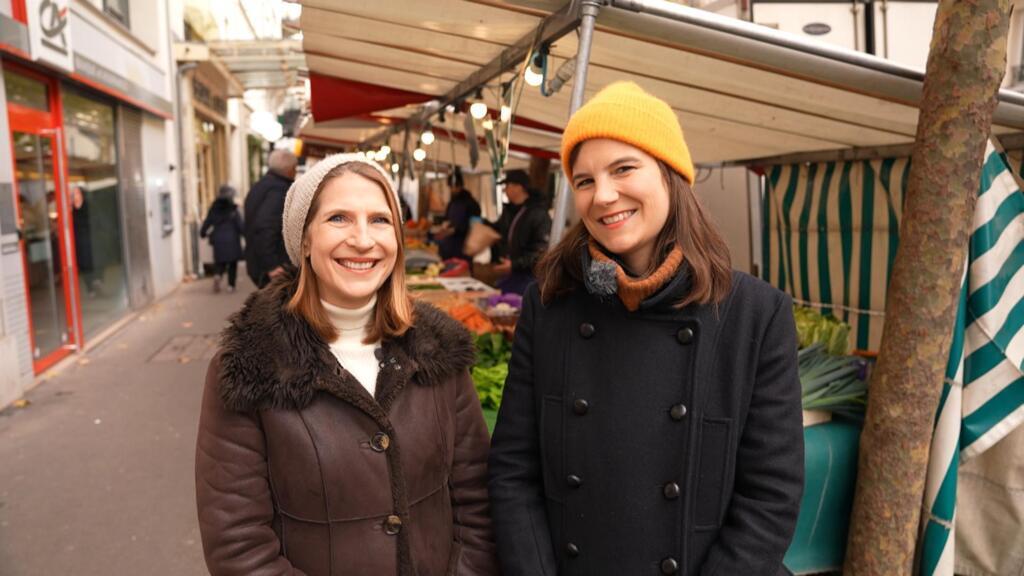
If you want to witness the soul of the 15th, you must go to the Marché Grenelle on a Sunday morning. It stretches out under the elevated tracks of the Metro Line 6. The trains rumble overhead, a rhythmic, metallic heartbeat that punctuates the shouting of the fishmongers.
"Regardez mes crevettes! Elles sont magnifiques!"
The air is thick with the smell of roasting chickens and sharp, aged Comté. This isn't a "farmers' market" in the curated, organic, expensive sense. It is a chaotic, essential exchange of goods.
Consider the logistics of a Sunday roast. In the 15th, food is a serious business. The relationship between the butcher and the customer is sacred. There is a trust there that a supermarket can never replicate. When the butcher tells you the veal is good today, he isn't trying to move inventory. He is protecting his reputation. He knows he will see you again next Sunday.
This cycle of repeated interaction is the glue that holds the 15th together. It creates a sense of accountability. In the more transient parts of Paris, you are a ghost. In the 15th, you are a data point in a very long story.
The High Line of the Left Bank
While New York’s High Line gets all the press, the 15th has the Petite Ceinture. This abandoned railway line circles the city, but the stretch in the 15th is particularly evocative. It is a "wild" space, where nature has been allowed to reclaim the iron and stone.
It represents the neighborhood's understated rebellion. In a city that is manicured to within an inch of its life, the Petite Ceinture is messy. It is a place for teenagers to hide, for lovers to walk without being seen, and for the local biodiversity to thrive.
Walking here feels like a secret. You are twenty feet above the street, looking into the back windows of Haussmannian apartments. You see the unvarnished reality of Parisian life: laundry drying on racks, overflowing bookshelves, the flickering blue light of a television. It is an intimate, voyeuristic privilege. It grounds the "Grandeur of France" in the "Reality of Tuesday Night."
The Quiet Anchor
The 15th Arrondissement is often criticized for being "bourgeois" or "quiet." These are usually insults thrown by people who live in the 10th and spend their weekends looking for a bar that doesn't have a line.
But quiet is a luxury.
In a world that is increasingly loud, fragmented, and performative, a place that values stability is a radical concept. The 15th doesn't need your Instagram likes. It doesn't need to be on a "Top 10 Places to See Before You Die" list. It is perfectly content being the place where people live, grow old, and buy their daily baguette.
The invisible stakes of the 15th are the stakes of home. It is the battle to keep a city livable for its own citizens. Every time a local bakery beats out a Starbucks, or a neighborhood park remains a park rather than a parking lot, the 15th wins a small, silent victory for the soul of Paris.
The sun begins to set over the Île aux Cygnes, the narrow man-made island that sits in the Seine between the 15th and 16th. There is a replica of the Statue of Liberty there, looking toward her big sister in New York. She is smaller, humbler, and far less crowded.
People jog past her. Someone is practicing the saxophone under the shade of a willow tree. The Eiffel Tower begins to sparkle in the distance, but here, under the trees, the light is softer. The 15th doesn't demand your attention. It simply waits for you to realize that everything you were looking for in Paris—the romance, the history, the flavor—was never in the monuments.
It was in the way the light hits the zinc roofs at 6:00 PM, and the way the neighborhood settles into itself, like an old friend leaning back in a chair, finally ready to tell you the truth.