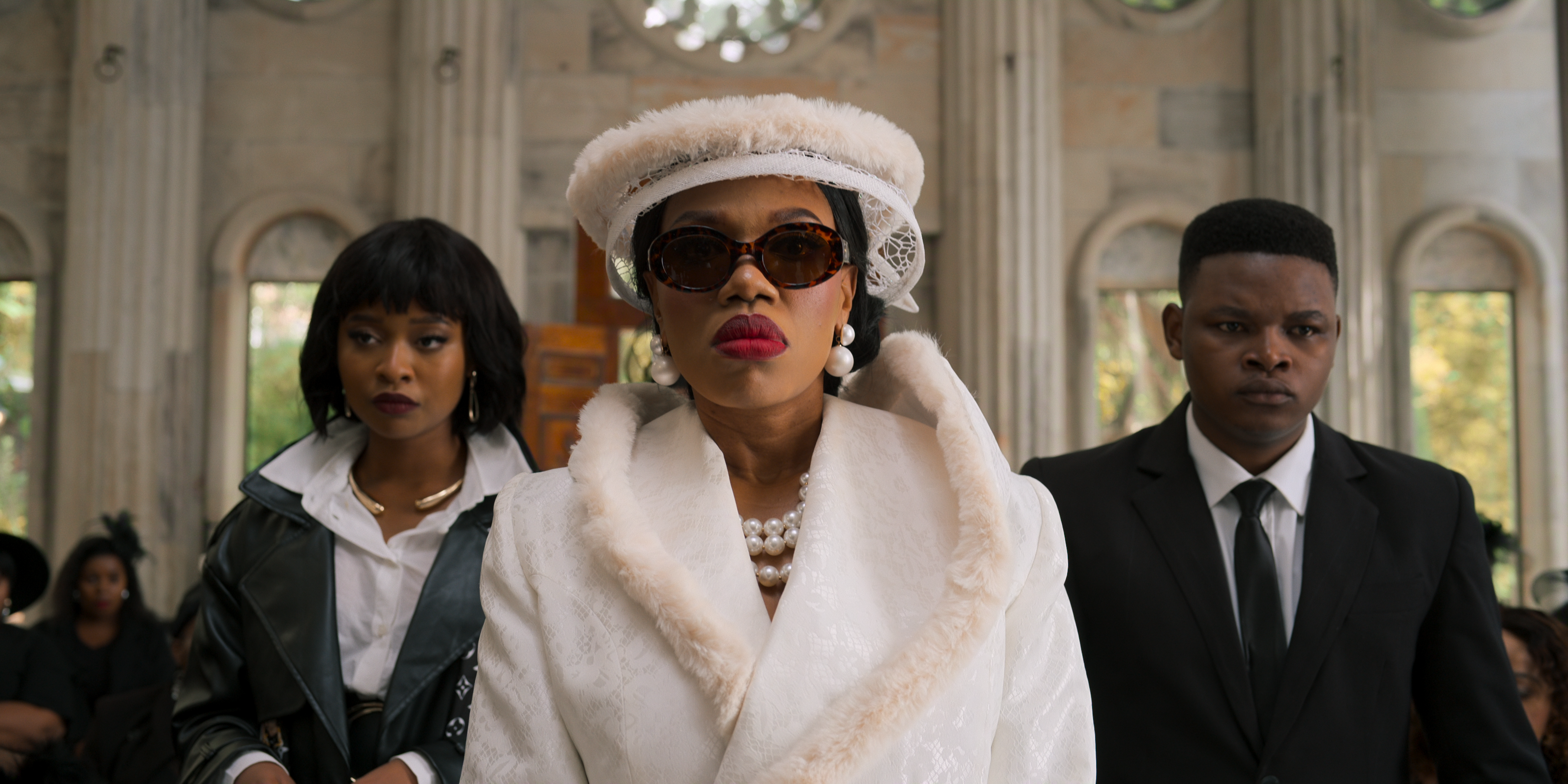
Young actors often struggle to find authentic points of connection with their roles. They read scripts, memorize lines, and study character beats, but something remains flat. The breakthrough usually happens when they step into the wardrobe room. Lately, performers are skipping the modern retail racks and turning directly to vintage heirlooms—specifically their grandmothers' closets—to build grounded, believable performances that resonate on stage and screen.
This isn't just about saving money on costumes. It's about tactile history. When an actress pulls on a worn cardigan knitted in the 1970s or fastens a vintage broach, she isn't just wearing clothes. She's carrying the weight, silhouette, and subtle physical constraints of another era. Costume design directly dictates actor movement, posture, and vocal delivery. For a deeper dive into similar topics, we recommend: this related article.
Why Vintage Clothing Alters Modern Performance Mechanics
Put a young actor in oversized modern loungewear, and their posture slumps into twenty-first-century habits. Put that same actor in a tailored 1950s wool blazer with subtle shoulder padding, and their chest opens automatically. Their spine straightens. Their center of gravity shifts.
Costume designers at institutions like the Yale School of Drama have long emphasized how historic garments force physical truth onto a performer. Original vintage pieces feature distinct construction techniques: For broader context on this issue, extensive analysis can also be found on Rolling Stone.
- Stiffer armholes that restrict high hand gestures and force deliberate arm movements
- Higher waistlines that alter natural stride length and sitting posture
- Heavy weight fabrics like genuine wool crepes, heavy silks, and thick cotton synthetics that sway differently under stage lighting
When actors raid family collections, they encounter genuine period items rather than polyester theater reproductions. A synthetic reproduction might look acceptable from the tenth row, but it moves like plastic. Real vintage fabrics hold genuine age, slight fading, and unique drapes that reflect authentic wear patterns.
The Psychology of Inherited Wardrobes on Stage
Actors use personal items to trigger psychological shifts. Method acting relies heavily on sensory anchors—smells, textures, and physical weights that ground a performer in a scene.
A grandmother's closet provides an immediate repository of personal narratives. The faint scent of cedar or vintage perfume, the weight of genuine glass buttons, and the unique hand-stitching along an adjusted hem instantly tell a story. An actress wearing her family's heritage pieces isn't performing in isolation; she is actively drawing from a real, lived timeline.
This approach creates a stark contrast to standard contemporary wardrobing. Modern fast fashion relies on synthetic blends designed for uniform appearance. Vintage garments carry irregularities. A hand-mended seam near an elbow reveals how the original owner moved, worked, or rested. These micro-details give performers concrete character history to react against.
Integrating Family Archives Into Professional Productions
Using personal vintage items requires clear coordination with production staff. Wardrobe departments handle fragile garments under specific care protocols to ensure historic textiles withstand repetitive stage performances or long filming days under high-heat lights.
- Inspect garment stress points. Vintage threads degrade over decades. Stress seams along armpits, zippers, and waists must be reinforced with modern cotton or silk thread before rehearsal use.
- Evaluate lighting interactions. Original dyes from the mid-twentieth century react differently to modern LED cinema lights compared to modern synthetic dyes. Perform camera or stage light tests early in production.
- Establish maintenance rules. Genuine vintage pieces often cannot handle standard dry cleaning chemicals or modern washing machines. Spot cleaning and steamed vodka sprays represent standard industry protocols for preserving delicate historical fabrics.
Actors looking to integrate personal family pieces into their character development should start by analyzing the script's physical demands. If a scene calls for aggressive movement or quick changes, fragile vintage heirlooms should stay on the display rack, while sturdy outerwear, coats, belts, and jewelry can safely transition to the set.
Start by auditing family textile collections for structured statement pieces. Focus on tailored jackets, structured handbags, and solid outerwear that hold their shape. Test how these pieces alter your physical movement in rehearsals long before wardrobe fitting days.