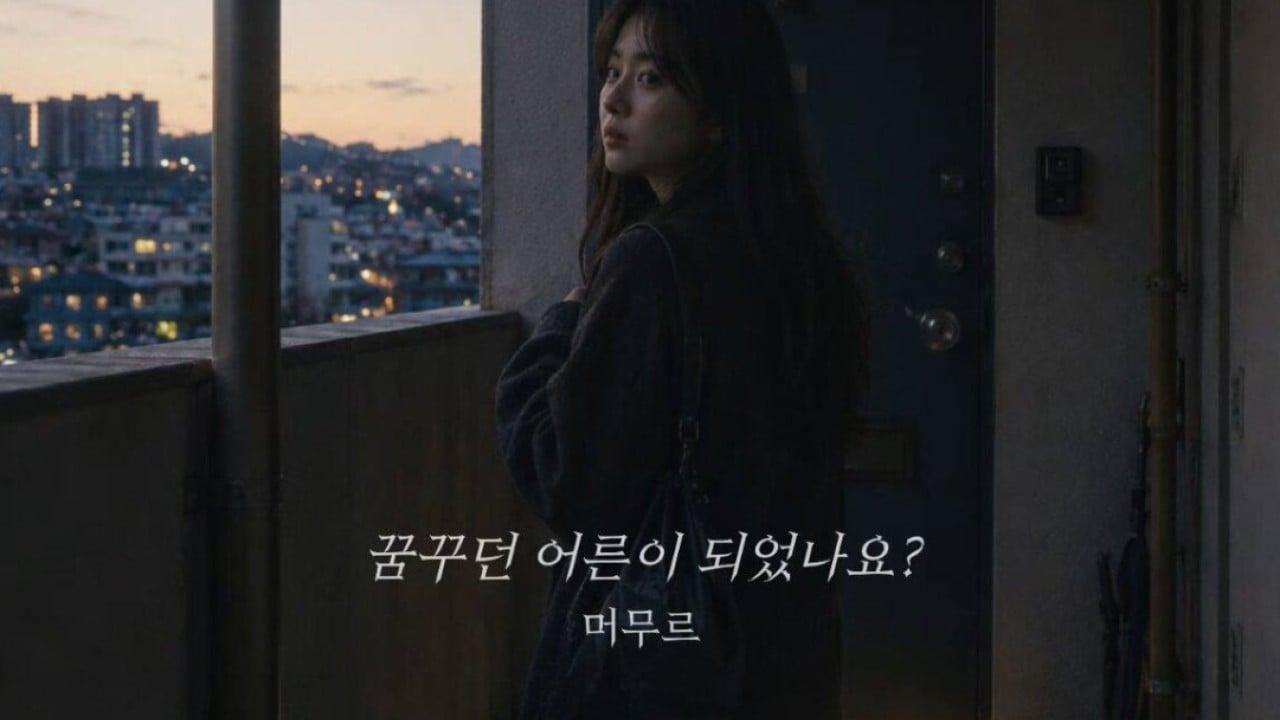
The "secret" isn't that a chart-topping K-pop singer isn't human. The secret is that you couldn't tell—and that says far more about how formulaic modern pop production has become than it does about artificial intelligence or CGI.
Every time a non-human act climbs a music chart or trends on social feeds, the predictable panic begins. Headlines gasp about synthetic singers stealing jobs from flesh-and-blood vocalists. Commentators treat non-human performers like an invasion from outer space, as if a digital avatar somehow bypassed a sacred human bond that previously existed in every top-40 track.
That framing is lazy. Worse, it gets the mechanics of K-pop backwards.
K-pop has never been a pure, unfiltered expression of a lone songwriter bleeding onto a four-track recorder in a basement. It is a tightly engineered entertainment system built on precision choreography, multi-writer production rooms, stylized visual world-building, high-concept lore, and relentless fan engagement. When a virtual idol tops a chart or draws a crowd, people act shocked that synthetic polish can win attention. Why wouldn't it? For years, parts of mainstream pop have leaned heavily on pitch correction, layered vocal comps, hyper-curated aesthetics, and algorithmic hooks. If a human vocal performance is already stitched together from dozens of takes and processed until every micro-flaw is sanded smooth, a non-human voice doesn't look like a radical rupture. It looks like the logical next step on an assembly line that was already halfway automated.
The Wrong Question Everyone Keeps Asking
Most coverage around synthetic or virtual chart acts circles the same tired questions. Are AI singers taking over the charts? Can a digital artist feel real emotion? Is this the end of human musicians?
Those questions miss the point. A chart entry measures attention, distribution, and fan mobilization—not existential authenticity. Charting a song in South Korea or anywhere else requires timing, hook density, platform momentum, visual identity, and a reason for listeners to replay and share. A non-human act that clears those hurdles isn't proving that humans are obsolete. It is proving that attention is won through craft, packaging, and emotional payoff—and that hiding behind "I'm a real person with a backstory" isn't a free pass for boring music.
People also ask whether audiences can truly connect with a singer who doesn't bleed, age, or go off-script. The honest answer is blunt: yes, up to a point, because human connection in pop is heavily mediated anyway. Most fans never meet a chart star in person. What they experience is curated media—music videos, livestreams, interviews, stylized personas, and shared community rituals. A virtual act strips away the physical body and leans straight into the persona and production. Sometimes that feels hollow. Sometimes it feels sharp, theatrical, and strangely intimate. Pretending audiences are incapable of investing in a non-human character ignores decades of animation, gaming, and fiction where people care deeply about characters who do not exist in physical space.
Precision vs. Friction
To understand where non-human singers actually win—and where they hit a wall—we need to separate two concepts that get mashed together in hot takes: vocal synthesis/CGI performance and artistic agency.
Vocal synthesis and CGI rendering are production and presentation tools. They control timbre, pitch, timing, visual appearance, and stage movement with high repeatability. A virtual singer doesn't blow out their vocal cords before a showcase or show up exhausted after a twelve-hour flight.
Artistic agency is different. It is the creative direction, taste, lived friction, and point of view behind the work. Even when a singer is virtual or AI-assisted, humans are still writing lyrics, shaping arrangements, directing visuals, approving mixes, and deciding what gets released. Calling a virtual act "purely non-human" is sleight of hand. Behind the avatar is a team making human choices—or failing to make bold ones.
When non-human acts succeed, it is rarely because a machine pressed a "make hit" button and walked away. It happens when human creators pair sharp pop instincts with a visual or conceptual hook that feels fresh rather than like a cheap gimmick. When they fail, it is because the novelty wears off in thirty seconds and the song underneath can't stand on its own.
What Years in the Trenches Actually Teach You
I have watched teams burn serious budgets chasing novelty while ignoring fundamentals. I've seen companies blow millions on flashy visuals, elaborate lore bibles, and state-of-the-art rendering pipelines for a virtual act whose lead single sounded like a rejected demo from three years ago. Three weeks after launch, nobody cared. The render farm kept humming; the listeners moved on.
I have also watched scrappy human artists with zero budget and a rough vocal take build rabid loyalty because they sounded like they had something real at stake. You cannot fake urgency with a shader.
At the same time, writing off every non-human chart act as "soulless slop" is a rookie mistake. Dismissing a format just because it threatens your aesthetic preferences is how insiders blind themselves to shifts in listener habits. Younger listeners who grew up inside games, livestreams, and internet subcultures often treat character-driven media and synthetic sound design with far less purism than older critics do. They care whether the track slaps, whether the visual world is cool, and whether the community around it feels alive. If the music hits, a lot of listeners don't care whether the face on the cover has a pulse.
Consider a thought experiment. Imagine a scenario where a major label releases two nearly identical bubblegum-pop tracks on the same Friday. Track A is sung by a polished human vocalist with a standard media-trained rollout. Track B is fronted by a sleek virtual idol with sharp choreography, tight lore, and a punchier beat. If Track B wins more streams, the lesson isn't that humanity died on a Friday afternoon. The lesson is that Track B delivered a better entertainment package for that specific audience.
The Real Flaws of the Non-Human Route
Being contrarian doesn't mean pretending non-human pop has no weaknesses. It has major ones, and ignoring them is just another kind of hype.
First, novelty decays fast. The first time a non-human singer charts, people talk about the concept. By the fifth or tenth time, the concept is wallpaper. After the novelty fades, you are left with the hardest test in music: writing great songs and building a compelling identity year after year.
Second, unscripted vulnerability is hard to fake. Some of the most electric moments in live music and pop culture happen when things go slightly sideways—a voice cracks with real emotion, a performer laughs mid-verse, an artist changes direction after a personal crisis. Virtual acts can simulate quirks, sure, but simulated spontaneity has a ceiling. Once fans sense a script behind every spontaneous moment, trust erodes.
Third, legal, ethical, and credit murkiness creates drag. Whenever voice models, likenesses, or generative tools enter the pipeline, questions around training data, compensation, performer rights, and disclosure follow closely. Even when a project is built cleanly, suspicion sticks to the category.
How to Actually Play This Shift
If you are an artist, producer, marketer, or label executive looking at chart-topping non-human acts, stop panicking and stop worshipping the gimmick. Do something sharper.
- Audit your own predictability first. If a synthetic voice and clean production can rival your track's hook density and polish, your problem isn't technology. Your problem is playing it too safe. Add human texture, dynamic phrasing, and real point of view that a generic template can't easily mimic.
- Treat character and world-building as serious craft, not filler. Virtual acts succeed when their visual world and narrative feel cohesive rather than tacked on. Human artists can borrow that discipline without becoming cartoons—sharpening their visual language, storytelling, and fan touchpoints instead of treating rollout assets as an afterthought.
- Stop confusing medium with merit. Don't automatically praise a virtual singer for being "the future" if the hook is weak. Don't automatically trash a virtual singer for being "fake" if the arrangement is tight and the track moves people. Judge the work on what it actually achieves.
- Keep creative ownership and credit lines crystal clear. Whether you use human session singers, vocal synthesis, CGI, or hybrid workflows, clarity builds credibility and protects you from avoidable backlash.
That is the real takeaway from a non-human singer climbing the charts. A chart topper without a pulse doesn't kill human music. It puts human musicians on notice: if your song needs a heartbeat just to be interesting, you might not be trying hard enough.