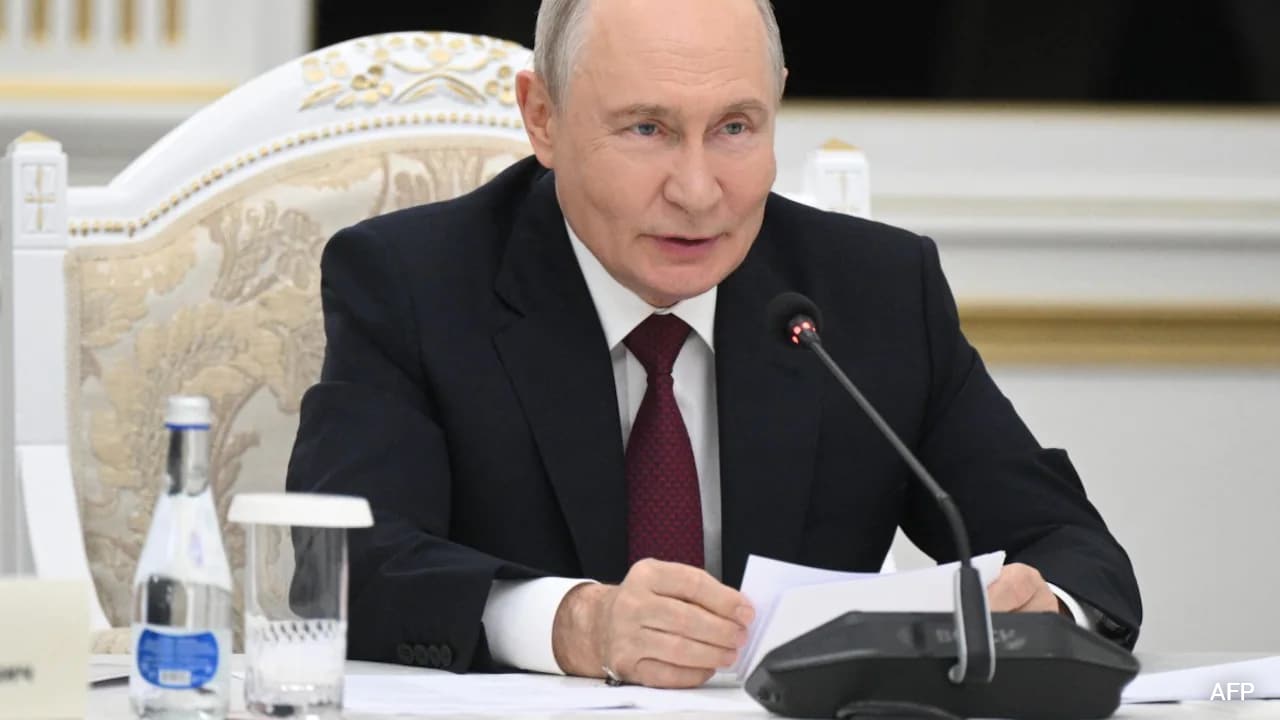
Moscow isn't backing down. Vladimir Putin has made it crystal clear that Russia holds the upper hand on the battlefield, signaling zero interest in peace talks with what he labels as terrorists. If you are waiting for a diplomatic breakthrough, you're looking in the wrong direction. The Kremlin views the current military trajectory as irreversible.
The messaging coming out of Russian state media and official diplomatic channels has hardened. Western capitals keep pushing for a negotiated settlement. Putin flatly rejects the premise. He doesn't see a stalemate. He sees momentum.
The Battlefield Reality on the Ground
Military analysts spend hours arguing over troop counts and artillery shells. But the strategic picture comes down to staying power and resource management. Russia adapted its economy to a wartime footing months ago. Sanctions failed to trigger the immediate collapse Western officials predicted. Instead, domestic defense production ramped up.
You can't negotiate from a position of delusion. Moscow believes time works in its favor. Western political will is fractured. Elections loom in multiple key democratic nations. Aid packages stall in legislative bodies. Putin watches these political delays and reads them as strategic weakness. Why compromise when your opponent is arguing over funding bills?
Rejecting Diplomacy and Labeling Adversaries
Calling opponents "terrorists" isn't just rhetorical bluster. It changes the legal and political framework for how a government treats an adversary. It closes the door on compromise.
When leaders frame a conflict in absolute terms, peace becomes a dirty word. You don't negotiate with existential threats. You eliminate them or outlast them. This stance plays well to a domestic audience primed by state television to believe the nation faces an existential fight for survival against outside aggressors.
Diplomacy requires two sides willing to make concessions. Right now, neither Moscow nor Kyiv shares a overlapping vision of what a compromise looks like. Kyiv demands a return to internationally recognized borders. Moscow treats captured territory as non-negotiable reality. Those two positions occupy separate universes.
Economic Resilience and Supply Lines
The sanctions regime inflicted pain, but it didn't kill the patient. Moscow redirected oil and gas exports eastward. Trade corridors through Central Asia and the Middle East keep goods flowing. Microchips and military components still find their way into Russian factories through third-party intermediaries.
The defense industrial base hums around the clock. Shifts run twenty-four hours a day in Siberian manufacturing hubs. This domestic mobilization contrasts sharply with procurement bottlenecks in Western defense industries, where building complex systems takes years rather than months.
What Comes Next for Global Security
Ignoring what Putin says is a tactical mistake. His public pronouncements usually signal actual policy directions. If the Kremlin believes it is winning, expect military pressure to increase rather than subside.
Watch the diplomatic maneuvers behind closed doors in Beijing, New Delhi, and various capitals across the Global South. Those nations hold the economic leverage that keeps Moscow afloat. Until those relationships fracture, the battlefield logic will continue to dictate terms. The window for a negotiated peace remains firmly shut.