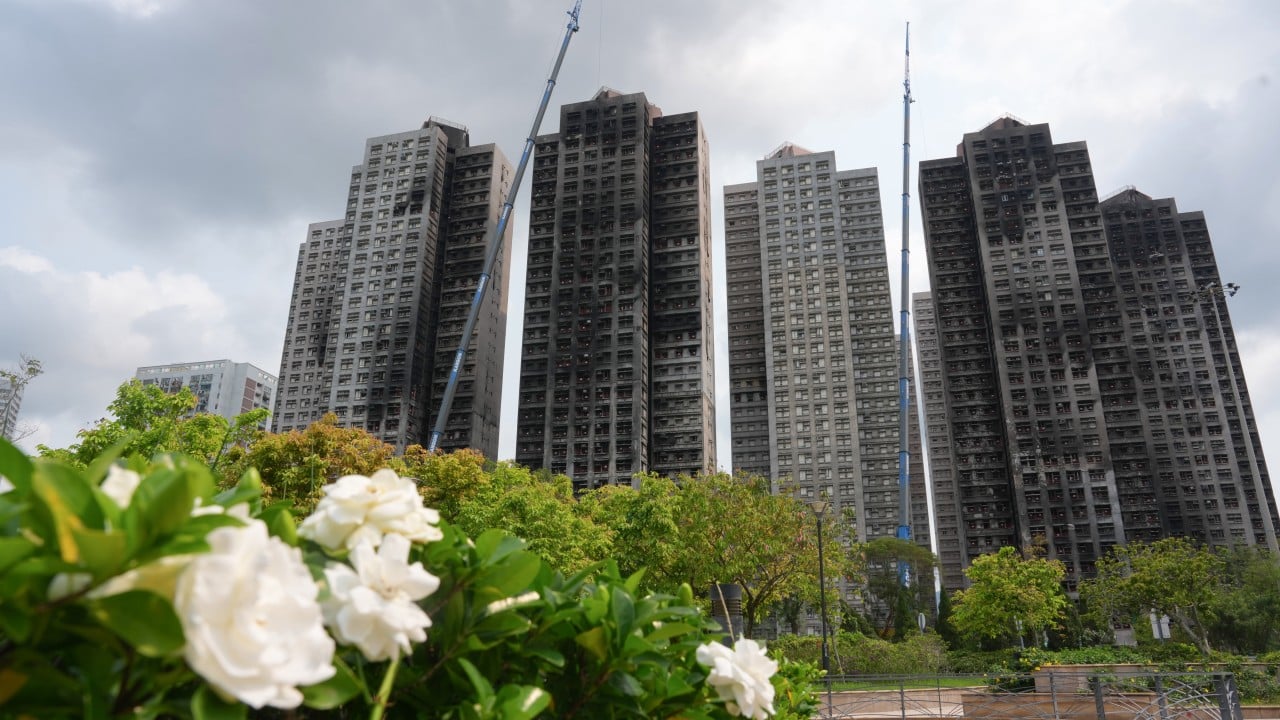
The recent safety probe at Wang Fuk Court in Tai Po reveals a terrifying reality about how bureaucracy can compromise lives. It isn't just about a missed inspection. It's about a total breakdown in communication between the Housing Department and the contractors who are supposed to keep these buildings standing. When guidelines change, people should know instantly. Instead, we saw a delay that left residents at risk while officials pointed fingers at "late notices."
If you live in a public housing estate, you assume the elevators won't drop and the concrete won't crumble. You trust the system. But the investigation into the Tai Po incident shows that the system is currently held together by digital paper trails that frequently go missing. We're talking about essential safety checks that were simply skipped because someone didn't check their inbox or a memo sat on a desk for too long. It's frustrating and, honestly, a bit pathetic.
The Messy Reality of the Wang Fuk Court Investigation
The core of the issue at Wang Fuk Court centers on a series of mandatory safety inspections that were supposed to happen under updated government protocols. These weren't suggestions. They were requirements. Yet, the contractors responsible for the site claimed they weren't aware the rules had changed. This "late notice" excuse is the oldest trick in the book. It shifts the blame from the person doing the work to the person sending the email.
During the probe, it came out that while the Housing Department had drafted new, stricter guidelines for building maintenance, the actual implementation at the ground level was a disaster. Contractors at Wang Fuk Court continued to use outdated checklists. They ignored new stress-test requirements for older blocks. Why? Because the notification reached them weeks after it was supposed to be active. That's a massive window for a structural failure to occur.
Safety isn't something you can "get around to" next month. In a high-density area like Tai Po, the margin for error is zero. When you have thousands of people living in a single cluster of towers, a missed check on a gas line or a structural beam is a potential catastrophe. The probe highlighted that these gaps weren't isolated incidents. They represent a systemic failure in how information flows from the top of the Housing Authority down to the boots on the ground.
How the Communication Breakdown Happened
Most people think government departments are these well-oiled machines. They aren't. They're often a collection of disconnected offices using different software and communication styles. In the case of the Tai Po probe, the "late notice" wasn't just a technical glitch. It was a failure of leadership.
The guidelines were updated to address specific vulnerabilities found in aging estates across the New Territories. These included better monitoring of external wall tiles and more frequent inspections of the fire suppression systems. But the memo explaining these changes was sent through a traditional administrative channel that doesn't prioritize urgent safety updates. It’s essentially the equivalent of sending a "house is on fire" message via a postcard.
Contractors didn't help either. A responsible firm would stay on top of industry standards and government gazettes. Instead, the firms involved at Wang Fuk Court waited to be spoon-fed the info. They kept their heads down and did the bare minimum. This creates a culture of "compliance by accident" rather than "safety by design." It’s a dangerous way to run a city.
The Problem with Outsourcing Public Safety
We need to talk about the trend of outsourcing maintenance to the lowest bidder. When the government hires external contractors, they're looking for efficiency and cost-savings. What they often get is a company that cuts corners to protect its profit margins.
- Short-staffing: Many contractors don't have enough qualified engineers to handle the volume of checks required by the new guidelines.
- Lack of Training: New rules require new skills. If the contractor doesn't train their staff, the guidelines are just words on a page.
- Paperwork Fatigue: There’s so much red tape that actual physical inspections often take a backseat to filling out forms.
At Wang Fuk Court, the intersection of these three issues created a perfect storm. The engineers were overwhelmed, they weren't briefed on the new standards, and they were more focused on finishing the day's paperwork than actually looking for cracks in the foundation.
Why Tai Po Residents Should Be Angry
If you're paying rent or management fees, you're paying for safety. You aren't paying for excuses about "late notices." The residents of Wang Fuk Court were effectively treated as data points in a failed experiment. For weeks, they lived in a building that hadn't been properly vetted against the latest safety benchmarks.
The local community in Tai Po has every right to demand more than just a "probe." Probes are what the government does when they want to look busy without actually changing anything. We need a fundamental shift in how these contracts are managed. There should be a real-time digital dashboard where residents can see exactly when their building was last inspected and what the results were. Transparency is the only thing that kills bureaucracy.
What Needs to Change Right Now
The Housing Authority can't just apologize and move on. They need to implement a "fail-safe" communication protocol. If a safety guideline changes, every contractor should have to digitally acknowledge the change within 24 hours or face an immediate suspension of their contract. No more excuses about emails getting lost in the spam folder.
Furthermore, we need independent audits. You can't have the same people who missed the checks being the ones to "investigate" why they missed them. That's like letting a student grade their own exam. We need third-party engineering firms to swoop into estates like Wang Fuk Court and perform unannounced spot checks. If the contractor is found to be using old guidelines, they should be blacklisted from government work permanently.
Taking Control of Your Own Building Safety
Don't wait for the next probe to find out if your home is safe. If you live in a public or subsidized housing estate in Tai Po, you have tools at your disposal.
First, get involved with your Residents' Association. These groups have the power to demand meetings with the Housing Department. Ask for the specific dates of the last three structural inspections. Don't accept vague answers. Ask for the "Form 22" or the relevant inspection certificates.
Second, report everything. If you see a crack in the stairwell or a lift that’s acting jumpy, don't just walk past it. Use the official apps, call the hotline, and keep a log of your reports. If the government fails to act, you have a paper trail that proves they were notified. This puts the liability squarely on them, which is often the only thing that gets them moving.
The Wang Fuk Court incident is a warning shot. It showed us that the gap between "policy" and "reality" is wide enough for people to get hurt. We can't afford to let that gap stay open. Demand accountability, keep your eyes open, and don't let a "late notice" be the reason your safety is compromised.