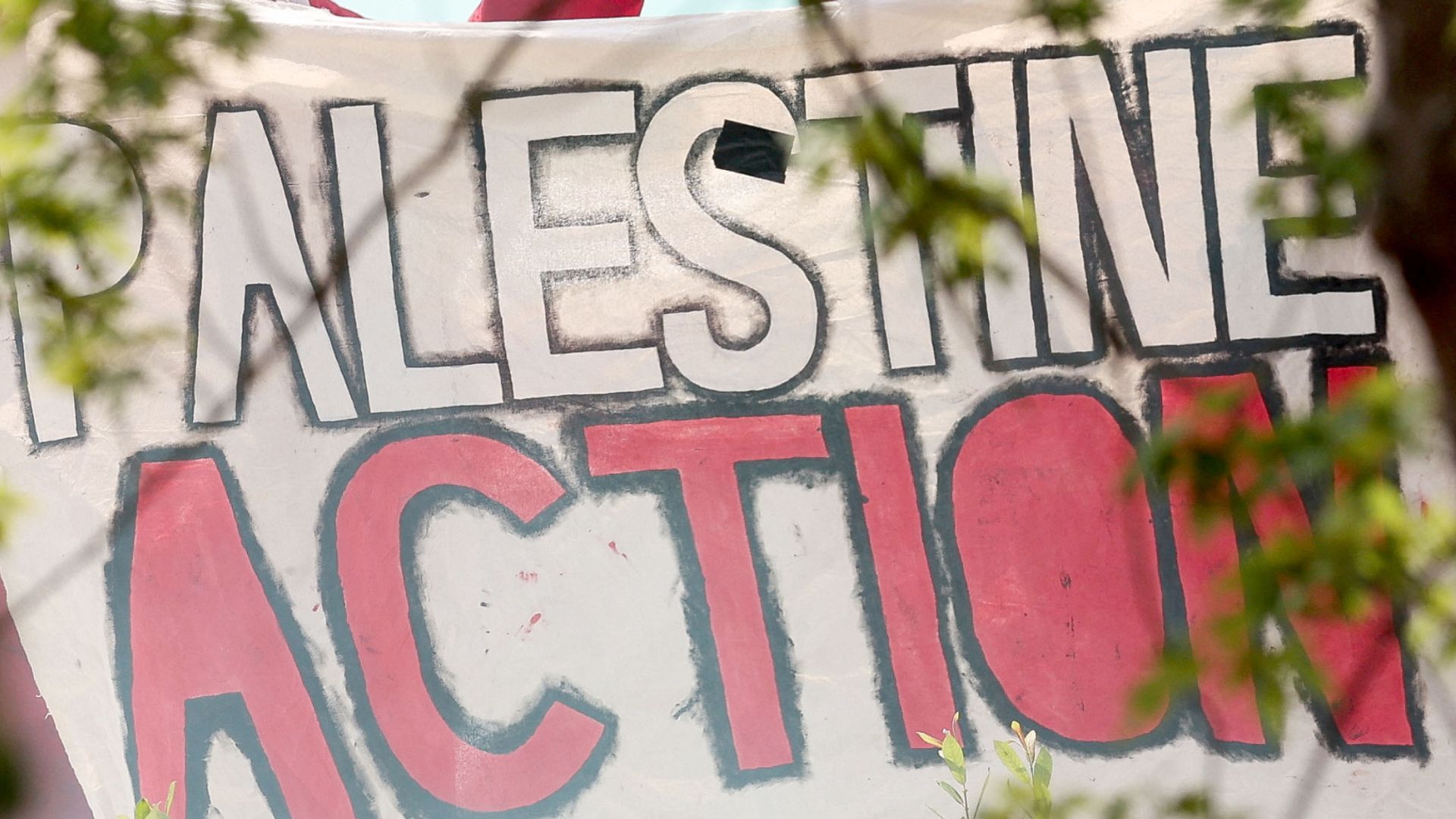
The United States has officially designated the British direct-action network Palestine Action as a transnational terrorist group, pulling an aggressive international political fight straight into American financial crosshairs.
Treasury Secretary Scott Bessent announced the move, hitting the UK-based protest organization with Specially Designated Global Terrorist status. Washington claims the network has fueled property destruction, backed violent operations, and inspired radical tactics stretching across the Atlantic. It is a massive escalation that crosses national boundaries. It also exposes deep global divisions over where political activism ends and violent extremism begins. Read more on a connected topic: this related article.
The Anatomy of the US Sanctions
So, what does this designation actually mean in practice?
The US Treasury Department's Office of Foreign Assets Control didn't just issue a stern warning. They slammed the financial door shut. Any assets the group holds within American jurisdiction are now frozen, and US citizens or entities are strictly banned from conducting financial transactions with them. Further journalism by Associated Press highlights related views on this issue.
Washington also targeted two other groups alongside Palestine Action: Italy's tech collective Autistici Inventati and the international network Masar Badil. US officials argue these networks form a broader ecosystem of far-left extremism. The White House is signaling zero tolerance for tactics that cross from civil disobedience into property damage and security breaches.
Critics and civil liberties organizations see it differently. They argue that weaponizing terrorism tags against direct-action protesters is a dangerous threat to free speech.
How Britain Paved the Way
This transatlantic crackdown didn't happen in a vacuum. Last year, the British government took the unprecedented step of proscribing Palestine Action under the Terrorism Act. That decision followed high-profile break-ins at defense facilities, including incidents targeting factories run by Elbit Systems—an Israeli defense electronics firm with major UK operations—and a disruptive protest at RAF Brize Norton.
Thousands of demonstrators have been arrested across Britain for voicing support for the group, turning local courtrooms into flashpoints. While a UK High Court initially questioned the ban's lawfulness, the Court of Appeal reversed that decision, labeling Palestine Action a covert organization built on property destruction. The legal battle is now heading to the UK Supreme Court.
By adopting the posture of the British proscription, the Trump administration has effectively aligned Washington with London's hardline stance.
The Fallout for Activism and Civil Liberties
Founders and supporters of Palestine Action are firing back. Co-founder Huda Ammori slammed the US decision, arguing that mirroring British repression exposes a dangerous assault on global dissent. Activists maintain their mission is purely about stopping what they term a genocide in Gaza, insisting that property disruption against defense contractors is a legitimate form of emergency protest to save lives.
Yet, Western governments view the math differently. When direct action shifts from holding picket signs to breaking into military hangars, smashing equipment, and intimidating commercial enterprises, intelligence agencies stop treating it as ordinary protest.
International banks and financial institutions now face intense pressure to audit their compliance protocols. Secondary sanctions mean financial networks that accidentally clear funds for these designated entities could face severe US penalties.
The line between radical street protest and transnational terrorism has officially narrowed. Expect courts, banks, and activist networks to spend the rest of the year fighting out the fallout of this designation.