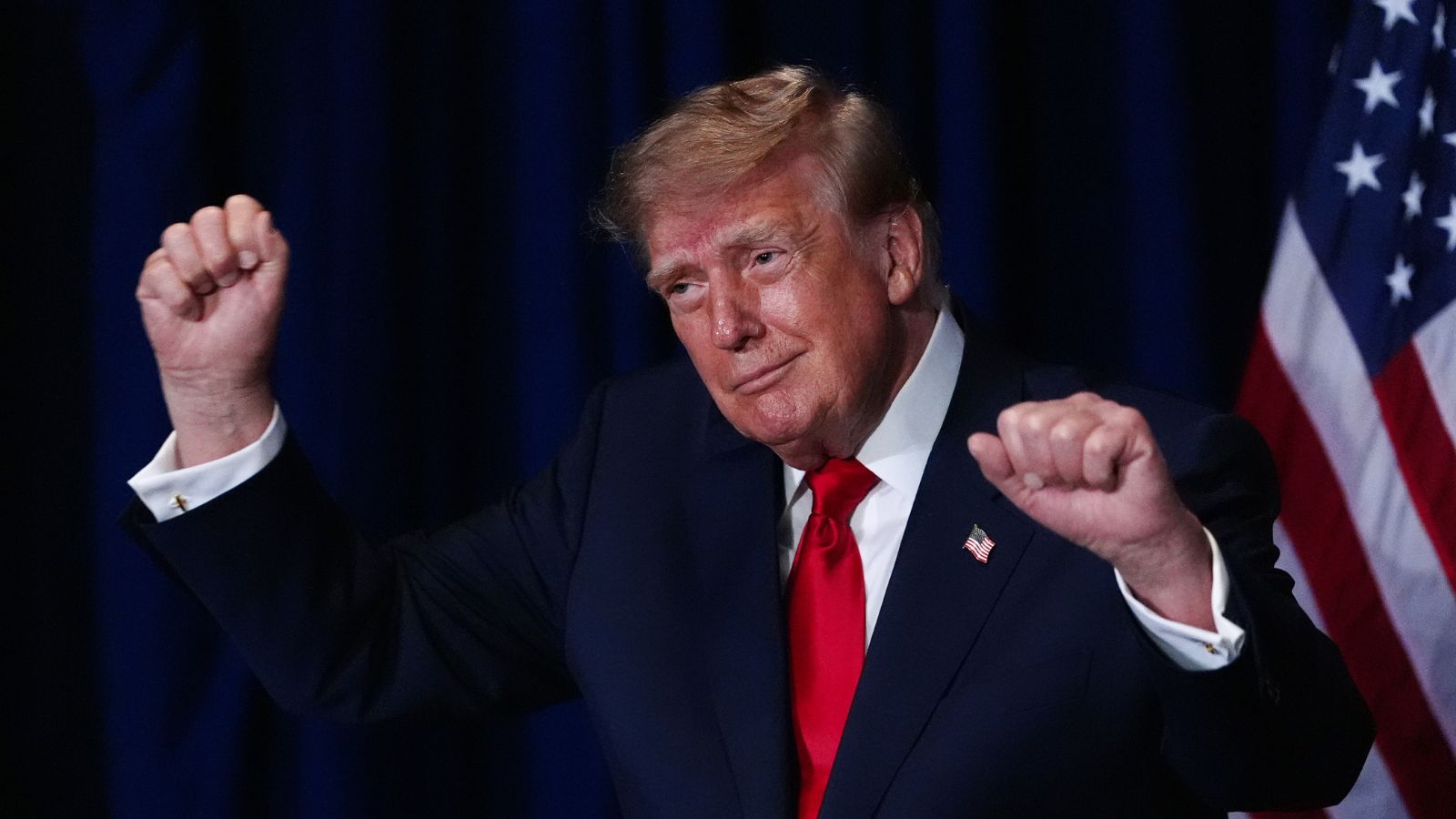
Trade legislation rarely carries teeth as sharp as the measures tucked into recent Washington mandates. When lawmakers pushed through aggressive bills targeting nations fueling Moscow's war chest, the global energy trade shook. The conversation immediately centered on massive economies like New Delhi and Beijing absorbing discounted crude. But threats on paper don't always translate cleanly into geopolitical reality.
The Mechanics of the Stiff Penalty Threat
The core of the legislative push gives the White House sweeping authority to levy punishing duties up to one hundred percent on imports from countries continuing to buy Russian oil and gas. Proponents argued that closing loopholes in international trade would choke off financial flows to Moscow. You might also find this related coverage insightful: The Maritime Bottleneck of Cuban Sanctions A Structural Deconstruction.
Yet, implementing such a drastic tool creates immediate blowback for Western markets. Energy supply chains are deeply interconnected. Slapping maximum duties on the top buyers of Russian crude risks triggering a massive spike in global fuel prices. Refineries cannot simply pivot overnight without absorbing severe cost shocks.
Why Major Importers Won't Back Down Easily
India and China view energy security through a strictly pragmatic lens. When Western sanctions altered global shipping routes, discounted Russian barrels offered a vital buffer against domestic inflation. As discussed in recent reports by Bloomberg, the implications are significant.
Officials in New Delhi have repeatedly made it clear that national interests dictate their import choices, not outside pressure. Expecting developing economies to abandon cheap energy sources without viable, cost-matched alternatives ignores basic market physics. Industrial growth requires steady inputs, and governments answer first to their own domestic populations.
The Reality of Executive Waivers and Political Gridlock
Statutory authority is one thing, and actual enforcement is entirely another. Granting the executive branch broad punitive tools doesn't mean those tools will find immediate use. Political realities, from midterm electoral calculations to fears of domestic inflation, heavily weigh on trade decisions.
Administration officials face a constant balancing act. Wielding a sledgehammer against key trade partners risks fracturing broader diplomatic coalitions in the Indo-Pacific. As markets digest these policy shifts, the true friction lies between legislative posturing and the messy execution of global economic statecraft.
Look past the aggressive rhetoric and you'll find an economic stalemate where absolute bans collide with the unyielding gravity of supply and demand. Trump's Surprise Russia Waiver: India, China Avoid 100% Tariff Hit | Impact On India Explained offers a closer look at why these blanket penalty measures ultimately got sidelined by immediate geopolitical realities.