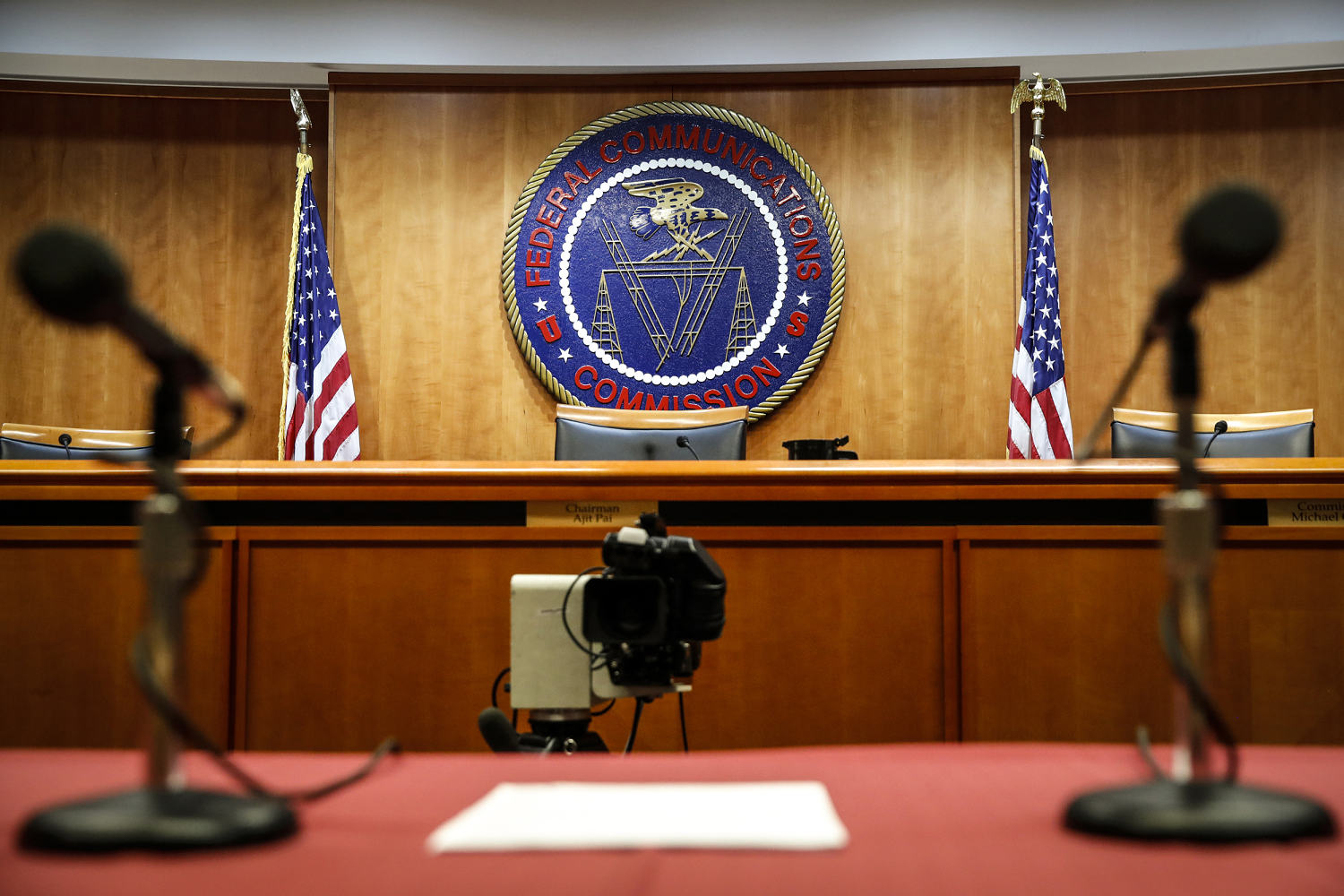
Regulatory capture operates through predictable levers, transforming administrative mandates into instruments of political coercion. When the Federal Communications Commission ordered The Walt Disney Company to file early broadcast license renewals for its eight owned-and-operated television stations years ahead of schedule, it broke a half-century operational precedent. The ensuing lawsuit filed by Disney and ABC in the United States District Court for the District of Columbia exposes a systemic friction point between state administrative power and corporate First Amendment protections. Deconstructing this dispute requires moving past partisan rhetoric to analyze the structural mechanics of administrative retaliation, the economic cost functions of compliance, and the legal constraints governing broadcast licensing.
The Administrative Weaponization of Timelines
The primary mechanism of pressure deployed against Disney is not an outright license revocation, which carries an extremely high legal threshold, but rather the compression of administrative timelines. Under normal statutory operations, broadcast licenses owned by ABC affiliates were scheduled for staggered renewals between 2028 and 2031. By accelerating this schedule and imposing a strict 30-day window for filings that typically require months of operational preparation, the regulatory body engineered an artificial bottleneck. Read more on a similar subject: this related article.
This maneuver exploits the asymmetry of administrative law. Regulatory agencies possess broad discretionary authority to set procedural rules, but deploying that discretion selectively against a single corporate entity creates a chilling effect across the entire media sector.
- Procedural Compression: Forcing eight major market stations to compile extensive renewal data simultaneously strains corporate legal and compliance resources.
- Indefinite Litigious Purgatory: Early applications initiated outside the statutory window create an environment where the regulatory body can indefinitely withhold approval, miring the parent company in perpetual legal uncertainty.
- Asymmetric Deterrence: The signal sent to competitors is structural rather than isolated. Broadcasters dependent on federal airwave licenses recognize that editorial independence carries an immediate balance-sheet penalty.
The Economics of Compliance and Coercion
Media conglomerates operate on predictable risk models where regulatory friction translates directly into capital allocation inefficiencies. The dispute between Disney and the FCC highlights how administrative bodies can leverage licensing power to influence corporate governance and editorial output. More journalism by Business Insider explores similar perspectives on this issue.
The sequence of events leading to the litigation reveals a precise causal chain. Public criticism from the executive branch regarding broadcast content—exemplified by commentary from network hosts and programming choices—was followed rapidly by targeted regulatory interventions. These interventions spanned parallel fronts, including inquiries into corporate diversity policies and equal-time rule compliance on public affairs programming.
[Editorial Content / Free Speech]
       │
       ▼
[Executive Branch Retaliatory Signaling]
       │
       ▼
[Regulatory Compression (Early License Filings & DEI Probes)]
       │
       ▼
[Corporate Balance Sheet Impact / Compliance Strain]
When a regulator initiates simultaneous probes into employment practices, editorial balance, and licensing renewals, the targeted firm faces a strategic dilemma. It must either absorb the compounding legal costs of defense or alter its operational behavior to appease the regulatory apparatus. Disney’s decision to litigate signals that the estimated cost of capitulation—measured in long-term operational autonomy and brand integrity—finally exceeded the cost of a direct judicial challenge.
The Constitutional Boundary of Broadcast Licensing
At the core of the legal challenge lies a fundamental tension between the statutory mandate of the Communications Act and the constraints of the First Amendment. Broadcasters operate under a public trustee model, utilizing publicly owned spectrum subject to regulation "in the public interest". However, using that statutory framework to penalize specific viewpoints or disfavored journalism runs directly into constitutional prohibitions against viewpoint discrimination.
Courts evaluating administrative overreach look for pretextual motives. The timing of the FCC order—issued in close temporal proximity to political disputes involving network personnel—provides the evidentiary foundation for Disney's claim of retaliatory animus.
- The Public Interest Standard: Traditionally defined by local programming, technical compliance, and avoidance of prohibited content. The expansion of this standard to encompass corporate diversity initiatives and satirical commentary stretches administrative jurisdiction.
- The Chilling Effect Doctrine: First Amendment jurisprudence recognizes that government actions need not result in outright censorship to be unconstitutional; any state-imposed burden that discourages protected speech violates foundational free press protections.
Strategic Outlook and Market Implications
The resolution of this litigation will establish a vital boundary marker for corporate autonomy in regulated industries. If the federal court permits the accelerated renewal process to stand without evidentiary proof of non-retaliatory administrative necessity, the precedent will permanently alter the power dynamics between the state and holders of public franchises. Regulators will possess an implicit veto over corporate speech, enforceable through administrative delay.
Conversely, an injunction halting the early renewal process curtails the weaponization of administrative timelines. Media executives will incorporate this judicial safeguard into their risk assessments, insulating editorial divisions from immediate regulatory retribution. The outcome is not merely a localized dispute over television licenses, but a stress test for the durability of constitutional protections within modern administrative capitalism.