The kettle boils. The sound is sharp, hissing into the quiet of a cramped apartment somewhere in Kowloon.
To the neighbors, life in the building is a blur of slamming doors, distant elevator chimes, and the muffled murmur of televisions. But inside this specific flat, the noise serves a singular purpose. It is a timer. Every two hours, the water must be heated. Every two hours, a feeding tube must be cleared. Every two hours, a shifting body must be adjusted to prevent the skin from breaking down into raw, painful pressure sores.
Nobody hears the silence that follows the click of the switch.
Caregiving in a densely populated metropolis often looks like this from the outside: an invisible shift happening behind locked deadbolts. It is an endurance test without a finish line. When an elderly woman’s life quietly ends in tragedy because the person tasked with keeping her alive simply ran out of reserves, the public gasps for a brief moment. Headlines flash across screens. Officials express profound sadness. Promises are muttered about better oversight.
Then, the news cycle moves on. The kettle keeps boiling in a thousand other apartments, and the people holding the handle remain entirely alone.
The Anatomy of Exhaustion
To understand what went wrong in that apartment, we have to look past the bureaucratic language of monitoring systems and support frameworks. We have to look at human friction.
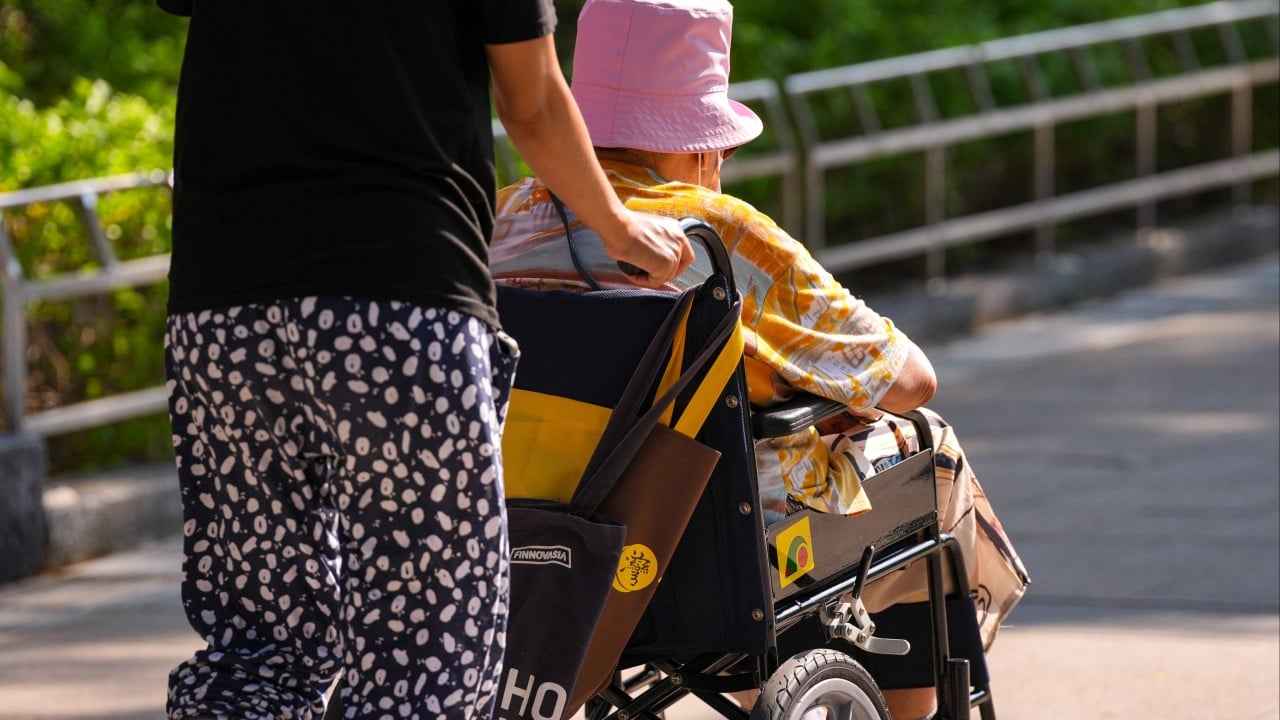
Imagine waking up every single day with your muscles aching before your feet even touch the floor. Not from a strenuous workout, but from chronic, relentless sleep deprivation. You are sixty-five years old. Your own joints protest with every step. Yet, your primary job is to lift, bathe, feed, and medicate someone else whose body has grown frail and heavy.
This is the reality for thousands of elderly carers in modern society. They are spouses caring for spouses, or aging children caring for aging parents. They belong to a demographic often referred to in policy papers as double aging—where older adults are looking after even older adults.
The math of this situation is brutal. When two people are nearing the end of their physical resilience, putting them in a closed room together for twenty-four hours a day, three hundred sixty-five days a year, creates a pressure cooker. There is no valve to let the steam out. There is no weekend shift change. There is no paid time off.
We talk about elder care as an act of profound love, and it is. But love does not pay the electricity bill. Love does not rebuild degenerating lumbar discs. Love does not provide the emotional oxygen needed to stay patient when someone with late-stage dementia asks the exact same question for the forty-third time since breakfast.
When that emotional oxygen runs out, panic sets in. Followed quickly by shame.
The Wall of Silence
One of the most dangerous myths we maintain is that people will naturally reach out for help when they are drowning.
Human psychology suggests the exact opposite. When individuals become completely overwhelmed, they tend to withdraw. They stop answering phone calls. They pull back from community centers. The shame of admitting vulnerability becomes a heavy woolen blanket wrapped tight around their shoulders, cutting off the air.
In many traditional households, the belief that family matters should stay within the family runs deep. To ask a social worker for assistance can feel like an admission of failure. It feels like waving a white flag and confessing that you are failing the person you promised to protect "in sickness and in health."
So, the carer smiles through the exhaustion during a brief trip to the wet market. They nod when the neighborhood shopkeeper asks how things are going. Everything is fine, they say. Just a bit tired.
Behind that polite nod, a quiet crisis is compounding.
Data and statistics tell us part of the story. They point to rising numbers of single-elder households, longer life expectancies, and stretched public health resources. But numbers lack a pulse. They don't capture the sound of a key turning in a lock, signaling another long night with no backup. They don't measure the quiet terror a carer feels when they catch a cold, wondering with mounting dread: If I go down, who looks after them?
Redefining What Support Actually Means
If we want to prevent another avoidable tragedy, we have to stop treating caregiving as a private family burden that occasionally receives charity. We have to treat it as critical infrastructure.
Just as a city builds bridges to carry heavy traffic across a river, society needs structural bridges to carry the weight of chronic care. Right now, those bridges are crumbling.
First, monitoring cannot mean surveillance. When officials talk about tracking vulnerable households, carers often flinch. They imagine inspectors with clipboards judging the cleanliness of their homes or threatening institutionalization. Real monitoring must look like a lifeline, not an audit. It means regular, low-pressure touchpoints from community nurses or social workers who bring practical relief rather than judgment.
Second, respite care needs to be as accessible as hailing a cab. Right now, booking temporary relief often requires navigating a maze of paperwork, long waiting lists, and strict eligibility criteria. If a carer needs to sleep for forty-eight straight hours because they are hallucinating from exhaustion, the system should be able to step in immediately. No questions asked. No bureaucratic hurdles to jump through.
Third, we have to dismantle the stigma of burnout. Carers need safe spaces to admit that they are angry, resentful, and broken down, without fearing moral condemnation. Admitting that you want to walk away from your aging mother for just one afternoon does not make you a monster. It makes you human.
The Final Chord
Back in that Kowloon apartment, the steam clears from the spout of the kettle.
The water cools down. The flat goes quiet again. Outside, the city rushes forward with its usual relentless energy, cars honking, neon signs flickering to life against the evening sky.
We cannot stop the passage of time. We cannot prevent our bodies from wearing out, growing old, and eventually breaking down. That is the unchangeable human condition.
What we can change is the darkness we allow people to suffer in while they try to hold those fragile pieces together. We can choose to look closer. We can choose to build systems that catch people long before they hit the ground. Because the measure of a society is not found in how tall its towers rise, but in how gently it holds the ones who can no longer stand alone.


