When an international news crew gets ambushed on camera, the world finally pays attention to a reality that everyday Palestinians live through in the occupied West Bank. Masked Israeli settlers recently attacked an NBC News team alongside a 51-year-old Palestinian woman named Aida Ahmed Abdullah in the village of Jalud, near Nablus. It is a stark reminder of how brazen extremist violence has become in the region.
The Ambush in Jalud
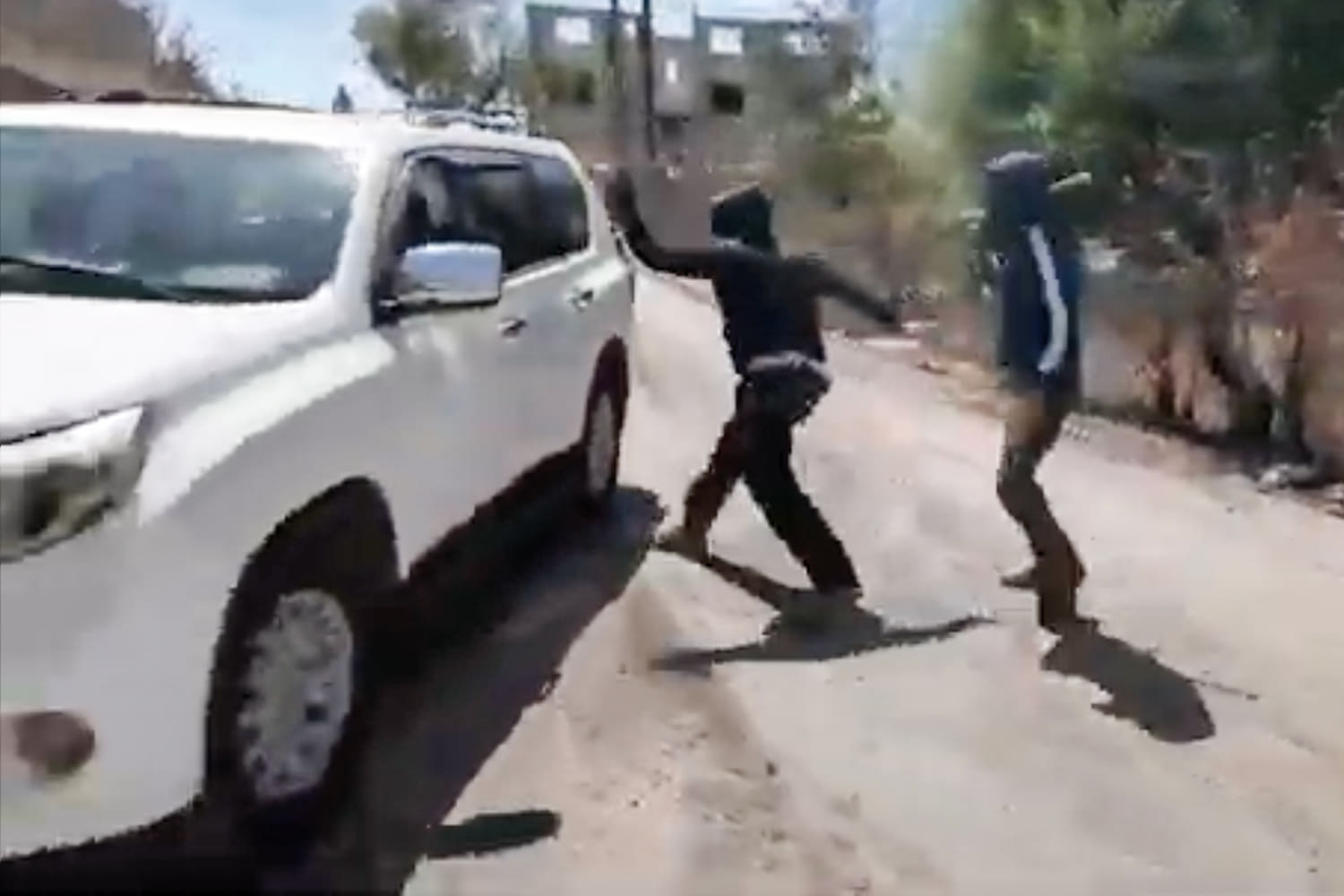
The incident unfolded as the NBC crew—including correspondent Matt Bradley, producer Lawahez Jabari, a cameraman, and a driver—interviewed Abdullah. She had recently been forced out of her home by settlers. As they walked down a hill toward the property, a car bearing Israeli license plates reversed up toward them.
Four masked men jumped out. Armed with sticks and throwing rocks, they targeted the group indiscriminately.
"They jumped out, beat us, then jumped back in the car," Bradley noted after sustaining injuries to his arm that required clinic treatment.
Abdullah suffered non-life-threatening injuries and required evacuation by the Palestine Red Crescent Society. Camera gear was smashed, and the news vehicle suffered heavy damage. While one producer reported seeing a weapon brandished, it wasn't fired. The entire episode underscores a grim truth. Accountability is virtually non-existent for routine aggressions in the hills surrounding Nablus.
A Wider Pattern of Escalation
This assault didn't happen in a vacuum. It coincided with severe unrest across nearby villages like Qusra, where masked groups also pepper-sprayed workers and raided properties. According to data tracked by United Nations agencies, systemic violence in the West Bank has surged to unprecedented levels, leaving dozens of Palestinians dead over recent reporting cycles while drawing sharp international criticism.
Human rights advocates point out that these attacks are part of a calculated strategy to displace rural communities. By cutting off access to water, blocking supply lines, and using physical intimidation, extremist factions pressure families to abandon their ancestral lands. International volunteers engaging in protective presence often find themselves targeted right alongside local residents.
Official Responses and the Impunity Gap
Following the attack on the media crew, Israeli Prime Minister Benjamin Netanyahu issued a condemnation, labeling the acts criminal and blaming a "handful of rioters" who damage Israel's international standing. Yet, critics argue that words ring hollow when arrests are rare and security forces frequently stand by or arrive only after the damage is done.
For journalists and human reports covering the ground realities, the risk has skyrocketed. Reporting the truth from contested territories now requires dodging physical violence not just from combatants, but from ideological extremists operating with functional impunity. The international community continues to call for immediate enforcement of the law, but on the rocky hillsides of Jalud, families wake up every day wondering if they will be next to lose their homes.