The Civilian Obsession With Military Orthodoxy
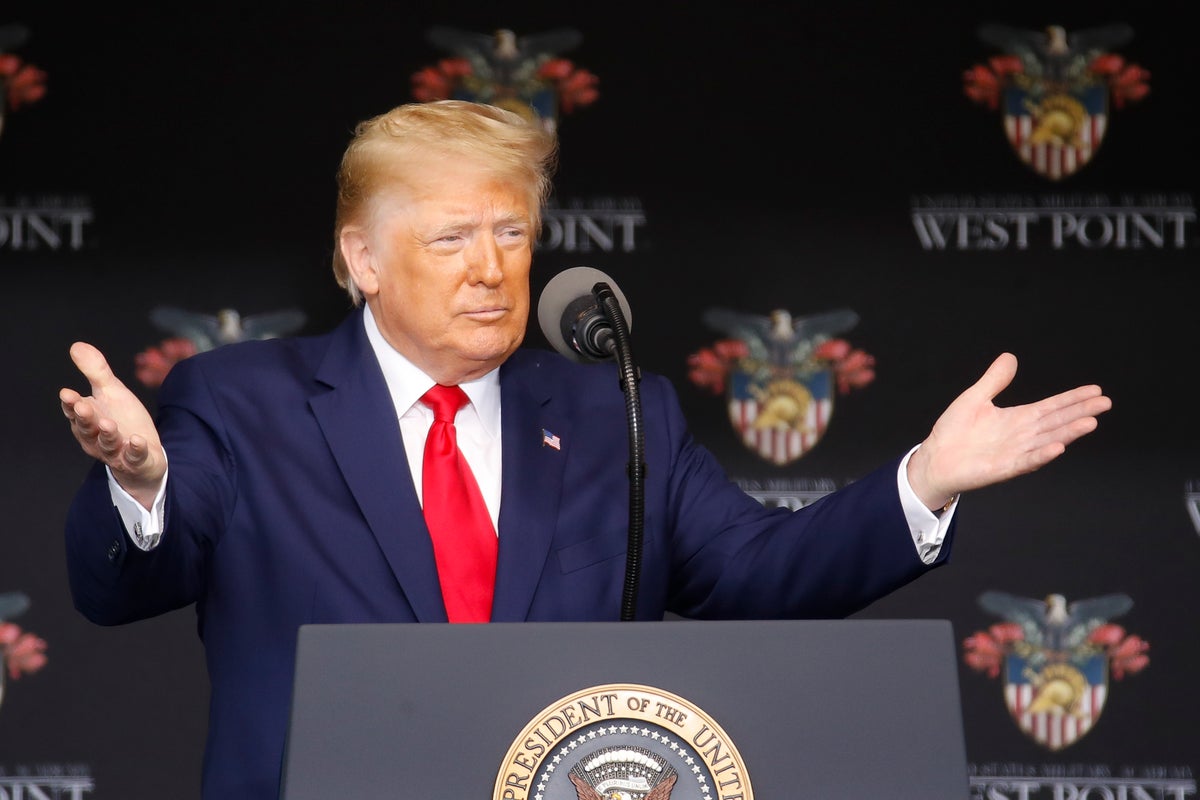
Every time a service academy touches its syllabus, Washington screams. The recent media uproar over a West Point lawsuit alleging political interference in climate instruction follows a tired, predictable script. Civilian observers, totally detached from the raw, utilitarian reality of combat engineering, treat military academies like liberal arts colleges in New England. They assume a syllabus update equals ideological brainwashing.
They are wrong. Dead wrong.
I have spent decades watching institutions grapple with shifting operational environments. When outsiders look at military education, they project their own partisan anxieties onto a machine designed for one single purpose: breaking things and killing people more efficiently than the adversary. If West Point teaches climate data, it is not because a general wants to win a Sierra Club award. It is because frozen fuel lines, thawing permafrost in the Arctic circle, and logistics choke points dictate whether a platoon survives a theater deployment.
The lazy consensus in the mainstream press claims that political pressure is corrupting objective science. That narrative assumes the science taught in these classrooms is pure academic theory. It is not. Military science is pragmatic, brutal, and entirely results-oriented.
The Logistics Reality Nobody Wants To Admit
Let us strip away the political theater and look at the physical board. Modern force projection runs on fossil fuels. A single armored brigade combat team burns through tens of thousands of gallons of diesel a day just moving across a contested sector.
When academics complain about the framing of environmental factors in tactical manuals, they treat climate as a political talking point. For a logistics officer sitting in a command tent, it is a variable.
- Fuel Supply Lines: Extended supply chains are primary targets for enemy artillery and drone swarms.
- Infrastructure Stress: Thawing ground destroys heavy vehicle mobility faster than enemy landmines.
- Water Security: Base camps require massive water purification infrastructure in arid zones.
Admitting that environmental conditions alter theater geometry is not an endorsement of carbon taxes. It is basic operational awareness. If your heavy armor gets bogged down in mud that historically froze solid during winter months, your tactical plan fails. Pretending otherwise to satisfy a political faction is professional negligence.
The Hard Truth: The military does not care about your ideology. It cares about whether your tanks can cross a bridge that is washing out due to shifting weather patterns.
✨ Don't miss: The Brutal Truth About the Coming Social Security Cut
The Danger Of Academic Purity Inside Service Academies
Critics of the current curriculum argue that any deviation from traditional combat doctrine dilutes readiness. They point to diversity seminars and environmental modules as distractions from the core mission of close-quarters combat.
There is a kernel of truth here, but the conclusion is backwards. The danger is not that cadets are learning about environmental variables; the danger is when that instruction is hijacked by civilian bureaucrats who prioritize optics over combat lethality.
When a professor files a lawsuit claiming administrative coercion over course content, everyone takes sides based on their stance on global warming. That is a trap. The real question is whether the curriculum teaches cadets how to solve hard, dirty logistical problems under extreme pressure.
Imagine a scenario where a forward operating base is cut off because seasonal flash floods washed out the only supply road. Do you want an officer who spent four years debating climate policy, or an officer who understands terrain analysis, soil mechanics, and alternative aerial resupply vectors?
You want the latter. And a rigorous curriculum must teach the environmental constraints of the theater without ideological fluff attached to either side of the aisle.
How To Fix The Service Academy Curriculum Debate
We need to stop treating military academies as cultural battlegrounds. They are professional trade schools for warfighters.
- Strip the Politics: Remove ideological litmus tests from course approvals on both sides. If a topic helps a platoon commander survive a winter deployment in Eastern Europe, keep it. If it is just partisan signaling, trash it.
- Focus on Terrain and Logistics: Frame every environmental factor strictly through the lens of terrain, friction, and supply chain vulnerability.
- Measure by Outcomes: Evaluate course utility based on field performance during joint exercises, not op-eds in national newspapers.
The lawsuit will settle, the headlines will fade, and the academy will keep training officers. The only thing that matters is whether the next generation of lieutenants can read the ground better than the enemy.
Stop worrying about what they call the curriculum, and start worrying about whether they can read a map when the network goes down.