The glow of a dashboard in Ohio. A flicker of a computer screen in Singapore. A sudden, sharp breath taken in a trading pit in London.
We rarely think about the invisible threads connecting these moments. To most of us, oil is just a number on a sign at the corner gas station, a fluctuating tax on our daily commutes. We watch it tick up with a sigh; we watch it drop with a brief, fleeting sense of relief. But beneath those shifting cents lies a vast, hyper-sensitive nervous system. It responds not just to supply and demand, but to whispers. To body language. To the fragile, unpredictable choreography of global power.
Consider a hypothetical truck driver named Thomas. He does not read geopolitical white papers. He does not track the subtle shifts in diplomatic protocol. But when a headline flashes across the wires thousands of miles away, the price of the diesel pumping into his rig changes within minutes. His ability to buy groceries at the end of the week depends entirely on whether two men in distant rooms decide to shake hands or turn their backs.
Recently, the global nervous system twitched.
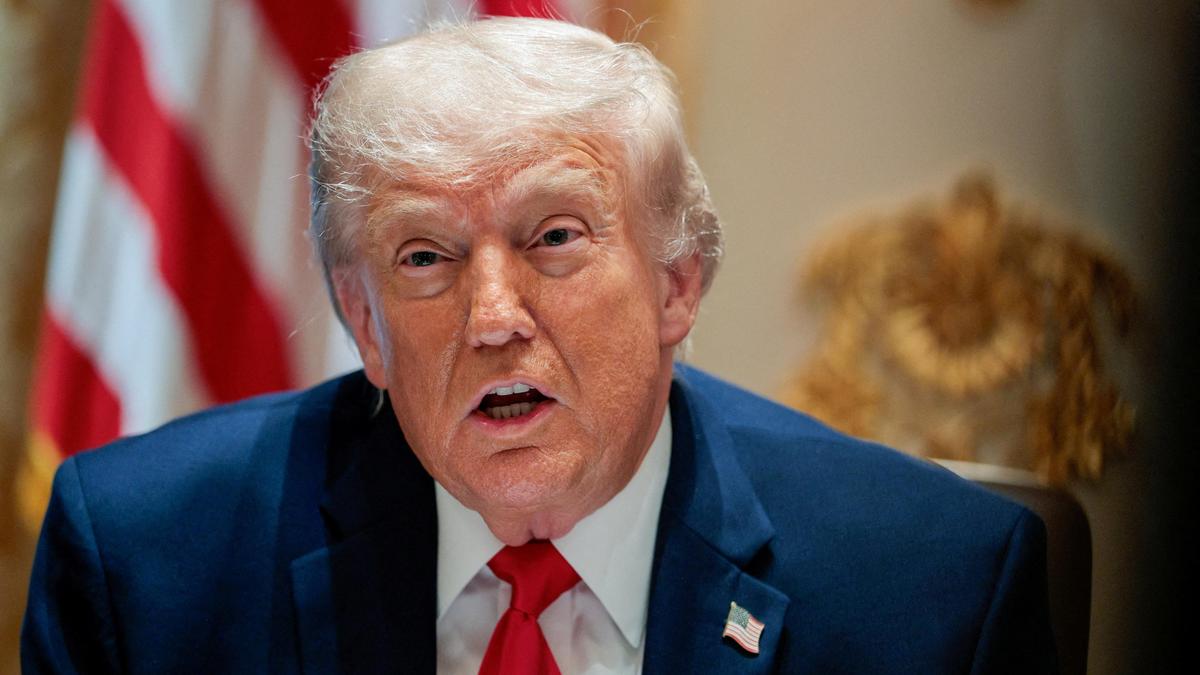
Oil prices fell. The headlines attributed the drop to a sudden thaw in relations, specifically the whispers of talks between Donald Trump and the Iranian leadership. On paper, it looks like a simple mathematical equation: the prospect of diplomacy equals the potential return of Iranian crude to the global market, which equals a surplus, which drives down the price per barrel.
But mathematics is a cold way to describe human anxiety.
The Geography of Panic
To understand why a few words exchanged in a corridor can send shockwaves through the global economy, we have to look at the map. Not the political map with neat, colored borders, but the energetic map.
The world relies on a series of narrow maritime choke points. The most vital of these is the Strait of Hormuz, a slender stretch of water between Oman and Iran. A massive percentage of the world’s petroleum passes through this single bottleneck. It is the jugular vein of global commerce. When tensions rise, that vein constricts. Insurance rates for supertankers skyrocket. Ship captains grip their wheels a little tighter. Investors, sensing danger, begin to buy up oil futures, betting that tomorrow’s barrel will be harder to find than today’s.
This is the premium of fear. For years, the price of every gallon of gas has carried an invisible tax—a tax paid not to a government, but to uncertainty.
When the news broke that communication channels might be opening between Washington and Tehran, that fear premium evaporated. It was as if a collective breath, held for months across trading floors and corporate boardrooms, was finally released. The market did not change because more oil was suddenly flowing. It changed because the fear of less oil flowing vanished.
The Art of the Unspoken
Diplomacy is often viewed as a formal exercise conducted by people in tailored suits reading from prepared scripts. The reality is far more visceral. It is a game of leverage, theater, and psychological warfare.
When a leader known for unpredictable, transactional deal-making signals a willingness to sit down with a historic adversary, the entire geopolitical calculus resets. The markets are forced to adapt to a new reality. Traders who had built their entire strategies around the assumption of prolonged conflict suddenly find themselves exposed.
Imagine the trading floor in the moments following such an announcement. It is not a place of calm calculation. It is a room governed by adrenaline. Green and red numbers cascade down massive screens, representing billions of dollars shifting hands in fractions of a second. A single phrase in a press briefing can wipe out a fortune or create one.
This volatility reveals a profound truth about our modern world: our economic stability is built on a foundation of human perception. The physical reality of oil—the drilling, the refining, the shipping—is secondary to what people believe will happen to that oil three months from now.
The Ripple Effect on the Asphalt
But let us return to Earth, away from the high-stakes theater of international relations and the frenetic energy of the trading floors. What does this mean for the person sitting in traffic on a rainy Tuesday evening?
The drop in oil prices acts as an immediate, albeit temporary, economic stimulant. When the cost of energy falls, the cost of transporting everything else falls with it. The apples in the grocery store, the packages delivered to the doorstep, the electricity powering the local factory—all of these are tethered to the price of crude.
Yet, this relief comes with a shadow.
When prices plunge too quickly, it signals a different kind of anxiety. It can suggest that the global economy is slowing down, that factories are producing less, and that consumers are pulling back. The line between a welcome discount and a warning sign of economic stagnation is razor-thin.
Furthermore, the domestic energy sector views these drops with a sense of dread. In places like West Texas or the North Sea, thousands of families depend on high oil prices to keep their jobs secure. A sustained drop means rigs go dark, investment dries up, and local economies that boomed yesterday face a bleak tomorrow. The cheap gas that delights a commuter in Chicago might mean a pink slip for an engineer in Houston.
The Fragile Balance
We live in an era that prizes certainty. We want algorithms to predict our behavior, models to forecast our weather, and data to guarantee our investments. But the recent fluctuations in the oil market serve as a stark reminder that some things remain stubbornly, beautifully, and terrifyingly unpredictable.
The price of oil is a mirror reflecting our collective hope and fear. It rises when we expect conflict, and it falls when we glimpse even a shadow of peace. It reminds us that despite our technological advancements and our sophisticated financial instruments, we are still at the mercy of human decisions made in closed rooms.
The next time you pull up to a pump and notice the numbers have shifted, look past the plastic display. Think of the ships navigating the narrow straits, the traders shouting over the din of the floor, and the fragile, human conversations happening on the world stage. We are all passengers on this volatile journey, tied together by a liquid that flows deep beneath the earth, governed by the unpredictable whims of those who walk upon it.