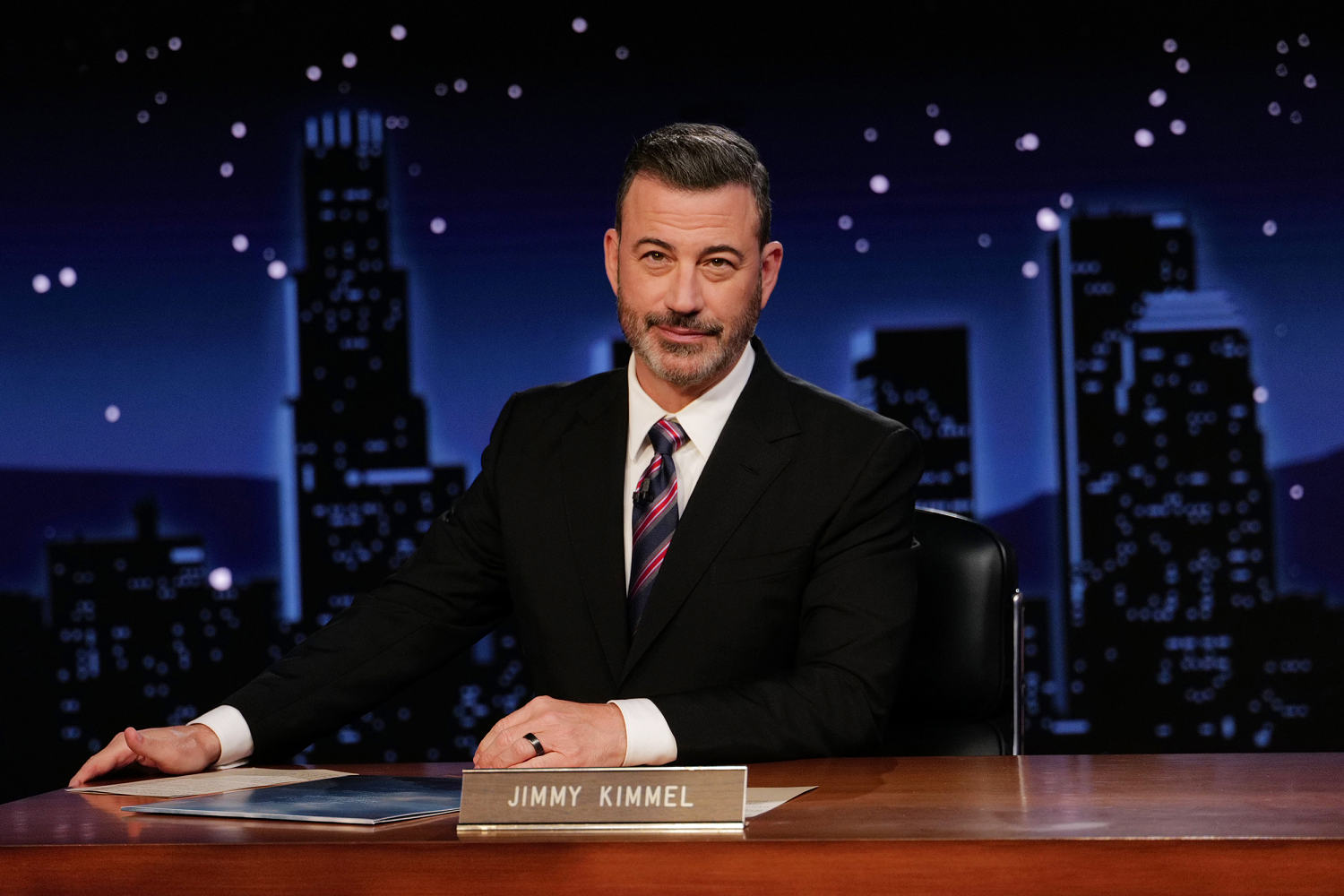
The outrage machine is predictable, bored, and currently operating on a manual crank. When the White House starts leaning on a broadcast network to fire a late-night host over a joke about a public figure, they aren’t defending "decency." They are signaling a total loss of narrative control.
The prevailing media narrative suggests this is a moment of high-stakes political tension—a line in the sand for what is acceptable in political satire. That is a fantasy. In reality, the executive branch’s attempt to bully ABC into dumping Jimmy Kimmel is the most effective marketing campaign Disney didn't have to pay for. Read more on a similar topic: this related article.
The Myth of the Protected Political Spouse
Mainstream commentary loves to lean on the "spouses are off-limits" rule. It sounds dignified. It feels like a relic of a more gentlemanly era. It is also a lie. From Mary Todd Lincoln to Hillary Clinton and Melania Trump, the spouse of the President has always been a proxy for the administration’s values.
The idea that a joke about a First Lady should result in a pink slip is a tactical error by the White House. By demanding a firing, they have elevated a three-minute monologue segment into a national referendum on free speech. They’ve turned a comedian into a martyr. Additional analysis by The Hollywood Reporter highlights similar views on the subject.
I have sat in rooms with network executives when these calls come in. The tension is real, but the math is simple. If a host is losing money, a phone call from Washington is a convenient excuse to cut bait. If a host is drawing eyeballs, that same phone call is a badge of honor to be flashed at the next advertisers' upfronts. Kimmel isn't going anywhere because the White House just gave him exactly what every entertainer craves: relevance.
The Ratings Trap
Late-night TV is dying. The numbers don't lie. Linear television is a ghost town where the median age of the viewer is closer to "retired" than "relevant."
- Fact: Late-night talk shows have seen a 40% to 50% drop in linear viewership over the last five years.
- The Reality: Digital clips are the only thing keeping these brands alive.
A "controversy" involving the White House is the ultimate algorithm fuel. When a press secretary or a high-ranking official denounces a joke, they are effectively telling millions of people who didn't watch the show to go find the clip on YouTube. They are driving traffic to the very "offense" they claim to despise.
If the White House actually wanted Jimmy Kimmel to disappear, they would ignore him. Silence is the only thing that kills a comedian. Instead, they’ve chosen to pick a fight with a man whose entire career is built on picking fights. It’s like trying to extinguish a fire by throwing premium gasoline on the embers.
Why the White House is Asking the Wrong Question
The "People Also Ask" sections of the internet are currently flooded with variations of: "Can the President get a TV host fired?" or "Did Jimmy Kimmel go too far?"
These are the wrong questions. The right question is: Why is the most powerful office in the world spending political capital on a comedian’s script?
The answer is insecurity. When an administration feels it can no longer win on policy, it pivots to tone-policing. By focusing on Kimmel’s "disrespect," they avoid talking about the substance of the joke or the broader criticisms of their own performance. It is a classic distraction technique, but it’s one that only works on the base. To the average swing voter, it looks like a titan of industry and a government superpower bickering over a lunch table insult.
The First Amendment Isn't a Suggestion
Let’s be brutally honest about the "pressure" being applied. Any government official using their position to influence the employment of a private citizen based on their speech is dancing on the edge of a constitutional disaster.
The Supreme Court has been remarkably clear in cases like Hustler Magazine, Inc. v. Falwell. Satire, even when it is "outrageous" and "malicious," is protected. You don't have to like the joke. You don't have to find it funny. But the moment the White House suggests a private corporation should terminate an employee for a joke, they aren't just being thin-skinned—they are being anti-American.
I’ve seen this play out with smaller brands. A CEO gets offended by a tweet and demands a retraction. What happens? The tweet goes viral, the brand looks weak, and the person who sent the tweet gets a book deal. The White House is currently playing the role of the insecure CEO.
The Disney Wall
People forget who Kimmel actually works for. He doesn't work for "the public." He works for Disney.
Disney is a company that understands the value of a shield. Kimmel provides a specific service: he keeps a certain demographic of the audience engaged and loyal. As long as he is profitable, Disney will treat White House complaints as "clipping service" material.
The downside of this contrarian view? It acknowledges that we live in an era where outrage is the primary currency. If you want to "win," you have to be the one causing the most noise. The White House thinks they are silencing a critic; they are actually renewing his contract.
Stop Trying to "Fix" Satire
The lazy consensus says we need more "civility" in our political discourse.
Wrong.
We need more honesty. If a joke hits a nerve, it’s usually because it touched a truth that people are uncomfortable acknowledging. Trying to "fix" satire by firing comedians is like trying to fix a fever by breaking the thermometer.
The White House isn’t protecting the First Lady’s honor. They are protecting their own vanity. And in the process, they are proving that Kimmel’s monologue actually mattered—which is the biggest compliment a comedian can ever receive.
Every time a government official complains about a joke, a writer in the late-night war room gets their wings. They aren't looking for an apology. They are looking for the next punchline that will get them mentioned in a press briefing. The White House hasn't cornered Kimmel; they've handed him the keys to the kingdom.
If you want to stop Jimmy Kimmel, turn off the TV. If you want to make him the most powerful man in media for the next forty-eight hours, send a letter from the Oval Office.
The administration chose the latter. Don't be surprised when the ratings spike.


