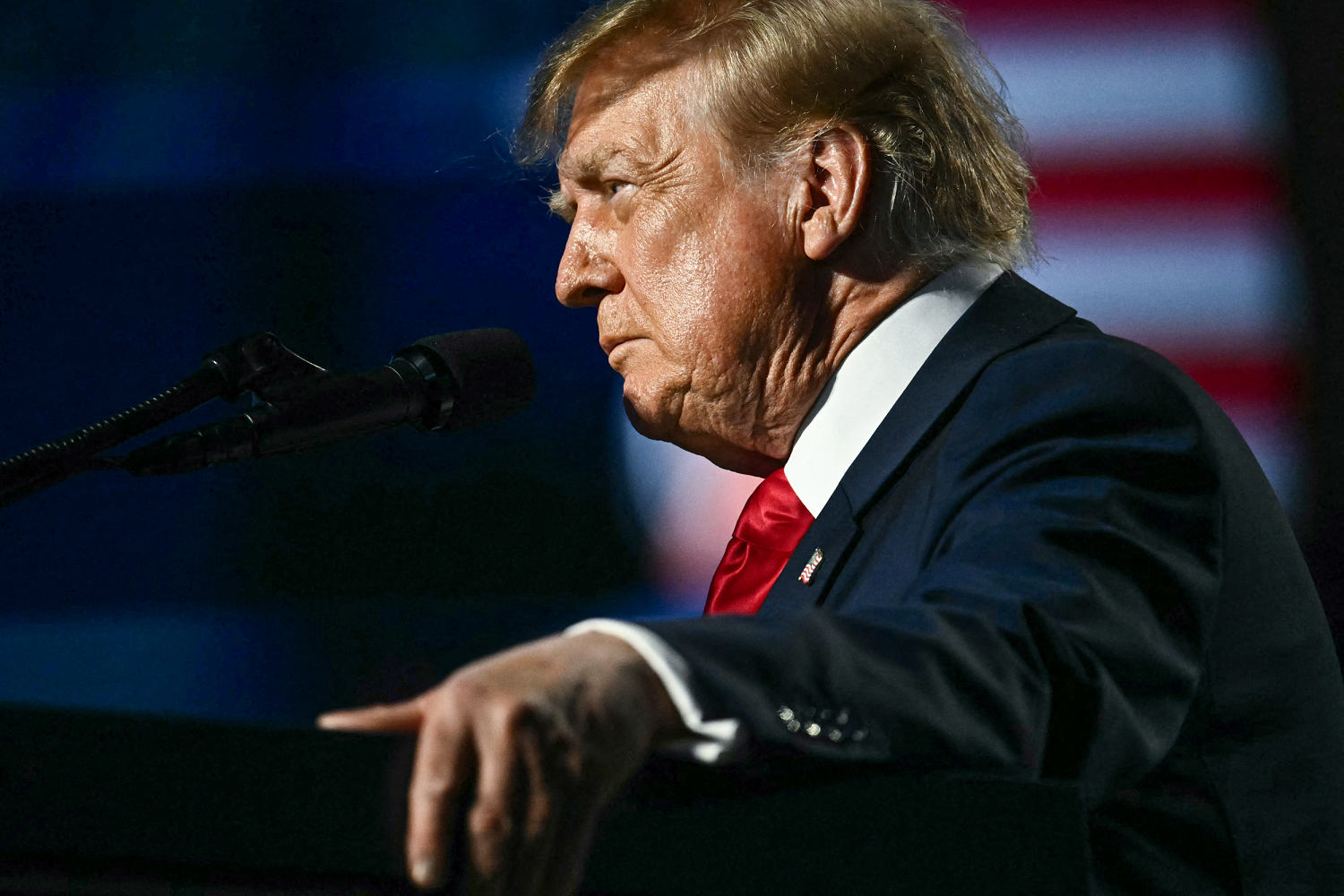
When the chief executives of the world's most powerful artificial intelligence labs step up to public microphones to demand government oversight, experienced observers know precisely what to look for: the fine print. For months, tech leaders from organizations like Anthropic and OpenAI argued that frontier models carry catastrophic risks, hinting that a self-imposed slowdown or strict federal guardrails might be necessary to protect humanity. Then the White House made its stance clear. President Donald Trump completely dismissed the idea of decelerating domestic technology development, arguing that keeping pace ahead of foreign rivals like China outweighs any domestic calls for mandatory precautionary brakes.
The resulting collision between Washington's relentless pursuit of dominance and Silicon Valley's rhetorical appeals for caution exposes a fundamental truth about the current technological boom. The public debate over slowing down is not an honest reckoning with existential risk. It is a calculated exercise in regulatory capture. Recently making news in related news: Why Trump Calls AI Safety Fears a Hoax and Rejects Tighter Controls.
To understand why the White House's rejection of an artificial intelligence slowdown caught Washington by surprise, one must examine the strange alliance that preceded it. Silicon Valley labs frequently frame their warnings about future models around hypothetical worst-case scenarios, from automated cyberattacks to biological hazard creation. By calling for Washington to step in, these firms perform a delicate political dance. They position themselves as responsible corporate citizens while quietly locking in market advantages that only multi-billion-dollar balance sheets can survive.
When the administration chose instead to sign voluntary agreements—labeling them constitutional pacts rather than statutory shackles—the illusion fractured. The White House made it plain that federal power would be used to speed up construction, clear state-level roadblocks, and defend American corporate supremacy rather than erect speed bumps. Further details into this topic are covered by Ars Technica.
This dynamic leaves the architects of frontier models in an awkward position. They spent years cultivating an image of cautious stewards who wake up worrying about the apocalypse, only to be told by the executive branch to drop the pretense and accelerate. The response from tech leadership revealed the underlying hypocrisy. Rather than pushing back with genuine alarm, major industry figures accepted the green light with a collective sigh of relief.
The reality is that a mandatory slowdown would have punished smaller startups and open-source developers far more than the established giants. A heavy regulatory apparatus requires an army of compliance lawyers and millions in administrative overhead. Monopolies can absorb compliance costs easily; early-stage disruptors cannot. When tech executives ask for rules, they are usually asking for a moat.
Simultaneously, the physical infrastructure supporting this expansion faces entirely different pressures outside the beltway. While Washington debates geopolitical dominance, local communities across America are pushing back against the staggering resource demands of massive data centers. These facilities consume immense amounts of electrical power and local water supplies, turning ordinary municipal zoning boards into fierce battlegrounds. Local elections have become proxy wars over whether utility grids can handle the surge, proving that the real friction for artificial intelligence is not federal philosophy, but local physics.
The administration’s refusal to impose a slowdown underscores a hard geopolitical calculation. In the corridors of executive power, the fear of losing a technological race to foreign adversaries completely eclipses abstract philosophical concerns about alignment theory. If American firms decide to pause training runs out of an abundance of caution, foreign competitors will simply fill the vacuum. That singular anxiety overrides every corporate press release about safety.
Ultimately, the entire episode strips away the veneer of altruism surrounding corporate safety advocacy. When given the choice between slowing down to figure out the unknown or racing ahead to capture global market share, the machinery of state and capital chose speed. The warnings from the boardroom were never about hitting the brakes. They were about deciding who gets to steer.
Trump opposes slowing down AI development amid competition with China
This coverage from Anadolu Agency provides direct context on why the White House chose to prioritize maintaining a technological edge over regulatory slowdowns.