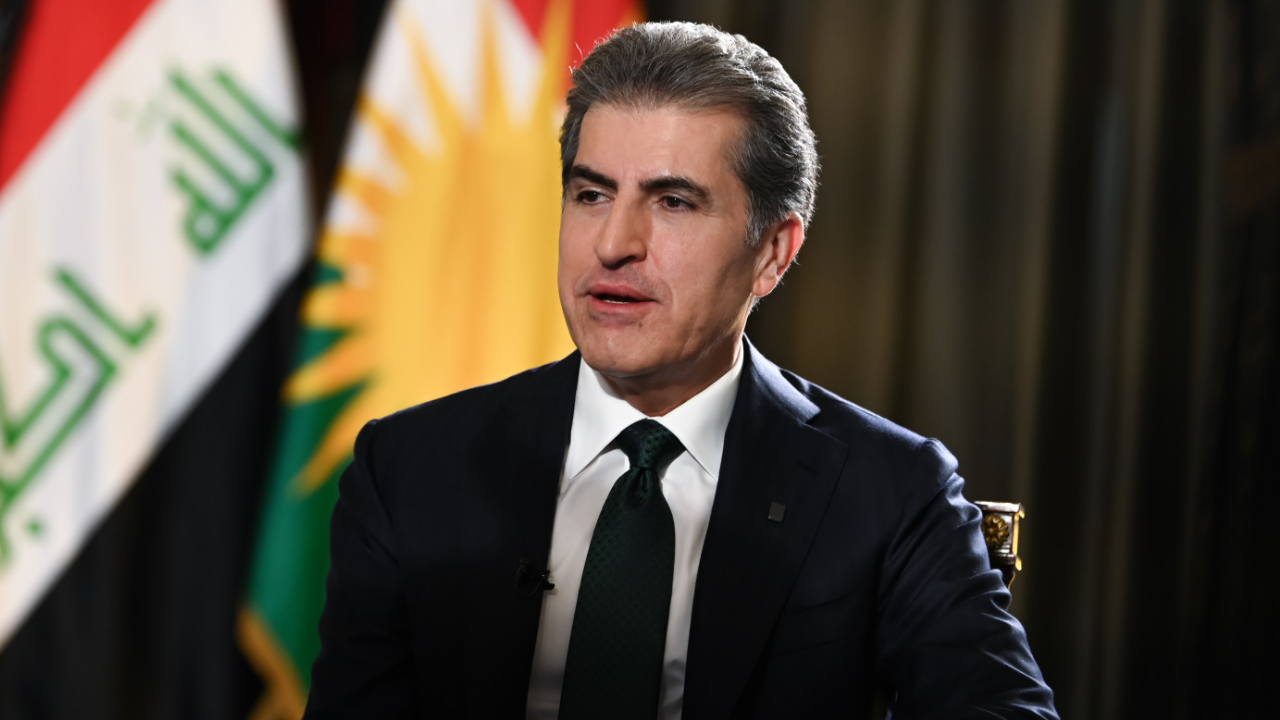
The media narrative loves a neat, dramatic subplot. The lazy consensus dominating international reporting insists that the Donald Trump administration pulled off a masterstroke of diplomatic espionage by using Iraqi Kurdistan's President Nechirvan Barzani as a secret backchannel to bypass Iran's traditional civilian negotiators and speak directly to the Islamic Revolutionary Guard Corps (IRGC).
We are told a cinematic story: Washington grew suspicious that Parliament Speaker Mohammad Bagher Ghalibaf and Foreign Minister Abbas Araghchi were being overruled by hardliners. Supposedly, then-Director of National Intelligence Tulsi Gabbard picked up the phone to Erbil, activated Barzani's historical Farsi-speaking roots from the University of Tehran, bypassed the Ministry of Foreign Affairs, and established an encrypted line directly to IRGC commander General Ahmad Vahidi.
It sounds like a spy thriller. It is also fundamentally wrong about how power operates in Tehran.
The Myth of the Civilian-Military Split
The entire premise of the White House intervention rests on a tired, recycled American delusion: that Iran possesses a deeply fractured government where pragmatic civilian diplomats are constantly held hostage by rogue, warmongering generals in the IRGC.
This framework was trotted out during the 2015 nuclear negotiations, and Washington has dragged it out of the mothballs ever since. It assumes that if Mohammad Bagher Ghalibaf or Abbas Araghchi agree to a term, they might be freelancing, and that validation must be sought from the men with guns.
Here is what the analysts cheering on this backchannel refuse to reckon with: Ghalibaf is not an outsider to the military apparatus. He is a former commander of the IRGC Aerospace Force. He shares deep ideological, operational, and personal histories with the very leadership inside the IRGC. Pretending that the civilian diplomatic team needed a Kurdish regional intermediary to verify whether General Vahidi backed their stance is a profound misunderstanding of the Islamic Republic's inner circle. They are not two separate factions at war with one another; they are concentric circles of the exact same power structure.
What Actually Happened in Erbil
When Barzani placed that call to Vahidi on an encrypted line delivered to his office, what did he actually get? According to multiple regional sources, Vahidi did not eagerly bypass Tehran's official diplomatic track. In fact, reports from Tehran indicate that when Barzani floated the idea of hosting secret, direct US-Iran talks in Erbil, the IRGC leadership flatly refused.
Vahidi’s response to the Kurdish leader was clear: everything must go through the official channels of Araghchi and Ghalibaf.
Let that sink in. The backchannel designed to bypass Iran's negotiators was unceremoniously bounced right back to Iran's negotiators. The IRGC did not use the opportunity to cut a separate, pragmatic side-deal behind the backs of the Foreign Ministry. They reinforced the legitimacy of the state's formal diplomatic framework.
Washington thought it was exploiting a division. Instead, it ran straight into a brick wall of institutional discipline.
The Real Obstacle is Not Communication
For years, foreign policy wonks have convinced themselves that Middle Eastern diplomacy fails simply because of bad line-of-sight. If only we could find the right fixer—someone who speaks Farsi, lived in Tehran during the war, and golfs with everybody—we could crack open a lasting accord.
This is magical thinking.
As seasoned Middle East analysts like Brett McGurk have pointed out, the breakdown in talks has never been about a lack of mediators or broken telephones. Qatar and Pakistan have run themselves ragged carrying messages back and forth. The barrier is not a failure of transmission; it is a fundamental clash of irreconcilable strategic objectives—specifically regarding choke points like the Strait of Hormuz. You can give an IRGC commander an encrypted satellite phone in Erbil, but hardware does not rewrite geopolitical calculus.
Stop treating foreign policy like a corporate merger where the right executive sponsor can override the board. When dealing with heavily fortified national security states, the official negotiators are already speaking for the generals, because the generals wrote the script.
For more updates on regional developments, check out this US-Iran Secret Talks Coverage.
This video provides additional context regarding how the backchannel discussions between Washington and Iraqi Kurdistan unfolded.