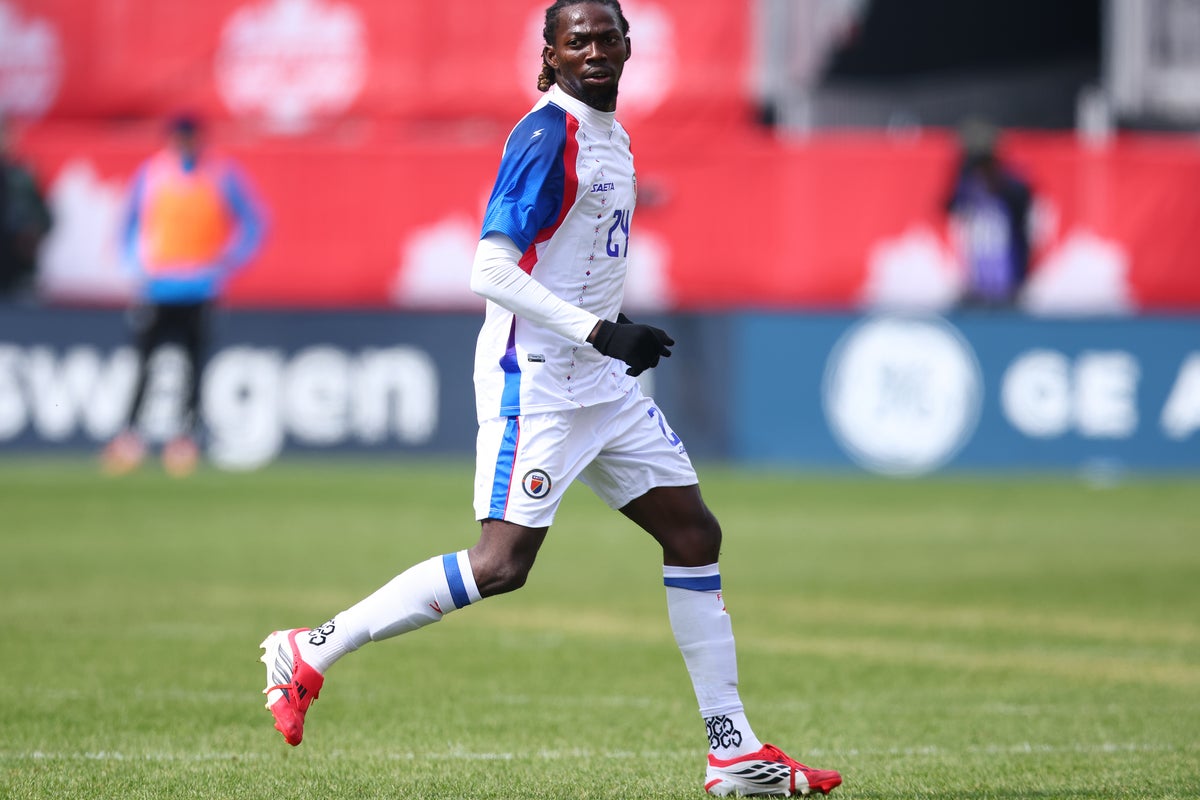
Imagine being the only guy left behind. Your entire team flies out to Florida to train for the biggest tournament on earth, but you are stuck in a city where violent gangs control roughly 70% of the streets. That was the reality for Woodensky Pierre, the standout defensive midfielder for Haiti's national soccer team.
For weeks, Pierre was trapped in a agonizing bureaucratic limbo. While his 25 teammates—all based safely abroad in leagues across Europe and North America—gathered in the sunshine of Port St. Lucie to prepare for the 2026 FIFA World Cup, Pierre was stranded in Port-au-Prince. The U.S. government, under a Trump administration that has aggressively expanded travel restrictions and immigration crackdowns, sat on his visa application. Advocacy groups like the Haitian Bridge Alliance even had to fire off urgent appeals to U.S. Secretary of State Marco Rubio just to get the paperwork noticed.
Then, the breakthrough happened. The U.S. government finally approved the visa, clearing Pierre to join Les Grenadiers.
It is a massive relief for Haitian football. But honestly, it is much bigger than a sports story. This is a look into the brutal intersection of global politics, immigration barriers, and a young athlete trying to kick his way out of a war zone.
The Lonely Grind in Port-au-Prince
To understand why this visa matters so much, you have to look at where Pierre comes from. He plays his club football for Violette AC and grew up in Cité Soleil. If you follow international news, you know Cité Soleil is a seaside slum that has been devastated by extreme violence, hunger, and gang warfare for years. The UN's International Organization for Migration recently reported that gang violence has displaced over 5,300 people from the area.
While his teammates were training on pristine pitches in Florida, Pierre was grinding away on a synthetic grass field in Pétion-Ville, an upscale area of the capital. He was running drills alone, hoping the politics would clear up before the tournament started.
The contrast between this squad and Haiti’s legendary 1974 World Cup team is staggering. Back in '74, the last time Haiti made the tournament, almost every single player on the roster lived and played locally in Haiti. Today, the country is in such a severe crisis that its domestic league is fractured, and the national team had to play its "home" qualifying matches in Curaçao because Port-au-Prince was deemed too dangerous. Pierre is the literal last man standing from the local circuit.
Geopolitics vs Global Sports
The beautiful game is rarely beautiful behind closed doors where visas are handed out. The Trump administration has taken a notoriously hardline stance on immigration and travel from nations facing systemic instability, and Haiti is right at the top of that list. This bureaucratic wall did not just affect Pierre; nearly a dozen Haitian soccer federation officials faced the exact same delays.
We saw similar issues play out across the tournament's organizing footprint, with the U.S. implementing strict security screenings and even flirting with controversial $15,000 visa bonds for fans visiting from certain African nations before walking them back.
For an elite athlete, a visa delay is not just an inconvenience. It ruins preparation. Pierre missed crucial early days of training camp and the immediate lead-up to Haiti's warm-up match against New Zealand. When you are about to share a group stage with Scotland, Morocco, and five-time world champion Brazil, every single minute of tactical preparation matters.
The Stakes for Pierre’s Future
Let's talk about the unspoken truth of this tournament for a player like Pierre. This World Cup is his golden ticket.
Haitian soccer federation spokesman Thecieux Jeanty put it bluntly before the visa was approved, stating he hoped Pierre wouldn't have to live in Haiti after the tournament. The goal here is exposure. Playing on sports' biggest stage gives Pierre a chance to showcase his defensive work rate and vision to international scouts. A solid performance in the group stages could land him a life-changing contract with a club in Europe or Major League Soccer.
For Pierre, getting on that plane to Florida was not just about representing his country. It was about survival and securing a future away from the daily threat of gang warfare.
Haiti kicks off its tournament run on June 13 against Scotland in Foxborough, Massachusetts, followed by a massive clash against Brazil in Philadelphia on June 19, and Morocco in Atlanta on June 24. With Pierre officially in the mix, the squad is finally whole.
If you want to support Haitian football or follow Pierre's journey, keep your eyes on the independent media outlets covering the CONCACAF region. Don't just watch the big-nation matches this June. Tune into Haiti's group stage games, track Pierre’s performance in the midfield, and support local organizations like the Haitian Bridge Alliance that fight for athletes and families caught in bureaucratic crosshairs.