Sending "thoughts and prayers" is the political equivalent of a participation trophy. It's easy, it's cheap, and it doesn't actually win the game. After the latest stabbing in Golders Green, Benjamin Netanyahu isn't just offering a critique; he’s essentially calling out a perceived void in British leadership. When two men—one in his 30s and another in his 70s—get knifed in broad daylight in a heavily Jewish neighborhood, the standard script of "appalling" and "unacceptable" starts to sound like white noise.
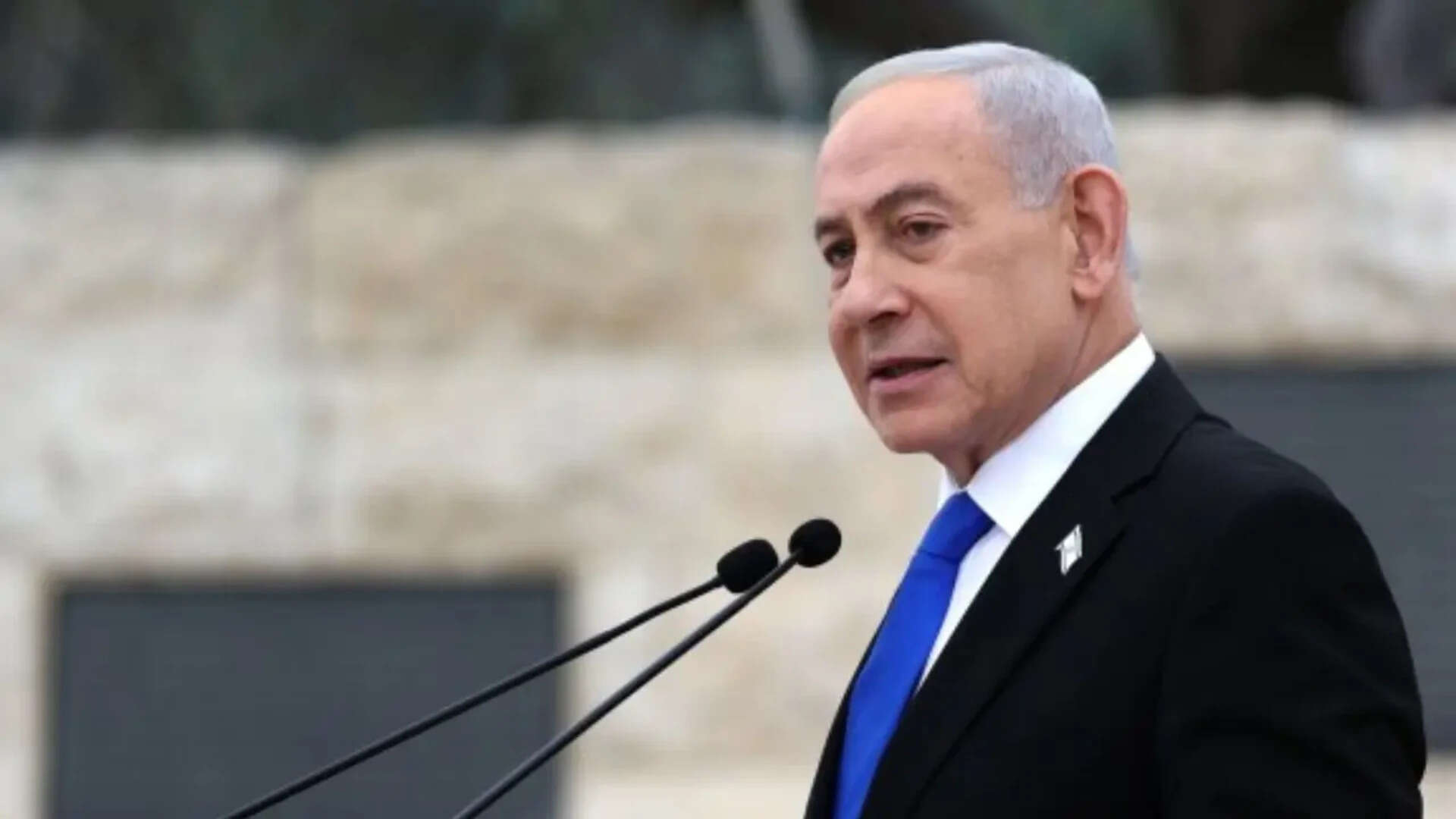
Netanyahu’s message to Keir Starmer was blunt. He argued that "words are not enough" to fight the surge of antisemitism hitting the UK. It’s a sentiment that’s vibrating through the Jewish community in London and beyond. People are tired of the cycle. An attack happens, a politician tweets a condemnation, and everyone waits for the next headline. For a closer look into similar topics, we suggest: this related article.
The Golders Green Reality Check
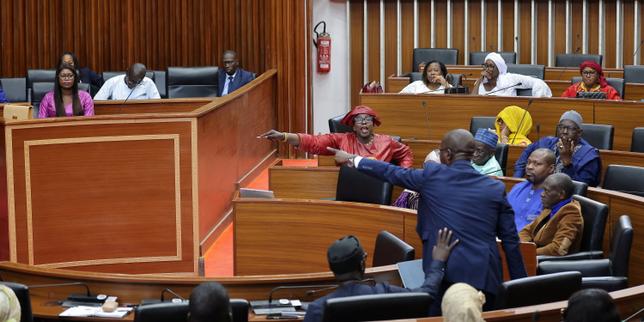
Let’s look at what actually happened. A 45-year-old man, reportedly a British national of Somali origin, went on a rampage in North London. He didn't just target civilians; he allegedly tried to take a run at the police too. Shomrim volunteers—the local community security group—had to step in before the Metropolitan Police even made the arrest.
Think about that for a second. In a major global capital, a specific ethnic and religious group feels they need their own volunteer security patrols just to walk to the grocery store. Netanyahu’s office leaned into this, stating that "weakness gaslights one antisemitic attack after another." It’s a harsh take, but it hits on a nerve regarding how "protected" people actually feel. For broader information on this development, comprehensive analysis can be read on Associated Press.
Why the Starmer Approach is Under Fire
Keir Starmer has a branding problem when it comes to Israel and the Jewish community. He’s spent years trying to scrub the "Corbyn era" stain off the Labour Party, but his recent foreign policy pivots have created a fresh set of tensions.
- The Arms Suspension: Last year, the UK suspended about 30 arms export licenses to Israel. To the UK government, it was a legal necessity based on humanitarian law. To Netanyahu, it was a stab in the back while Israel was fighting a multi-front war.
- Palestinian Statehood: Starmer’s talk about recognizing a Palestinian state as part of a peace process is seen by the current Israeli government not as a path to peace, but as a reward for the October 7th attacks.
- The "Both Sides" Trap: Many in the Jewish community feel that by trying to balance his own party’s fractured views on Gaza, Starmer is diluting his response to domestic antisemitism.
Netanyahu is essentially arguing that you can't condemn antisemitism at home while—in his view—undermining the Jewish state abroad. He’s linking the two, suggesting that a "weak" stance on global terrorism directly fuels the confidence of attackers in places like Manchester or London.
The Numbers Don’t Lie
If you think this is just political theater, check the data. The Community Security Trust (CST) reported nearly 3,700 antisemitic incidents in 2025. That’s more than double the numbers from just a few years ago. We aren't talking about mean tweets anymore. We’re talking about:
- Arson attacks on ambulances.
- Cars being driven into crowds outside synagogues (like the Manchester attack on Yom Kippur).
- Broad-daylight stabbings in North London.
The frequency of these events has outpaced the government's ability to "condemn" them. When the Chief Rabbi says that words of condemnation are "no longer sufficient," he’s signaling a total breakdown in trust between the community and the state’s protective apparatus.
Strength vs. Appeasement
Netanyahu’s rhetoric often revolves around a single theme: strength. During his UN speeches and his recent social media posts, he’s hammered the idea that you can't "appease your way out of Jihad." He views Starmer’s diplomacy as a form of "weakness" that invites aggression.
Starmer, on the other hand, is trying to play the role of the sober internationalist. He calls the attacks "attacks on Britain," trying to frame them as a threat to the national fabric rather than just one community. But when the suspect has a history of violence and mental health issues—as is often reported in these cases—the "lone wolf" narrative starts to feel like an excuse for not addressing the ideological climate that steers these "wolves" toward Jewish targets.
What Needs to Change
If the UK government wants to prove Netanyahu wrong, they need to move beyond the podium.
- Prosecution over Performance: People want to see the "incitement" laws actually used. Chants for "Intifada" on the streets of London are seen by many as a direct precursor to the physical violence we’re seeing now.
- Security Funding: While Starmer has promised more money for community security, there’s a feeling that the state is outsourcing its primary job. A citizen shouldn't need a private security detail provided by a charity to feel safe in a London suburb.
- Consistency: You can't have a "zero tolerance" policy for hate if your foreign policy or your party's internal rhetoric suggests otherwise.
The reality is that British Jews are living in a climate of "permanent alert." Netanyahu’s criticism might be politically motivated, and it certainly serves his own domestic agenda in Israel, but that doesn't mean his assessment of the UK’s "words" is incorrect.
Action is the only currency that matters now. Whether it’s tougher sentencing, better counter-terror monitoring of known violent offenders, or a total shift in how street-level extremism is policed, the time for "deep concern" has passed.
Stay informed on the local security updates from the Community Security Trust and keep an eye on how the Met Police handles the Golders Green suspect’s prosecution. If the pattern holds, the legal outcome will tell us more about the government’s resolve than any Downing Street press release ever could.
UK Prime Minister reacts to Golders Green stabbing
This video provides the direct context of Prime Minister Keir Starmer's verbal response and the specific details of the Golders Green incident that sparked the diplomatic friction.
http://googleusercontent.com/youtube_content/1