Don't be fooled by the optics of a smiling 80-year-old woman sitting on a wooden bench. When Myanmar’s military junta announced on April 30, 2026, that they’d moved Aung San Suu Kyi from a prison cell to house arrest, it wasn't an act of mercy. It was a calculated PR stunt from a regime that’s currently losing a civil war.
You’re probably wondering why this matters now. After five years of silence, the junta finally released a photo of the Nobel laureate. It’s the first time the world has seen her since 2021. But here's the catch: her "house arrest" isn't at her famous lakeside villa in Yangon. She’s being held at a secret "designated residence" in Naypyidaw. Her son, Kim Aris, hasn't even been able to confirm she’s actually alive and well. It’s less of a release and more of a change in scenery for a high-profile hostage. For another view, check out: this related article.
The Reality Behind the Buddha Day Amnesty
The military says this move celebrates Buddha Day. They call it "humanitarian concern." I call it a distraction. Myanmar's military is currently facing its biggest threat since the 2021 coup. Resistance fighters and ethnic groups have been seizing towns and border crossings for months. By moving Suu Kyi now, the junta is trying to soften its image while the country burns.
The math on her sentence is a nightmare. Originally, she was looking at 33 years. After a few strategically timed amnesties—including one in April 2024 during a heatwave and another just weeks ago—her term has been whittled down to about 18 years and nine months. At 80 years old, that’s still a life sentence. Similar reporting on this matter has been published by The Washington Post.
Where is she actually?
The junta hasn't disclosed the location. Reports from sources close to the military suggest she's in a residence typically reserved for deputy ministers. This isn't freedom. It's solitary confinement with better furniture.
- Isolation: She remains cut off from her legal team.
- Security: A unit led by Lt. Col. Tin Aung Tun is reportedly managing her "protection."
- Communication: No phone, no internet, no family visits.
Why the Timing Matters in 2026
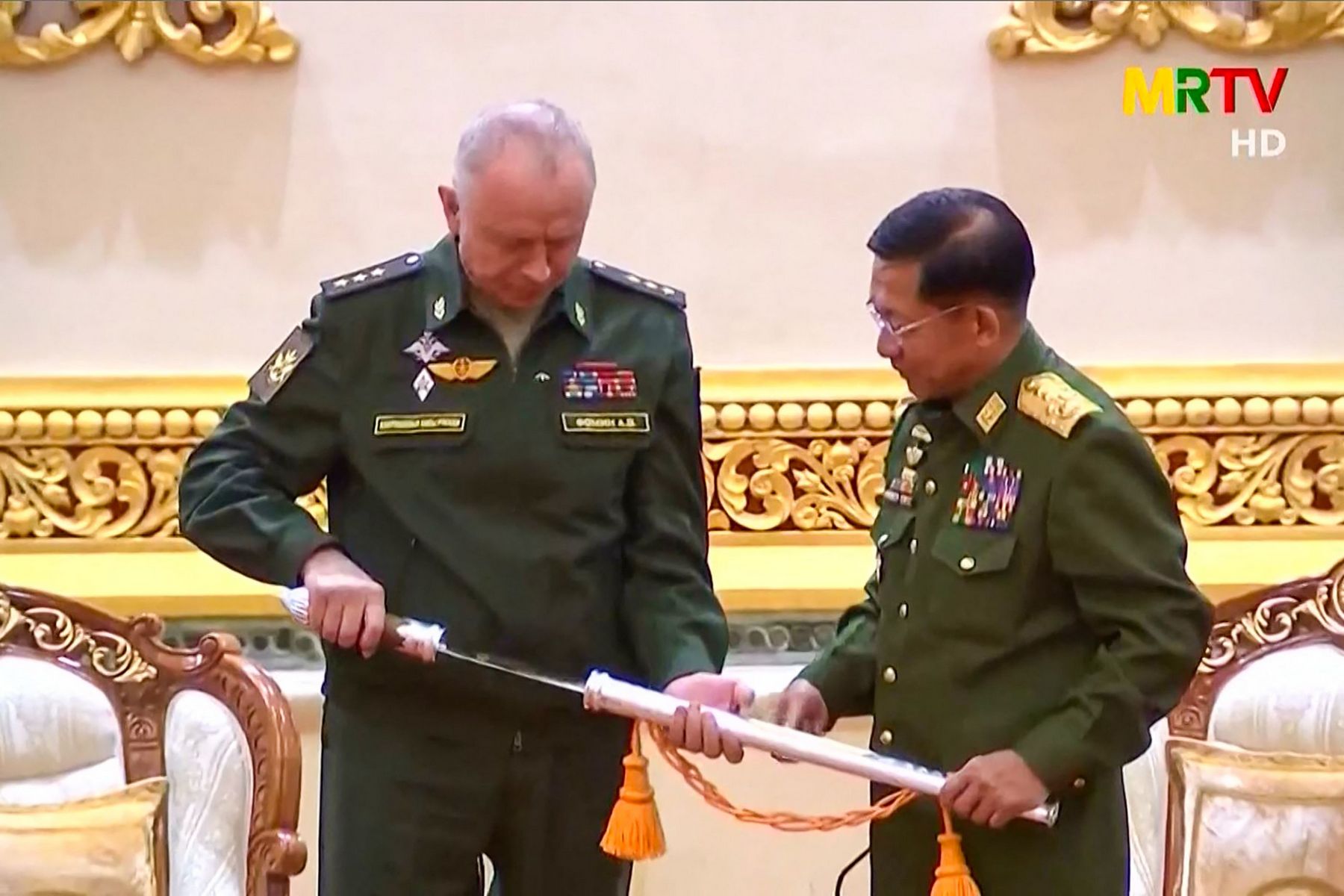
The political climate in Myanmar is at a breaking point. Earlier this month, General Min Aung Hlaing—the man who orchestrated the coup—was sworn in as president. The election that put him there was a total sham. Most of the opposition, including Suu Kyi’s National League for Democracy (NLD), was banned from participating.
By moving Suu Kyi to house arrest, Hlaing is checking a box for international observers. It’s a low-cost concession. China, a long-standing "friend" of Suu Kyi, has been watching closely. This move might be a play to keep regional powers off the junta’s back while they continue to bomb civilian areas in the north.
What Most People Get Wrong About This Transfer
Most news outlets are framing this as a "thaw" in relations. It’s not. If you look at the leaked prison logs from earlier this year, you see a woman who has been suffering from dental issues and chronic pain. The move to house arrest is a preventative measure for the junta. They know that if she dies in a prison cell, she becomes a martyr with a power they can't control. If she stays under "house arrest," they can keep the lid on the narrative.
I’ve seen this script before. The military uses Suu Kyi as a bargaining chip whenever they feel the walls closing in. Back in April 2024, they used a record-breaking heatwave as an excuse to move her. It’s always about their survival, never about her health.
The Red Flags to Watch
Don't celebrate just yet. There are three things that make this move suspicious:
- The Photo: Experts believe the "new" photo released by state media might actually be from 2022. It looks like it was taken during her secret trials.
- The "President": Min Aung Hlaing needs legitimacy. He’s trying to show the world he can be a "kind" leader while his troops commit atrocities in the jungle.
- The Proof of Life: Until a neutral doctor or a family member sees her face-to-face, we shouldn't take the junta’s word for anything.
What Happens Next
The international community needs to stop falling for these minor concessions. Moving an elderly woman from a concrete cell to a guarded house doesn't stop the civil war. It doesn't fix the economy. And it certainly doesn't restore democracy.
If you want to support the people of Myanmar, keep the pressure on for a full, unconditional release. Anything less is just a change of guards. Watch the border regions and the diplomatic moves from the UN. That’s where the real story is happening. The junta is desperate, and a desperate regime is a dangerous one. Don't let a single photo of a bench distract you from the thousands of other political prisoners still rotting in Insein Prison.
Check the latest reports from the Assistance Association for Political Prisoners (AAPP) to see the real numbers. They track the deaths and detentions that the state media ignores. Support local journalists who are actually on the ground risking their lives to tell the truth. That's how you actually help.