Nepal is currently walking a diplomatic tightrope after a group of students at Tribhuvan University reportedly burned copies of Xi Jinping: The Governance of China. What started as a localized protest against Chinese border encroachments has spiraled into a high-stakes investigation by the Ministry of Home Affairs. This is not merely about a few charred pages. It is a flashpoint for the growing tension between Nepal’s sovereign identity and the overwhelming economic gravity of its northern neighbor. The investigation aims to identify the perpetrators while simultaneously signaling to Beijing that Kathmandu can still control the anti-China sentiment brewing within its borders.
The Spark in the Academic Heart
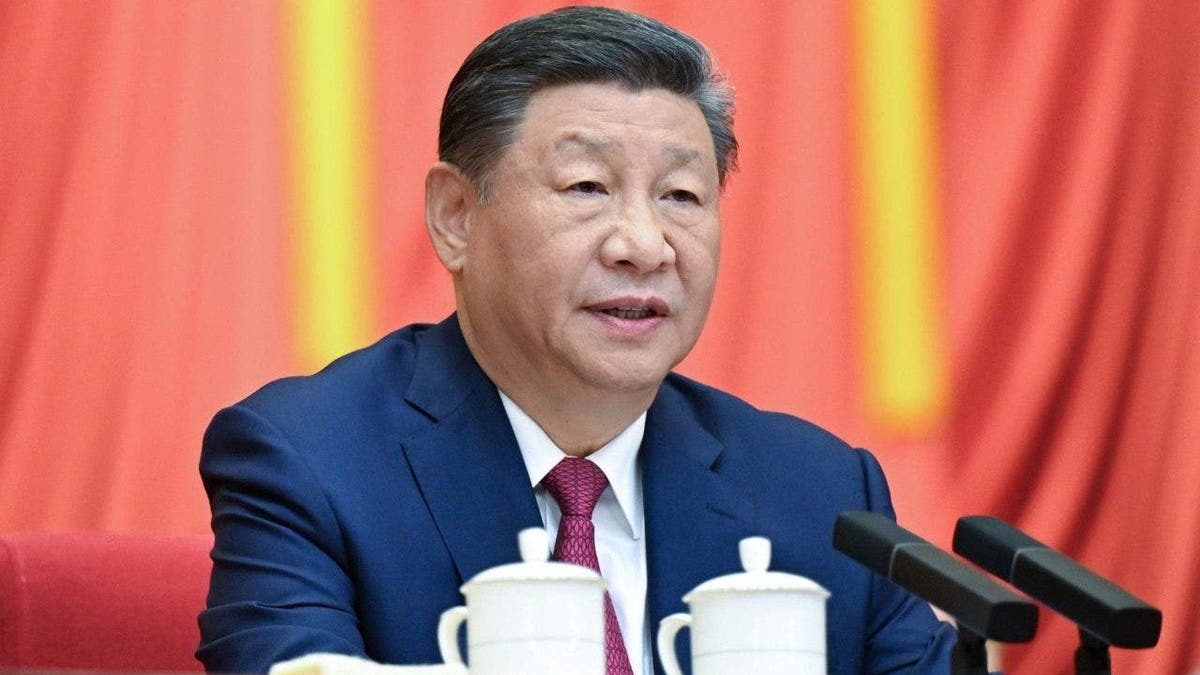
Tribhuvan University has long been the barometer for Nepali political shifts. When smoke rose from the Kirtipur campus, it wasn't just paper catching fire; it was a rejection of the perceived "soft power" Beijing has spent billions to cultivate. The book in question, a multi-volume collection of the Chinese President's speeches and philosophy, is a cornerstone of China's global branding. To the students who doused it in kerosene, it represented an unwanted ideological export.
Government officials moved with uncharacteristic speed. Within hours, security agencies were tasked with scanning CCTV footage and interrogating student union leaders. The urgency reveals a deep-seated anxiety within the Nepali leadership. They are acutely aware that China views the desecration of the President’s image or words as a personal affront to the Communist Party of China (CPC). In the halls of power in Kathmandu, the fear is that this bonfire could lead to cooled relations, delayed infrastructure projects, or tightened border crossings that strangulate local trade.
The Border Friction Beneath the Surface
To understand why a book became the target, one must look at the Humla district. For years, reports have trickled out of the Himalayas alleging that Chinese security forces have moved border pillars and constructed buildings on Nepali soil. While the official stance from the Nepali government has often been one of cautious denial or "ongoing verification," the public perception is far more volatile.
The students involved in the burning explicitly cited these border disputes. They see the "Governance of China" as a manual for expansionism rather than a guide for mutual development. This sentiment is amplified by a growing sense of "debt-trap" anxiety. While Nepal has signed onto the Belt and Road Initiative (BRI), the lack of visible progress on major projects like the Trans-Himalayan Railway has left a vacuum filled by skepticism. When the promises of the BRI remain on paper, the paper itself becomes a target for frustration.
Soft Power or Hard Pressure
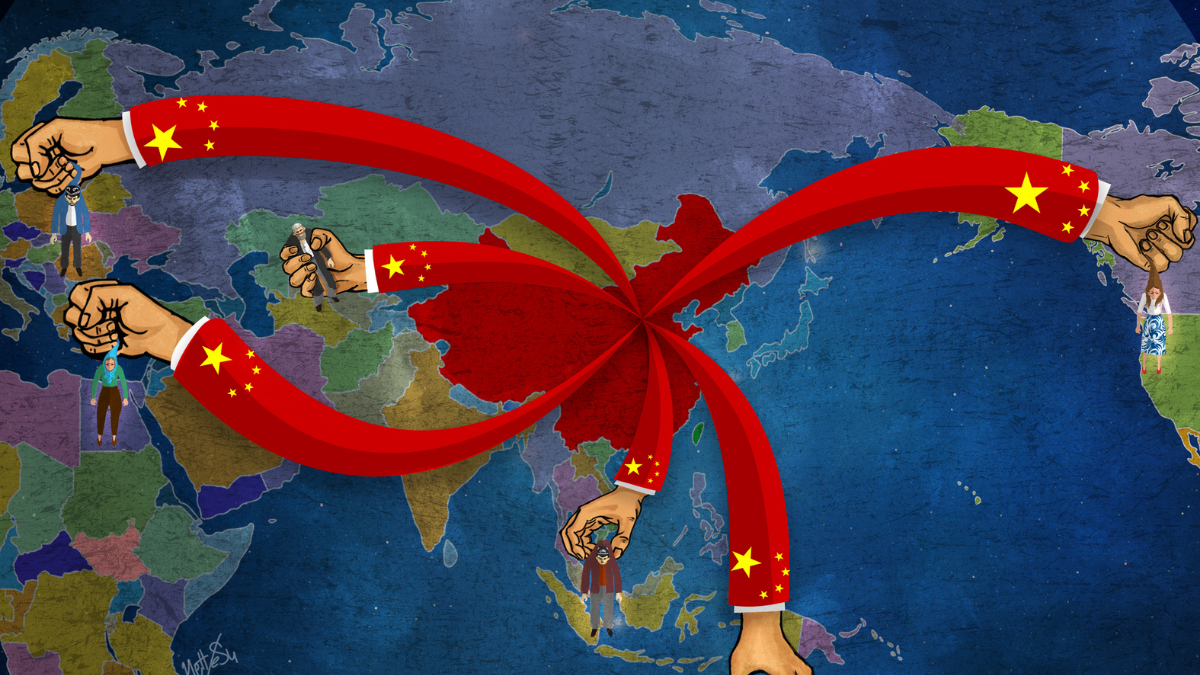
Beijing’s strategy in Nepal has shifted significantly over the last decade. It moved from a policy of non-interference to active political engineering, often attempting to broker unity between Nepal’s various communist factions. This "proactive diplomacy" includes the widespread distribution of Xi’s books to libraries, universities, and government offices.
The Translation Offensive
China has invested heavily in translating Xi’s works into Nepali. These aren't just books; they are artifacts of a specific political model. By placing these volumes in the hands of the Nepali intelligentsia, Beijing seeks to normalize its authoritarian developmentalism as a viable alternative to the messy, often stalled democracy of Nepal.
The Pushback
The burning at Tribhuvan University suggests that this ideological transplant is failing to take root. The younger generation of Nepalis, highly connected via social media and increasingly nationalistic, views these efforts as patronizing. They are less interested in the "China Model" and more concerned with the sovereignty of their own mountain passes. The investigation, therefore, is an attempt by the state to suppress a grassroots movement that threatens the delicate equilibrium of Nepal’s "Yam between two boulders" foreign policy.
The Digital Echo Chamber
Information about the protest spread through TikTok and Telegram faster than the police could arrive at the scene. This digital footprint has become the primary tool for the investigation. Authorities are reportedly using data from local cell towers to pin down exactly who was present during the incident.
This crackdown highlights a shift in Nepal’s internal security apparatus. There is an increasing reliance on surveillance technology, much of it ironically sourced from Chinese firms like Hikvision and Dahua. The irony is thick: the state uses Chinese technology to hunt down those who burned a Chinese leader's book. This loop of surveillance and protest is creating a climate of fear among student activists, who now face the prospect of "anti-state" charges for what was essentially a symbolic act of defiance.
Geopolitical Stakes for the Deuba Administration
The current government finds itself in a precarious position. If they prosecute the students too harshly, they risk a domestic backlash and accusations of being a puppet of Beijing. If they do nothing, they risk a "diplomatic freeze" from a neighbor that provides essential goods and investment.
The investigation is a performance. It is designed to satisfy the Chinese Embassy’s demand for "accountability" while hoping the public's short memory will eventually allow the charges to be quietly dropped or downgraded. However, Beijing’s patience is thinning. They have seen similar sentiments in Pakistan and Sri Lanka, and they are increasingly unwilling to tolerate public disrespect in what they consider their "backyard."
The Economic Toll of Displeasure
Trade at the Rasuwagadhi and Tatopani border points has been notoriously inconsistent since the 2015 earthquake and the subsequent pandemic. Nepali traders often complain of "unofficial blockades" where Chinese authorities slow down cargo under the guise of technical issues or health protocols.
Many in the Kathmandu business community believe these slowdowns are calibrated to political events. A protest in the capital often correlates with a sudden "glitch" at the border. By investigating the book burning, the Ministry of Home Affairs is effectively trying to keep the wheels of commerce turning. It is a cynical but necessary calculation in a country where the cost of living is tied directly to the transit of containers through the Himalayas.
A Legacy of Fire and Ink
Burning books is a visceral act that carries heavy historical baggage. In the context of the Himalayas, it mirrors the struggles of the Tibetan diaspora, which has long used self-immolation and the burning of flags to protest Chinese policy. By adopting these tactics, Nepali students are signaling a solidarity with other Himalayan peoples that the government in Kathmandu finds deeply inconvenient.
The investigation will likely produce a few scapegoats. A few student leaders may spend a night in custody, and a formal apology may be issued through diplomatic channels. But the embers of this incident will remain. You cannot incinerate an idea, nor can you use a police investigation to force a population to respect a foreign leader's manifesto. The "Governance of China" may be back on the shelves of the university library by next week, but the trust that Beijing sought to build has already gone up in smoke.
Monitor the upcoming joint border committee meetings; the tone of those discussions will reveal the true cost of those few charred pages in Kirtipur.