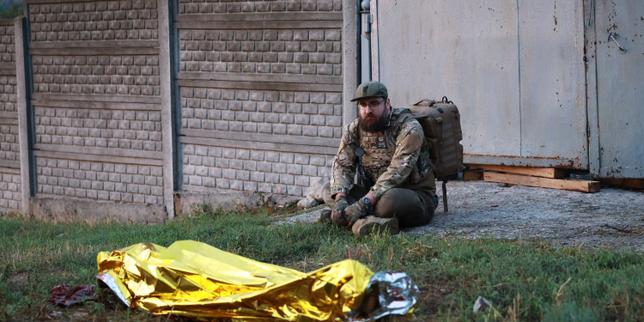
The siren wails aren't just background noise anymore; they're a grim rhythm defining daily survival across the Zaporizhzhia oblast. When local authorities confirmed yet another fatal Russian strike hitting civilian infrastructure in the region, it wasn't an isolated tragedy. It was part of an escalating campaign that continues to squeeze the life out of frontline communities. You see headlines flashing across news tickers every day, but the raw reality on the ground in southern Ukraine is far messier and much more brutal than a brief bulletin can convey.
If you want to understand why this specific sliver of Ukrainian territory matters so intensely right now, you have to look beyond the casualty counts. Zaporizhzhia sits right at the intersection of heavy industrial power, agricultural lifelines, and immense military positioning. Every strike here isn't just about destroying a building. It's a calculated chess move designed to shatter morale, paralyze logistics, and keep the pressure cooker sealed tight.
The Strategic Weight of the Zaporizhzhia Blast Zone
Why target Zaporizhzhia repeatedly? Military analysts often point to its unique geography. It bridges the eastern and southern fronts, acting as a crucial logistical highway for both defending Ukrainian forces and occupying Russian units. When a missile or drone hits an apartment block or a municipal utility point in the region, the ripple effects stretch far beyond the immediate blast radius. Water systems fail, power grids flicker, and the psychological toll on residents multiplies.
Local officials have been sounding the alarm for months. Emergency services work under constant threat of double-tap strikes—where rescue workers become the second target minutes after arriving at a scene. It's a terrifying environment. You're dealing with a population that has learned to read the sky better than any radar system, scrambling for basements and makeshift shelters at the faintest whistle overhead.
The human cost gets buried under strategic jargon sometimes. We talk about contested zones, supply lines, and artillery duels. But behind those terms are families burying loved ones in hasty ceremonies, towns stripped of basic electricity, and children doing remote schoolwork by the feeble glow of battery-powered lamps.
Beyond the Frontline Statistics
Most mainstream reports stop at the numbers. One dead. Three wounded. Infrastructure damaged. But numbers strip away the texture of what's actually happening. Local volunteers working in the oblast tell a different story. They talk about elderly residents who refuse to evacuate because their entire lives are tied to a small plot of land, even if that land is now effectively a war zone.
The agricultural sector here takes a massive beating too. Zaporizhzhia isn't just a defensive bulwark; it's prime farming country. Unexploded ordnance litters the fields, turning the simple act of harvesting wheat into a lethal gamble. Farmers mount mine rollers onto tractors, risking their lives just to bring in a crop that feeds domestic and international markets.
When you track the cadence of these strikes, a pattern emerges. They intensify whenever diplomatic talks stall or when weather conditions shift on the battlefield. Moscow aims to test the breaking point of local endurance, hoping that winter cold and relentless bombardment will fracture Ukrainian resolve. Yet, the opposite tends to happen. Communities adapt, repair crews move in with astonishing speed to patch blown-out transformers, and life somehow drags forward.
What Lies Ahead for the Southern Front
The situation in Zaporizhzhia isn't resolving itself anytime soon. As long as the broader conflict grinds on, this oblast will remain a primary target for aerial assault. Air defense systems save lives daily, but no shield is one hundred percent effective against the barrage of glide bombs and ballistic missiles deployed across the southern axis.
Supporting the people caught in this crossfire requires more than passing sympathy. Local aid networks and international NGOs keep channels open, delivering generators, medical supplies, and building materials to patch up shattered homes before freezing temperatures settle in. Staying informed means looking past the surface-level reports and recognizing the daily endurance required just to survive in a war zone that the world has slowly learned to normalize. Keep your eyes on the ground reality, because that is where the true weight of this conflict is being carried.

