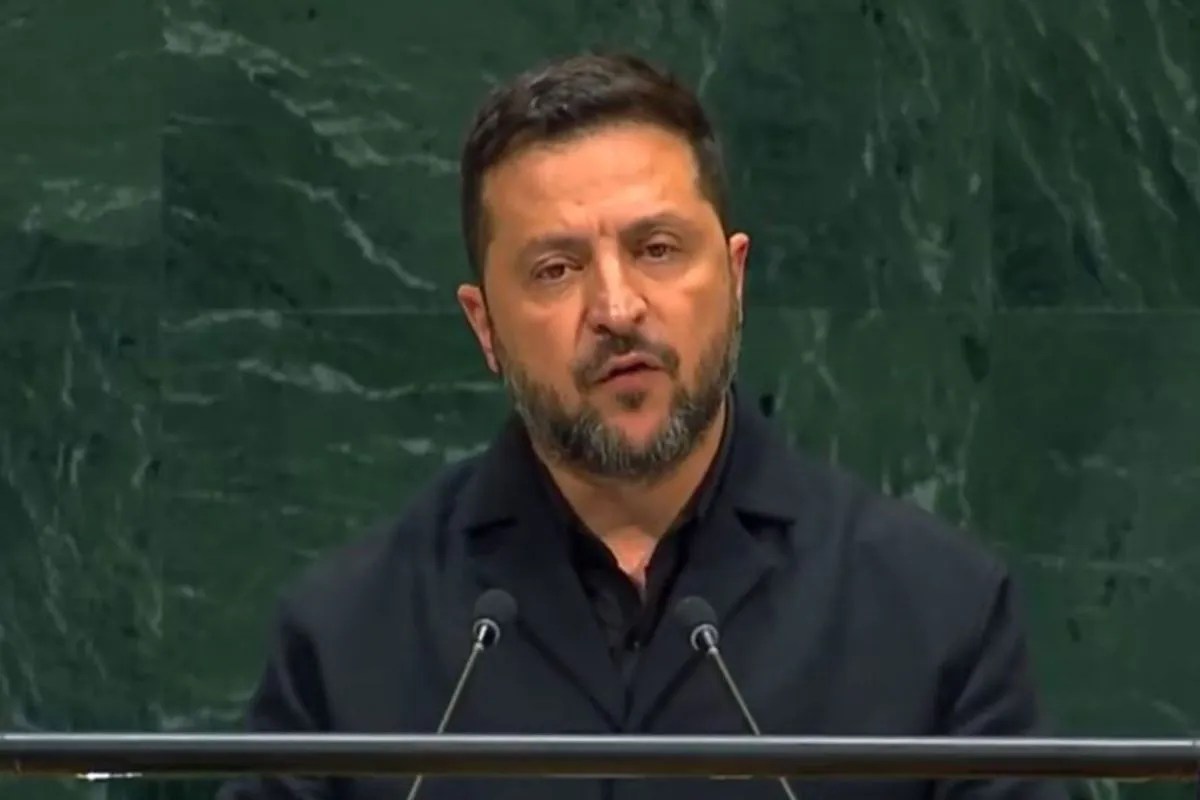
Enough is enough. When Volodymyr Zelensky declares an end to any informal or temporary pause on hitting Russian energy infrastructure, the real story isn't just another dramatic headline out of Kyiv. It's a cold calculation about money, fuel, and leverage.
For months, analysts and diplomats debated whether restraint around oil refineries and power grids was real, rumored, or simply a temporary lull driven by weather, logistics, or shifting battlefield priorities. A so-called energy truce never happens in a vacuum. When a leader says they're done holding back on Russian refineries, they're signaling that economic pressure and supply bottlenecks matter just as much as trench lines. Also making headlines recently: The Night the Reservations Disappeared.
Honestly, people who treat refinery strikes as mere fireworks miss how modern warfare actually grinds down a country's war machine. Fuel keeps trucks moving, powers rear-area logistics, and brings hard currency back into state budgets. Hit the refining and export chain repeatedly, and even a massive economy starts feeling friction where it hurts.
What an Energy Truce Actually Means on the Ground
Let's get real about the phrase "energy truce." There hasn't been a neat, signed treaty sitting on a table with ink drying while both sides politely spare power plants and refineries. Instead, energy restraint in conflicts like this usually looks like a mix of unspoken limits, Western diplomatic nudges, temporary pauses after heavy winter exchanges, or shifts in strike targeting toward air defenses, troop concentrations, and weapons depots. More details regarding the matter are covered by TIME.
When Zelensky says enough is enough and points back toward Russian refineries, he's blowing up any lingering illusion of quiet restraint. Even if a truce was partial, informal, or mostly talked about behind closed doors, formally declaring it over resets expectations on every side.
Refineries are juicy targets for a very specific reason. They sit at the choke point between crude oil pulled out of the ground and usable fuel like gasoline and diesel. You don't have to wipe out an entire oil field to cause headaches. Knock out distillation units or storage tanks at key facilities, and suddenly fuel distribution gets messy, domestic prices face strain, and export logistics take a hit.
Still, I wouldn't jump to thinking a few drone or missile strikes instantly collapse Russia's energy sector. That's wishful thinking. Russia has vast geography, deep industrial redundancy, and experienced repair crews who can patch damaged equipment faster than many outsiders expect. Strikes create friction, delays, and extra costs. They rarely produce overnight miracles.
Why Russian Refineries Are Such a High-Stakes Target
If you follow energy markets or defense reporting, you've probably noticed why refineries draw so much attention compared to raw crude pipelines. Crude oil can often be rerouted or shipped out in bulk, whereas refined products need specialized processing and local distribution.
When Kyiv targets Russian refineries, three things happen at once:
- Domestic supply squeeze: Seasonal demand, agricultural needs, and military transport all compete for refined fuel inside Russia. Disruptions can force export restrictions or push wholesale and retail fuel prices upward.
- Revenue and tax pressure: Energy exports and domestic fuel taxes form a huge pillar of state financing. Anything that trims refined output or forces cheaper crude sales chips away at fiscal breathing room.
- Air defense stretch: Protecting sprawling energy sites across hundreds of miles forces Moscow to spread air defense batteries, radar systems, and interceptor missiles thin across many targets instead of concentrating them solely on the front line.
From a military planner's seat, that third point is huge. Air defense is always a numbers game. Every launcher stationed near a refinery in western or central Russia is a launcher not guarding an airfield, command post, or forward unit.
At the same time, there's a flip side nobody should brush past. Hitting energy infrastructure carries escalation risks and economic ripple effects far beyond the immediate blast zone. Global oil traders watch every strike headline closely because fears of supply shocks can move crude prices even when actual barrels lost are modest. Energy markets run on nerves just as much as supply and demand.
The Bigger Geopolitical Tug-of-War Behind Energy Strikes
Why make a loud public statement about ending an energy truce right now? Timing in wartime communication is rarely accidental.
First, it sends a message to allies and partners. Western capitals have long walked a tightrope between supporting Ukraine's defense and worrying about spike risks in global energy markets or escalation dynamics. By openly stating that restraint on Russian refineries is over, Kyiv is staking out its own strategic autonomy rather than waiting for permission.
Second, it speaks directly to Moscow. Publicly warning that strikes on refineries are back on signals a refusal to let Russia enjoy a quiet rear area while continuing pressure on Ukrainian cities and energy grids. Remember how harsh winters have tested Ukraine's own electricity and heating systems. When your own power grid gets hammered, tolerating a comfortable energy status quo across the border becomes politically and militarily hard to defend.
Third, it shapes public morale at home. Citizens enduring blackouts, air raid alerts, and economic strain want to see that the cost is being pushed back onto the aggressor's territory and economy. Tough rhetoric paired with tangible strike capability gives people a sense of pushback, even when the war remains brutal and slow.
Let's be honest, though. Tough talk doesn't erase hard constraints. Long-range strike campaigns depend on drone production, munition stockpiles, intelligence accuracy, and route planning through dense air defenses. A declaration changes posture and expectations immediately, while physical impact unfolds week by week.
Common Misconceptions About Refinery Strikes and Energy Truces
Whenever energy headlines spike, a few myths tend to recycle across social media and cable panels. Calling them out helps keep your perspective grounded.
One big misconception is that any "energy truce" meant total peace around all energy assets. Usually, discussions around energy restraint focus on specific categories—like major power generation or export terminals—and even then, enforcement is messy and disputed. Assuming a total ceasefire existed before this announcement leads to bad analysis.
Another myth is that hitting a refinery permanently knocks it offline. In reality, many facilities experience partial shutdowns, repairs, and restarts over weeks or months. What matters most isn't a single dramatic video clip; it's cumulative throughput over time and whether bottlenecks start compounding.
People also sometimes assume that striking Russian refineries automatically causes a massive global oil price spike. Crude markets react to global balances, OPEC+ decisions, shipping routes, and broader macroeconomic demand—not just one country's refining capacity. A strike might lift refined fuel margins or create regional tightness without doubling global crude overnight.
How to Track What Happens Next Without Getting Whiplashed
If you want to follow this story smartly over the coming weeks instead of getting swept up in daily noise, focus on concrete signals rather than hype.
- Watch verified damage and throughput reporting: Look for credible satellite analysis, independent energy trackers, and multiple corroborated reports rather than unverified social media claims.
- Separate rhetoric from operational tempo: Notice whether public statements about ending a truce are followed by sustained, multi-site strike patterns or isolated incidents.
- Track energy and transport indicators: Keep an eye on fuel export restrictions, refined product prices, and shipping adjustments rather than reacting to every rumor.
- Monitor retaliatory energy pressure: Pay attention to how Moscow responds around energy grids and critical infrastructure, since tit-for-tat dynamics often shape the next phase of escalation.
Wars of attrition reward patience and clear-eyed observation. When Zelensky says the energy truce is over and strikes on Russian refineries are back on the table, he's putting energy back front and center as a weapon of pressure—and the real test will show up in logistics, budgets, and air defenses over time.



