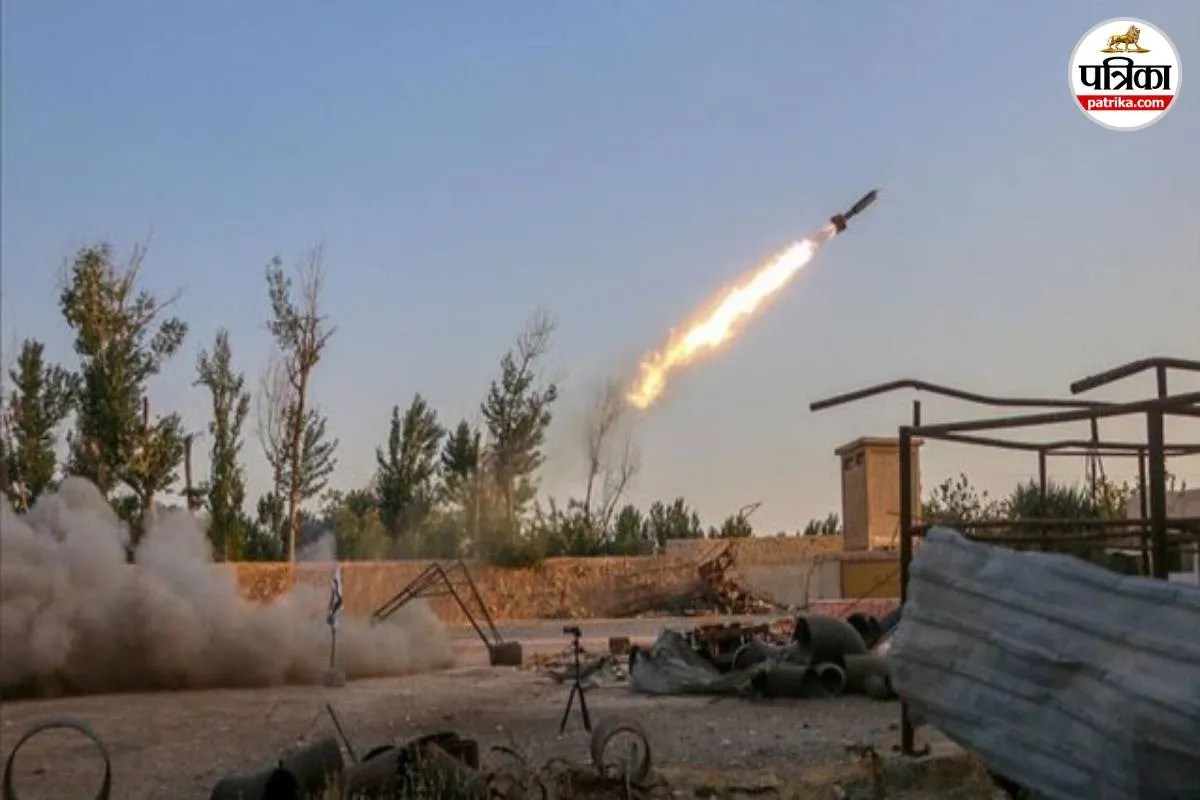
Strategic planning within military assistance frameworks often relies on a fundamental friction between legislative intent and administrative execution. Recent Department of Defense disclosures regarding the allocation schedule for four hundred million dollars in congressionally approved aid to Ukraine illustrate this structural tension. Rather than functioning as an immediate injection of combat resources, the current fiscal roadmap projects final capability delivery stretching out to fiscal year 2029. Evaluating this timeline requires examining the mechanics of procurement latency, the constraints of industrial capacity, and the systemic variables dictating modern state-level defense support.
The Mechanics of Procurement Latency
The distance between statutory appropriation and tactical deployment is governed by administrative and industrial bottlenecks. When funds are authorized by the legislative branch, they transition through several discrete operational phases:
- Statutory release by the executive branch and internal Department of Defense apportionment.
- Contracting formulation, vendor bidding, and technical specification alignment.
- Industrial manufacturing queues, component sourcing, and quality assurance testing.
- Logistics coordination, transport, and final integration into active theater inventories.
The Department of Defense framework for the four hundred million dollar package divides resources into distinct functional buckets: two hundred million dollars allocated for weapons, ammunition, and explosives; ninety-nine million nine hundred thousand dollars designated for vehicles, spare parts, and equipment; and one hundred million dollars reserved for auxiliary services, including transport. Each category travels along a different supply chain velocity. While minor tactical gear or readily available stock can transit quickly, specialized ordnance and heavy vehicle maintenance infrastructure require extended production cycles.
Fiscal Horizons and Strategic Alignment
The projection of final delivery through September 2029 intersects directly with broader political and administrative constraints. Because this terminal date aligns with the conclusion of the current presidential term in January 2029, the prolonged disbursement schedule introduces predictable institutional friction between Capitol Hill and the Pentagon. Legislative oversight committees, including members from both major political parties, have raised objections regarding the velocity of execution, arguing that an active conflict demands compressed procurement windows.
Conversely, administrative planners operate under the constraints of defense industrial base limitations and existing inventory replacement thresholds. When munitions stockpiles drop below statutory readiness minimums, the Department of Defense is legally and operationally restricted from transferring shelf-ready assets without securing backfill contracts. These backfill contracts frequently dictate multi-year manufacturing schedules, particularly for complex interceptor systems and advanced guidance electronics.
Industrial Decentralization and Export Licensing Shifts
To mitigate the systemic delays inherent in direct foreign military financing and centralized U.S. manufacturing, structural adaptations are occasionally introduced into bilateral frameworks. A primary example is the recent policy shift permitting the overseas manufacture of Patriot air defense interceptor systems under specific licensing agreements.
This adjustment addresses a core vulnerability: the spatial mismatch between the geographic point of consumption and the geographic point of production. By decentralizing manufacturing capabilities, allied frameworks attempt to bypass traditional maritime and air logistics chokepoints. However, the efficacy of this strategy depends entirely on the transfer of technical data packages, specialized tooling, and certified quality control mechanisms to recipient nations—a process that itself requires months or years of preparatory engineering oversight.
Budgetary Execution Analysis
| Expenditure Category | Allocated Value | Primary Constraint Variable |
|---|---|---|
| Weapons and Explosives | $200.0 Million | Specialized chemical inputs and propellant availability |
| Vehicles and Spares | $99.9 Million | Heavy manufacturing assembly lines and sub-component lead times |
| Transport and Services | $100.0 Million | Strategic airlift capacity and secure staging logistics |
The divergence between legislative expectation and Pentagon scheduling reflects the inherent limits of applying peacetime bureaucratic processes to wartime support requirements. Lawmakers evaluate aid through the lens of immediate tactical urgency, while defense logicians evaluate the same aid through the lens of long-term inventory sustainability and industrial pacing.
Strategic Execution Pathway
To reconcile multi-year fiscal scheduling with immediate theater attrition, the operational focus must pivot from direct inventory transfers to domestic co-production scaling and localized maintenance infrastructure development. Transitioning procurement from finished systems to localized component assembly reduces reliance on centralized U.S. factory queues and establishes predictable supply metrics independent of shifting congressional cycles.
Trump & Zelensky's FULL Meeting: Patriot Missiles, Putin Peace Deal & Iran Warning
This video provides primary footage of the bilateral discussions between U.S. and Ukrainian leadership addressing military manufacturing frameworks and defense delivery schedules.