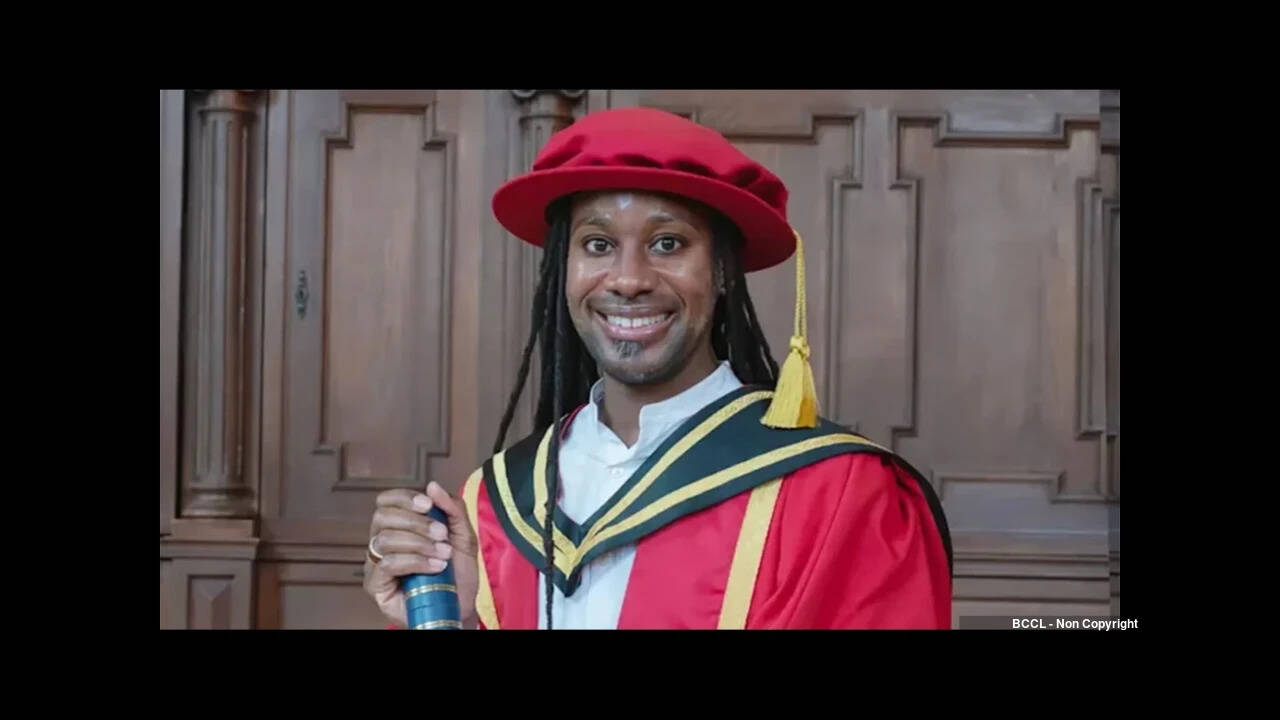
The resignation of Jason Arday from the University of Cambridge following intense scrutiny over his academic output and credential history exposes structural vulnerabilities in elite institutional governance. When a premier university appoints a senior scholar based on an unchecked personal narrative rather than standard evidentiary verification, the failure extends far beyond an individual actor. It reveals a systemic breakdown in credential auditing, driven by institutional incentives that prioritize symbolic corporate public relations over rigorous peer review.
The Information Asymmetry in Senior Appointments
Elite academic recruitment traditionally relies on peer-review mechanisms designed to evaluate research output, grant acquisition, and methodological rigor. However, the appointment process for high-profile professorships often introduces a secondary track governed by institutional signaling. In this parallel system, candidates who embody specific demographic milestones or compelling life narratives are evaluated under relaxed epistemic standards.
When biographical claims are treated as self-authenticating, standard due diligence is bypassed. In Arday's case, allegations regarding duplicated text in his doctoral dissertation, unverified visiting appointments, and exaggerated athletic-fundraising milestones circulated for months before triggering a formal institutional response. This delay highlights a structural protection mechanism: institutions that heavily market a high-profile hire face a high cost of admission when forced to retract or investigate their own endorsement. Admitting an error requires an admission of institutional incompetence, creating a perverse incentive to suppress early warnings and discredit critics.
The Cost Function of Reputational Defense
When external researchers and independent analysts utilized plagiarism-detection software and public records to challenge Arday's publication record, Cambridge's initial administrative reaction was defensive. The university characterized inquiries not as empirical checks, but as coordinated attacks on credibility. This defensive posture exposes a fundamental flaw in modern university risk management.
Institutions calculate risk by weighing the potential fallout of a bad hire against the immediate public relations cost of investigating a celebrated appointment. By choosing to shield the appointment, leadership incurred a much higher deferred cost. Once the volume of discrepancies regarding his publication history, citation overlaps, and institutional affiliations reached a critical mass, the initial defense collapsed, forcing an abrupt resignation and triggering broad internal reviews. The total damage to institutional trust vastly exceeds the localized friction of performing routine background verification prior to appointment.
The Mechanics of Credential Inflation
The controversy surrounding Arday's CV items—ranging from disputed visiting positions to improbable athletic feats—points to a failure of baseline verification standards across the academic sector. In standard corporate recruiting, employment history and educational credentials undergo rigorous third-party screening. In contrast, academic search committees frequently operate under a culture of deference, assuming that senior candidates or institutional intermediaries have already verified basic facts.
This trust-based model assumes that fabrication at a high level is statistically improbable because the social cost of discovery is absolute. Yet, when an appointment serves an urgent institutional marketing objective—such as projecting rapid progress on diversity metrics—the incentive to verify diminishes. The system replaces empirical auditing with narrative alignment. If a candidate's history reinforces the desired institutional self-image, skepticism is suspended.
Restructuring Academic Oversight
The fallout from this case has forced Cambridge and peer institutions to re-examine how senior academic roles are filled. To restore operational integrity, universities must decouple public relations objectives from the appointment workflow.
- Implement mandatory third-party verification of all CV line items, including historical appointments, visiting titles, and grant histories, prior to shortlisting.
- Mandate blind textual audits using standardized forensic software for all doctoral dissertations and key publications submitted by external candidates.
- Establish independent audit committees with the authority to investigate academic misconduct claims without interference from institutional communications departments.
Institutions that fail to operationalize these controls will continue to expose themselves to severe reputational shocks. The strategic imperative moving forward is clear: replace narrative-driven recruitment with radical verification, ensuring that the metrics of academic excellence remain immune to institutional marketing pressures.