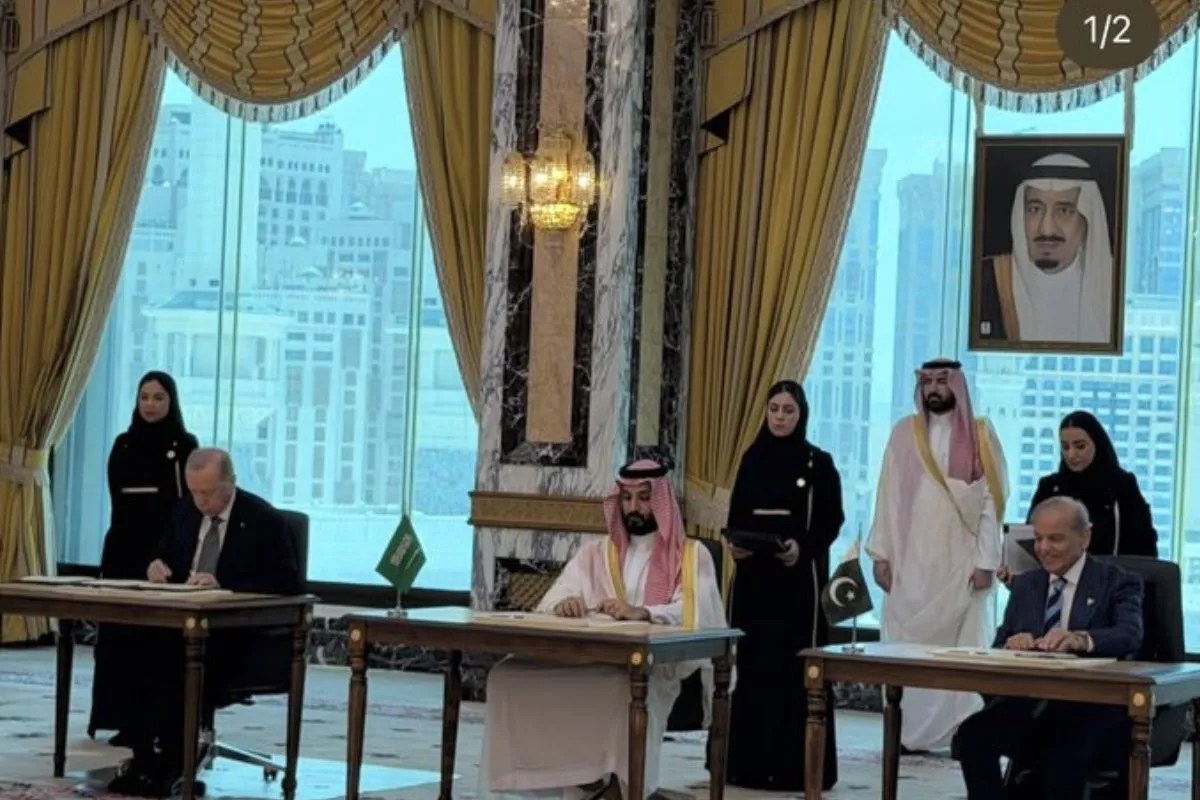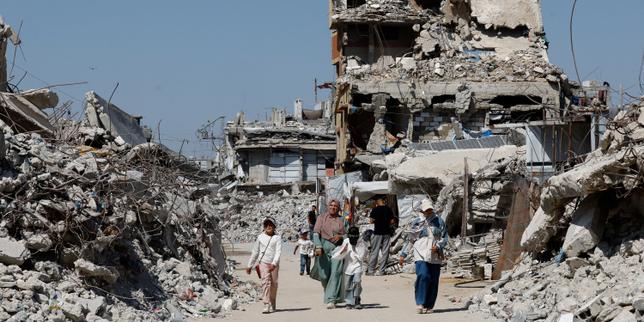
The headline reads like a broken record played on an endless loop. Hamas announces readiness to implement a United States-backed peace plan. The wire services pick it up. The diplomatic corps breathes a collective sigh of relief. Pundits on cable news nod solemnly about a breakthrough, a turning point, a fragile window of opportunity.
It is complete and utter nonsense.
Anyone buying into the periodic theater of compliance misses the fundamental architecture of the conflict. I have spent years tracking international negotiations, watching career diplomats burn billions of dollars and millions of hours trying to apply corporate merger logic to an existential, zero-sum struggle. They treat ceasefires like contract disputes. They look for the sweet spot in negotiations, the compromise where both sides walk away slightly unsatisfied yet victorious.
That framework is a delusion.
The Fallacy of the Negotiated Blueprint
The lazy consensus in international relations holds that peace is primarily a technical problem. The narrative goes like this: if you draw the lines correctly, schedule the troop withdrawals in precise phases, and guarantee enough humanitarian aid, the belligerents will logically choose prosperity over destruction.
This ignores the core incentive structure of asymmetric warfare.
For Hamas, compliance with an external peace framework is never about surrender or permanent de-escalation. It is a tactical pressure valve. When military attrition peaks, diplomatic engagement becomes the weapon of choice. By stating readiness to implement a plan, they achieve three immediate objectives without conceding a single strategic inch.
First, they reset the clock. They buy time to regroup, rebuild underground infrastructure, and replenish supplies. Second, they shift the diplomatic burden of proof onto their adversary. If the opposing government rejects the minutiae of the proposal, they instantly lose the public relations war. Third, they keep the international donor community on the hook, ensuring a steady stream of capital and political sympathy.
To call this a peace process is an insult to the English language. It is a holding pattern.
The Anatomy of a Diplomatic Trap
Let us look at how these US-backed plans actually function in practice. They rely on sequenced phases. Phase one: a temporary truce and hostage exchange. Phase two: sustainable calm and withdrawal. Phase three: reconstruction.
It sounds rational on paper. In reality, it is a sequential trap.
Every single phase requires mutual trust that does not exist. More importantly, each phase contains internal contradictions that guarantee a breakdown before the ink dries. When Washington pushes a blueprint, it assumes both actors operate under the same definition of security. But for a state actor, security means the permanent elimination of an existential threat. For a non-state actor embedded deeply within a civilian population, survival means retaining the capacity to strike, govern, and control the narrative simultaneously.
Imagine a scenario where a corporate CEO tries to merge two companies with entirely different business models, opposing missions, and a mutual mandate to destroy one another. The board room would fire that CEO within an hour. Yet international mediators do this daily, slap each other on the back, and call it diplomacy.
The diplomats are not stupid. They know the plan will fail. The entire exercise is designed for domestic political consumption in Western capitals. It allows politicians to stand at podiums and declare they are doing something, anything, to stop the bleeding, regardless of whether the medicine actually kills the patient.
The Real Question Nobody is Asking
Instead of asking whether Hamas is ready to accept a peace plan, the media should be asking a much more uncomfortable question. Why do we keep pretending that paper agreements override hard military realities?
The honest answer is that acknowledging the futility of these plans shatters the foundational myth of modern diplomacy: the belief that every conflict has a diplomatic solution if you just talk long enough.
Some conflicts do not end because of a negotiated settlement. They end because one side wins decisively, or because the cost of continuation becomes structurally impossible for both parties to bear over a generational timeline. Right now, neither condition applies. Hamas views persistence as victory, while its opponents view eradication as the only baseline for survival.
When those two axioms collide, a United States-backed roadmap is nothing more than expensive toilet paper.
The Cost of Credulity
Every time leaders pretend a breakthrough is at hand, real costs mount.
- The Humanitarian Toll: Prolonged diplomatic cycles create false dawns that delay realistic, hard-nosed tactical assessments on the ground.
- The Strategic Drift: Policymakers spend political capital tweaking clauses in proposals that neither side intends to honor long-term.
- The Erosion of Credibility: Every failed plan makes the next one less believable, eroding the authority of international institutions until they are completely toothless.
I have seen organizations and governments blow millions on strategies built on polite fictions rather than brutal truths. They cling to the process because the reality is too grim to process. It is easier to manage a perpetual crisis with press releases than to admit that the current paradigm of peace-making is completely broken.
Stop looking for the magic document. Stop waiting for the press conference where a militant group mouths the magic words dictated by a foreign embassy. Real stability does not arrive because a mediator drafts a clever memo. It arrives only when the underlying utility of violence is entirely dismantled, piece by bloody piece, leaving no alternative but absolute submission to a new reality.
Until the international community wakes up to that brutal arithmetic, every peace plan is just another setup for the next explosion.