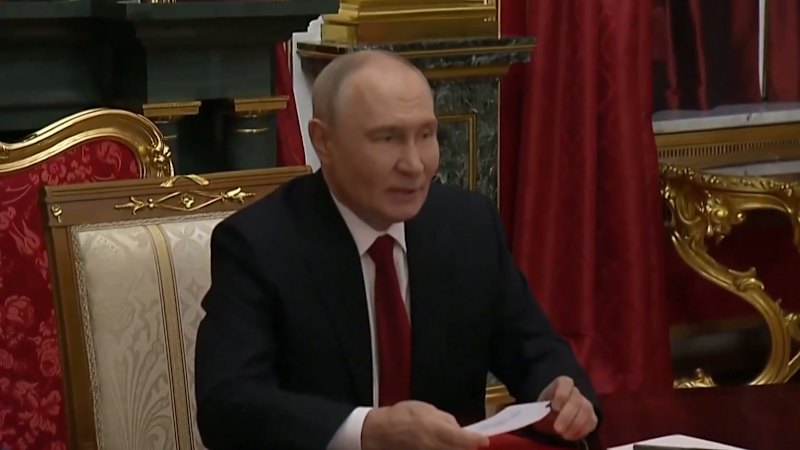
Diplomatic interventions in prolonged interstate conflicts routinely founder when mediators miscalculate the adversary's internal cost function. Recent high-level discussions in Moscow between Russian leadership and American special envoys Steve Witkoff and Jared Kushner, followed by travel to Kyiv, reveal a structural impasse driven by incompatible operational timelines and divergent theories of victory. Surface-level reporting characterizes these visits as a fresh ceasefire bid; a rigorous examination of the underlying strategic incentives indicates an unbridgeable chasm between Washington's appetite for a swift diplomatic win and Moscow's calculus of attrition.
The Asymmetric Incentive Matrix
To understand why temporary cessations of hostilities disintegrate within hours, one must evaluate the core drivers of each actor. The American negotiating strategy relies on bilateral engagement and personal diplomacy to freeze frontlines, treating the conflict as a transactional dispute amenable to rapid mediation. Conversely, the Kremlin evaluates the operational environment through the lens of cumulative battlefield advantage.
Russian strategy currently anchors itself on a fixed timeline: the complete territorial subjugation of the Donetsk region by late 2026. Kremlin decision-making discounts short-term diplomatic overtures because the projected utility of continued military pressure outweighs the perceived concessions offered by foreign intermediaries. When structural goals rely on territorial acquisition, an imposed pause acts as an asymmetric penalty that interrupts momentum while granting the opposing side an opportunity to reconstitute logistical supply lines.
The Mechanics of Tactical Stalling
The recent three-hour and ten-minute summit at the Kremlin generated procedural compliance—such as localized, temporary halts to capital-directed aerial strikes—without shifting fundamental strategic positions. This dynamic exposes a predictable pattern in modern great-power mediation:
- Procedural Reciprocity: Both sides agree to micro-pauses in kinetic targeting strictly to facilitate safe transit for diplomatic delegations, treating the gesture as protocol rather than a peace gesture.
- Maximalist Baseline Constraints: Moscow maintains that its foundational terms—including full jurisdictional control over contested oblasts and permanent neutral status for Ukraine—remain unshakeable.
- The Verification Deficit: Kyiv rejects territorial ultimatums as strategic capitulation, pointing out that historical local ceasefires routinely collapse due to decentralized command structures and competing artillery directives along a thousand-kilometer front.
The sequence of the diplomatic tour itself generated friction within Western alliances. European diplomatic corps noted that bypassing initial consultations with regional coalition partners in favor of direct engagement in Moscow risks signaling premature flexibility on core sovereignty principles.
The Cost Function of Attrition
Peace negotiations fail when the mediator's proposed settlement imposes a higher cost on a belligerent than the continuation of war. For Moscow, the current sanctions regime has been internalized into state economic planning, reducing the coercive power of prospective financial concessions introduced by Treasury representatives operating in parallel tracks. Unless a diplomatic framework alters the military balance on the ground or directly threatens the adversary's capability to sustain operational tempo, structural incentives will favor continued hostilities.
Deploy coercive economic and military leverage that directly targets the adversary's operational timeline, rather than pursuing unverified freezes on frontlines that inherently favor the side currently prosecuting an active territorial offensive.