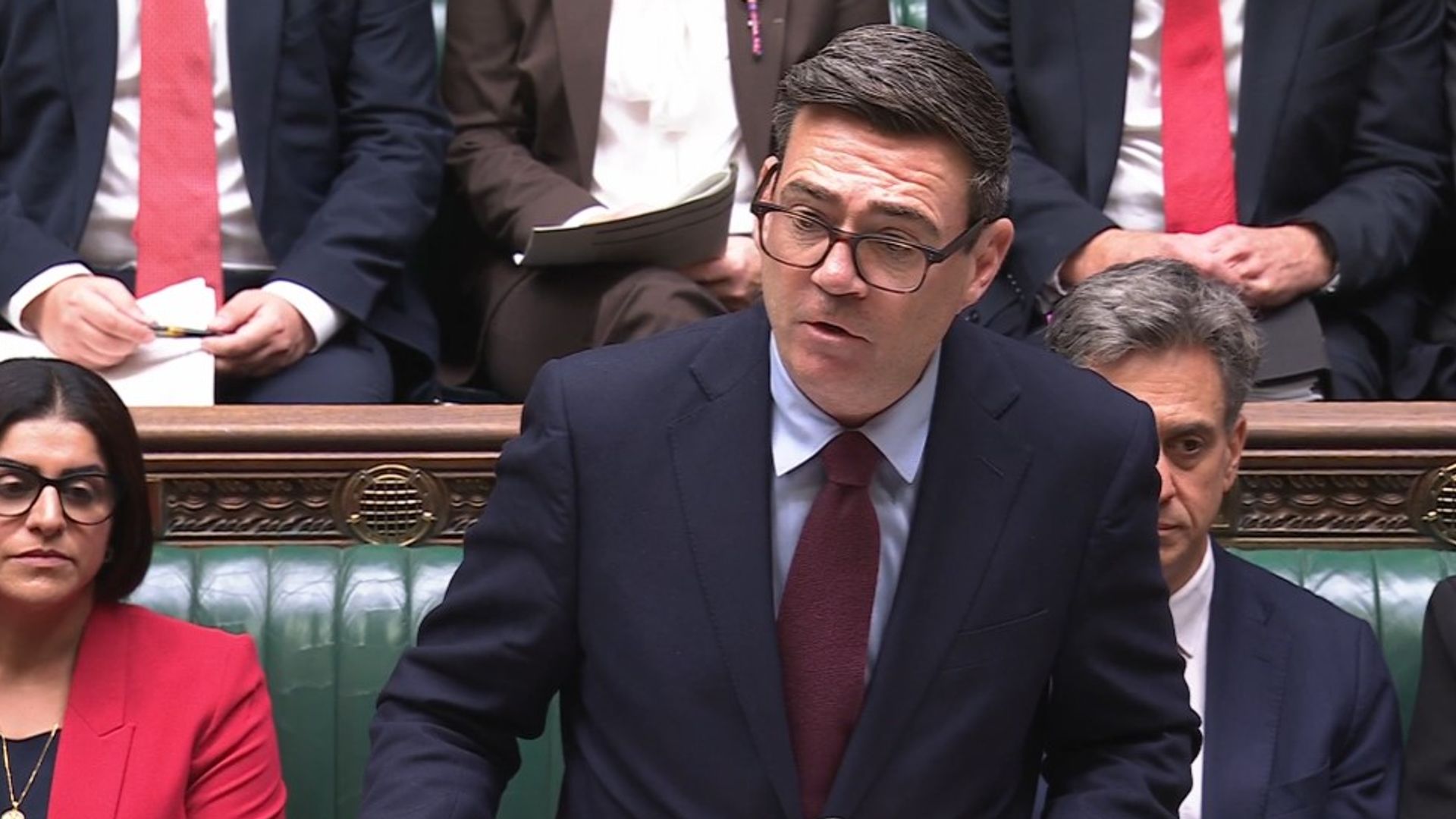
Political comebacks are rarely smooth, but Andy Burnham is currently steering himself straight into a high-stakes collision. Westminster is buzzing about his grand ten-year strategy, yet the internal friction it's causing inside the Parliamentary Labour Party is entirely predictable. When you try to bridge the gap between grassroots expectations and fiscal reality, you end up annoying everyone.
The core issue isn't just about what is written in the upcoming policy blueprint. It's about a deep ideological anxiety brewing among backbenchers who fear the government's long-term vision has been diluted into harmless rhetoric. For a different perspective, consider: this related article.
The Reindustrialisation Dilemma
For months, MPs representing former manufacturing heartlands have demanded a aggressive, state-backed industrial revival. They want massive capital injections, ironclad commitments to domestic supply chains, and a total break from past economic orthodoxy.
Cabinet briefings suggesting a more modest, heavily consulted document have triggered immediate alarm bells. Lawmakers who spent years campaigning on radical change are warning that a watered-down strategy risks becoming nothing more than an empty political slogan. Related analysis on the subject has been published by The New York Times.
When backbenchers feel their constituents are being shortchanged, party discipline fractures. Groups like the Reindustrialisation Research Group are pushing hard for concrete economic intervention. If Downing Street responds with incremental adjustments instead of sweeping reform, the split within the party will widen from a quiet grumble into open rebellion.
Balancing Ambition With Economic Restraints
The wider headache involves squaring big political promises with strict Treasury limits. Crafting a transformative ten-year plan sounds great on a conference stage, but funding it without destabilizing public finances is an entirely different battle.
Ministers caught in the middle face an impossible choice. Push for rapid, expensive transformation and risk a fiscal backlash, or opt for caution and lose the faith of the party's impatient left wing. Burnham insists his vision remains substantial, but skeptics within Westminster remain unconvinced that No 10 has the appetite for the fights required to make it happen.
The coming weeks will determine whether this strategy unites the party or exposes permanent fault lines. Delivering a compelling blueprint is one thing, but keeping a fractured caucus marching in the same direction is where leadership is truly tested.