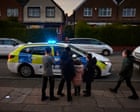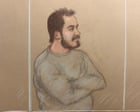
Security failures and political violence dominate headlines when public figures become targets. The legal proceedings surrounding the tragic killing of former British politician Ann Widdecombe took a darker turn when counter-terrorism police laid additional charges against the accused. Joshua Kerry, a 28-year-old from Rotherham, faces accusations that extend far beyond a single tragic encounter. He stands accused of preparing terrorist acts targeting Reform UK leader Nigel Farage, exposing chilling new details about premeditated political violence in the United Kingdom.
Court hearings and Crown Prosecution Service updates revealed a disturbing timeline. Prosecutors outline a case where the suspect allegedly researched prominent public figures and attempted to breach security at Farage's property months prior to the killing. When a crime crosses from a localized tragedy into the domain of ideologically or politically motivated terrorism, the national conversation shifts instantly. It forces a hard look at how well the state protects public figures, especially those holding polarizing or high-profile political stances.
The Intersection of Crime And Terrorism Charges
Investigators do not add terrorism charges lightly. Under British law, the preparation of terrorist acts requires proof of intent to influence a government, intimidate the public, or advance a political, religious, racial, or ideological cause. In this case, prosecutors pointed to digital footprints, surveillance research, and physical reconnaissance targeting high-ranking political figures.
The transition from a murder investigation conducted by local or regional homicide squads to a full-scale counter-terrorism operation highlights a growing vulnerability. Modern politicians operate in an environment of intense hostility. Social media algorithms, radical echo chambers, and extreme polarization create fertile ground for unstable individuals to fixate on public targets. When fixation turns into operational planning, the security apparatus is tested to its absolute limit.
Security Realities For British Politicians
Protecting political figures has always presented logistical nightmares. Unlike heads of state who move within heavily guarded bubbles, British politicians frequently engage in retail politics. They hold town halls, walk through public streets, and maintain open constituency offices. This accessibility forms a core pillar of British democracy, but it leaves politicians dangerously exposed to determined bad actors.
Following high-profile security scares and tragedies, calls for tighter personal protection multiply. Yet, ironclad security for every political figure remains practically impossible without entirely isolating them from the public they represent. Law enforcement agencies constantly balance the right of citizens to access their elected representatives against the harsh reality of modern threat landscapes. When suspects manage to research addresses, conduct dry runs, or bypass perimeter defenses, system-wide reviews inevitably follow.
Understanding The Broader Threat Climate
Public shock over these developments stems from the audacity of the alleged plots. Modern threat assessment units deal with a complex mix of ideological extremists, grievance-driven actors, and mentally unstable individuals who latch onto political figures. The lines between conventional criminality and domestic terrorism blur when an attacker targets political symbols to maximize societal fear.
Law enforcement agencies urge the public and media to avoid speculation while judicial proceedings unfold. Courtrooms must weigh evidence strictly, ensuring that due process prevails even in cases that provoke widespread public outrage. The legal system faces the heavy burden of delivering justice while parsing the complex motives behind acts that tear at the fabric of public life.
Protecting public discourse requires more than just physical barriers and armed guards. It demands a serious reckoning with how political rhetoric fuels dangerous fixations. As the legal process moves forward, the focus remains on accountability, public safety, and the enduring fragility of open democratic societies.