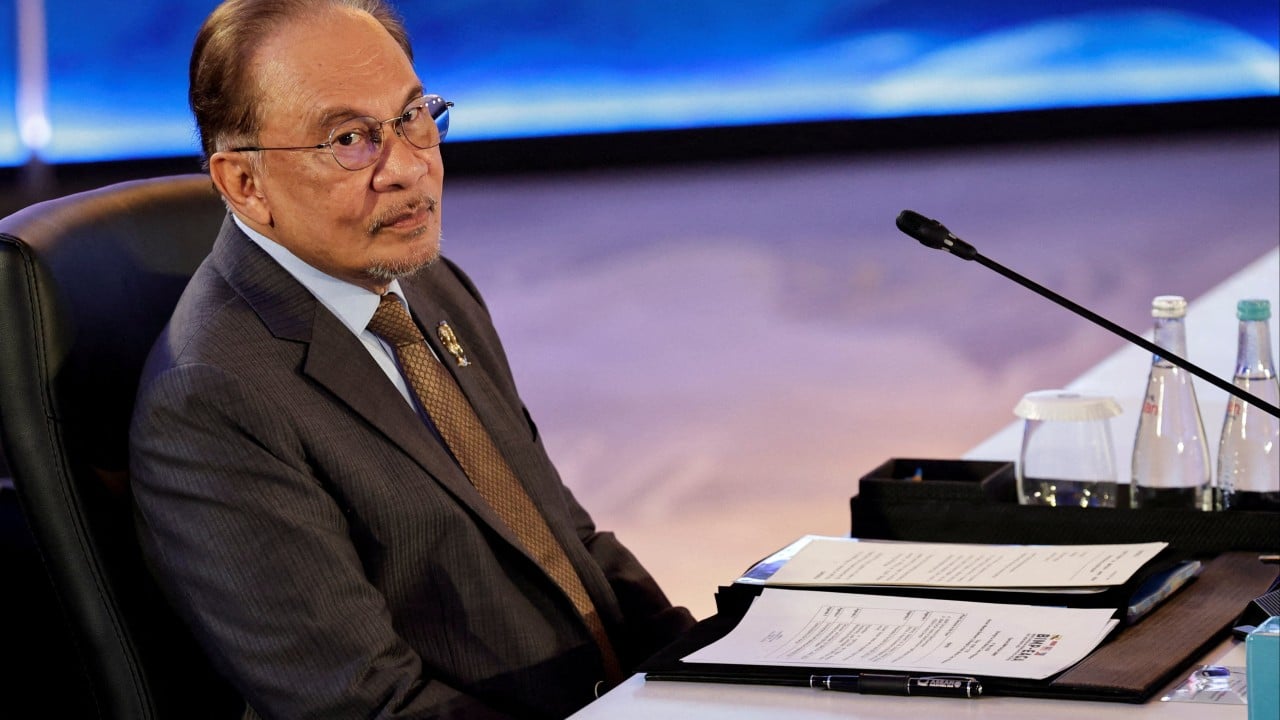
Malaysian politics moves at a breakneck speed, but Prime Minister Anwar Ibrahim isn't rushing into a national contest. Amid brewing coalition friction, regional state polls, and lingering economic anxieties, whispers from Putrajaya suggest the administration is eyeing a later timeline, pushing sights toward late 2027 rather than rolling the dice on an early snap election.
If you've followed Anwar’s decades-long political soap opera, you know he doesn't make moves without calculating the cost. He's weathered prison sentences, fierce street protests, and monumental betrayals. Now that he's finally sitting in the prime minister's office, he's guarding his position with calculated patience.
The Reality Behind the Delay Strategy
Why hold off? Simple survival. The unity government—a shotgun marriage between Anwar's Pakatan Harapan and old rivals like Barisan Nasional—is showing structural cracks. Regional friction has bubbled up, especially with state-level assemblies dissolving and partner parties flexing their muscles independently. When your own house isn't entirely quiet, calling a national mandate is a massive gamble.
Anwar remembers the sting of the 2023 state elections. Voters made it clear that economic pressures and cost-of-living strains trump political rhetoric. Pushing the general election further down the calendar buys the administration breathing room to stabilize inflation, roll out targeted budgets, and let opposition coalitions exhaust their momentum.
Opponents love to frame any hesitation as weakness. That's a rookie misread. In Malaysian parliamentary politics, time is often the incumbent's best weapon.
Managing Fragile Coalitions and Rival Blocs
Running a unity government is basically herding cats while the building is on fire. Anwar has to juggle progressive urban reformers alongside traditional Malay-centric parties like UMNO, all while keeping an aggressive Perikatan Nasional opposition at bay in the heartlands.
Cracks show whenever parties decide to contest regional elections solo or clash over sensitive cultural and religious touchstones. If Anwar went to the polls too early, these unresolved internal contradictions would tear his coalition apart at the ballot box. By keeping everyone tethered to federal power for as long as possible, he forces reluctant allies to stick together out of sheer self-preservation.
Letting rivals overextend themselves is another classic play. Parties that scream loudest on social media often struggle when they have to govern practically. Anwar knows this. Letting the opposition burn through its tactical outrage too early leaves them empty-handed when the actual national campaign kicks off.
What Comes Next for Putrajaya
The calculus for late 2027 rests entirely on macroeconomic stability and fiscal delivery. If global oil supplies hold, inflation cools, and targeted subsidies reach ordinary families without bleeding the national treasury, the narrative shifts. Voters remember who delivered stability when times got tough.
You won't see Anwar capitulate to premature pressure from jittery backbenchers or aggressive opposition stunts. He's playing a multi-year chess match. Keep an eye on upcoming federal budgets and how the administration handles regional friction points. That's where the real election countdown is happening.
Don't expect an announcement anytime soon. Power belongs to whoever controls the clock.
Malaysian PM Anwar says he may hold snap polls if cracks continue
This video provides an overview of Prime Minister Anwar Ibrahim's statements regarding potential snap elections amid ongoing coalition tensions in Malaysia.