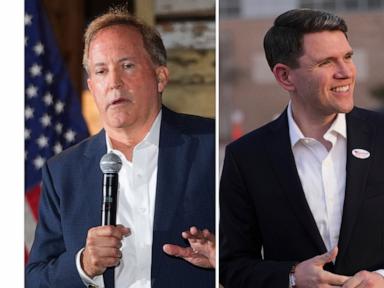
Picture a voter standing inside a chilly, high school gymnasium somewhere along the rugged expanse of the Last Frontier. The fluorescent lights hum a low, nervous frequency overhead. Coffee cools in a thermos on the nearby folding table. Outside, the sub-arctic air carries the sharp scent of pine and oncoming winter, but inside, the atmosphere is thick with a different kind of pressure. This citizen holds a slip of paper that will help steer the balance of power in Washington, District of Columbia. They look down at the names, squinting slightly against the glare. Two lines apart, sitting like mirror images in a hall of optical illusions, are two men offering identical identifiers.
Voter confusion is rarely an accident of history. More often, it is a calculated earthquake.
Consider what happens when a democracy structured around familiarity suddenly turns its own nomenclature against itself. In the high-stakes theater of American midterms, Alaska has long carved out its own eccentric path, utilizing a system where political labels blur and ranked choices rule. Yet, the primary season introduced a surreal plotline that reads less like contemporary political science and more like a satirical novel. Two candidates bearing the exact same name squeezed past the primary threshold, setting up a November showdown that forces voters to read every single syllable with forensic intensity.
The incumbent, Senator Dan S. Sullivan, wears the mantle of a two-term Republican lawmaker backed by party machinery and national endorsements. But sharing airspace on that crucial ballot is Dan J. Sullivan, a retired schoolteacher from the isolated island community of Petersburg. What began as a local administrative headache metastasized into a bitter legal war. State election officials initially tried to bar the challenger, arguing that his filing was an engineered trick to bleed votes from the incumbent. Allegations flew fast from party loyalists who saw a phantom menace designed to siphon support in a tight legislative battleground.
Courts, however, see things through the cold lens of statutory right. The state Supreme Court ultimately cleared the path, ensuring the challenger’s name would sit before voters in the general election.
To understand why this matters beyond the borders of Alaska, look at the mathematics of modern power. The upper chamber of Congress hangs on razor-thin margins. Every seat functions as a heavy timber holding up a massive roof. When an extra contender with identical letters enters the arena, the traditional rules of brand recognition shatter. Political campaigns spend millions of dollars teaching citizens to associate a single proper noun with a specific set of values, policies, and grievances. When that noun is split in two, the currency of identity devalues overnight.
Think of it like a crowded harbor in heavy fog. Captains rely on trusted lighthouse beacons to navigate jagged shoals. Change the lights, even slightly, and ships run aground.
The challenger insists his run stems from independent conviction rather than backdoor sabotage. He has publicly sparred with the incumbent over alignment with national figures, pointing to trade policy and economic pressures. Meanwhile, former local officials and national heavyweights have scrambled to draw distinct lines in the snow, urging the electorate not to lose their way in the ballot booth. Even a former mayor of Anchorage stepped into the fray to clarify who holds the original claim to political pedigree.
Yet, the mechanics of Alaska’s ranked-choice voting system mean this duplication is not just a nuisance; it is an unpredictable variable. In a landscape where third- and fourth-place finishers can dictate the ultimate winner through redistributed preferences, every single ballot cast in confusion carries explosive weight.
History shows that voters hate being tricked, but they despise being treated as though they cannot read the fine print. When the ballots are counted this November, the outcome will reveal whether a shared name was a fatal distraction or merely an extraordinary footnote in a restless political season. The ink dries on the paper, the gymnasium doors swing shut against the cold, and the quiet power of a single name hangs suspended in the balance.