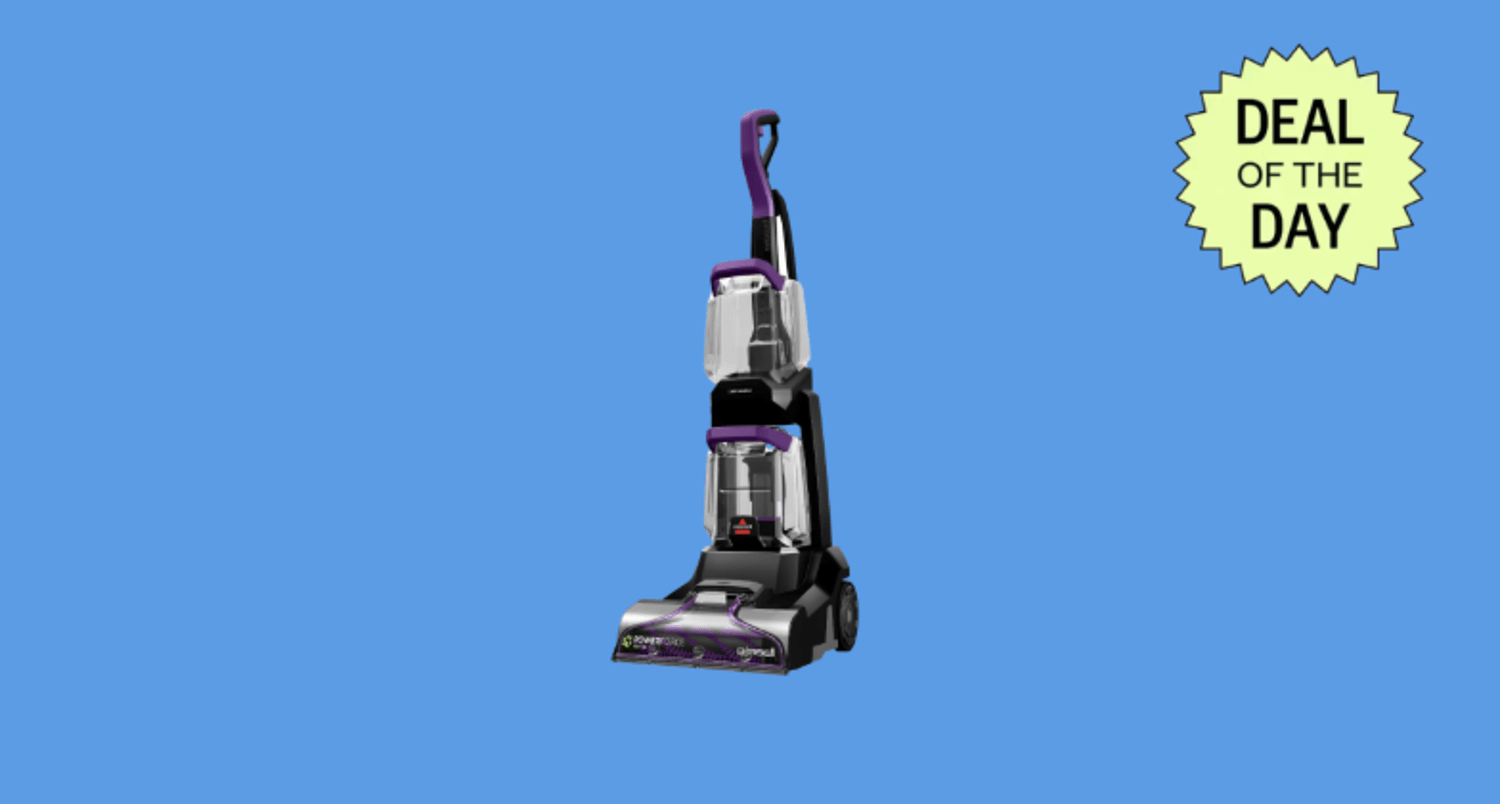
Retailers love a markdown. Shaving one hundred and twenty dollars off a mid-tier floor cleaner at Walmart triggers a primal shopper response. You see the slash, you see the savings, and your brain screams that passing up the deal equates to losing money.
Corporate retail thrives on this specific brand of panic.
I have spent fifteen years tearing down consumer hardware, analyzing manufacturing margins, and watching multi-national brands dump obsolete inventory onto unsuspecting bargain hunters. The lazy consensus says a steep discount equals instant value. That logic falls apart the second you look at the engineering inside the plastic shell.
Discounts on cleaning appliances rarely represent a philanthropic gesture from big-box stores. They represent inventory clearance for units built with intentional obsolescence. When a machine drops by a third of its sticker price overnight, ask yourself a simple question: what did they cheap out on to hit that price point?
The Margin Illusion
Manufacturing a cordless stick or upright vacuum costs fractions of the retail price. Injection-molded ABS plastic costs pennies per pound. Generic brushed motors cost less than a decent restaurant meal. Lithium-ion battery cells, even at commercial grade, run on tight wholesale tiers.
When a brand retails an appliance for three hundred dollars and then happily slashes it to one hundred and eighty, they are not losing money. They are merely hitting their actual floor margin.
Imagine a scenario where a factory in Shenzhen builds a motorized sweeper for thirty-five dollars total, shipping included. Slap a recognizable brand badge on the front, market it aggressively through retail partnerships, and you can comfortably inflate the sticker price to create an artificial anchor. The discount is an illusion designed to manufacture false urgency. You are not beating the system. You are buying a thirty-five-dollar widget at a seventy-percent markup disguised as a clearance event.
The Consumable Trap
The hardware is only the down payment. The real expense lives in the ongoing maintenance loop.
Cheap floor care units fail where stress meets friction. Bearings seize. Brush rolls clog with hair and snap their drive belts. Cheap battery packs degrade past functional capacity within eighteen months because the internal charge controller lacks proper thermal throttling.
When a discount machine dies out of warranty, you face a repair bill that eclipses the clearance price. Manufacturers design these units as single-use commodities. They do not sell individual internal switches or modular motor assemblies. They sell whole replacement units.
If you buy a heavily discounted machine, you are signing up for a replacement cycle every two years. Over a decade, buying three cheap units costs significantly more than investing in a modular, serviceable platform once.
The Power Metric Fallacy
Marketing departments lean heavily on wattage and suction numbers that mean nothing in a real-world living room.
Peak wattage ratings listed on product boxes measure power draw at the moment of ignition, not sustained suction efficiency under load. A motor can spike high on paper while moving minimal air through a restricted nozzle design.
Airflow matters more than static lift. If the seals degrade or the cyclone separation chamber leaks dust into the secondary filter within five minutes of use, the motor chokes. You end up pushing fine particulate back into the air while the machine sounds like a jet engine but leaves pet hair embedded deep in your carpet fibers.
What You Should Do Instead
Stop shopping by price drop notifications. Stop scrolling through digital flyers looking for dopamine hits disguised as savings.
Look for modularity. Look for brands that stock individual replacement parts on their public websites for a decade after launch. If a company treats their appliance like a watch that can be opened, repaired, and kept running, pay the higher upfront cost.
If you cannot afford a serviceable machine today, save your cash. Buying cheap garbage because it is marked down simply guarantees you will spend more money on garbage tomorrow.
The discount is a trap. Step around it.