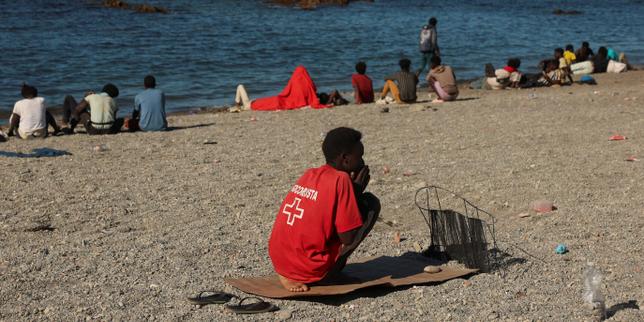
When tens of thousands of people rushed across the Moroccan border into the Spanish enclave of Ceuta, Spanish Prime Minister Pedro Sanchez expected European solidarity. Instead, he got a political firing squad.
The chaotic hours that saw nearly 60,000 migrants swim around breakwaters or scale fences into European territory quickly transformed into a continental blame game. While Madrid managed to push back or oversee the voluntary return of the vast majority of those who crossed within forty-eight hours, EU leaders didn't offer a pat on the back. They pointed fingers.
Twenty-two European governments signed a scathing joint letter targeting Spain. Figures like Italy's Giorgia Meloni and Denmark's Mette Frederiksen openly questioned Madrid's border controls, while Italy even went ahead and temporarily suspended the open-border Schengen agreement for travelers arriving from Spain.
Sanchez fired back, calling the response from his European peers selfish, unlawful, and driven by prejudice and political theater. But his sharp pushback underscores a deeper reality. Europe's political center has fundamentally shifted toward hardline deterrence, leaving Spain's progressive leader entirely out in the cold.
The Anatomy of a Border Flashpoint
Ceuta is a tiny Spanish territory tucked onto the northern coast of Africa. It shares a heavily guarded land border with Morocco, making it a constant pressure point for migration and geopolitical leverage.
The sudden surge caught local security forces completely off guard. Young men, families, and teenagers braved rough seas or climbed barriers as social media rumors fueled speculation about loosened entry rules. Tragically, the human cost was severe, with local authorities reporting dozens of deaths during the rush.
Sanchez rushed to the enclave, deployed the military, and installed a floating sea barrier to block further entry. Working alongside Moroccan authorities, Madrid achieved a rapid reversal. Practically all the individuals who entered irregularly returned across the border or were sent back within days.
No massive wave rolled onto continental Europe. Ceuta sits outside the Schengen zone, meaning strict controls already block automatic onward travel to mainland Spain or the rest of the EU.
So why did Brussels panic?
Blaming Madrid for Broader European Anxieties
European capitals used the Ceuta crisis to put Sanchez's broader migration model on trial. The joint letter organized by Italy and Denmark took direct aim at Madrid's domestic policies, specifically pointing fingers at Spain's recent decision to regularize hundreds of thousands of undocumented migrants.
Critics argued that such large-scale regularizations create a dangerous pull factor, signaling to migrants worldwide that illegal entry can eventually lead to legal status.
The math, however, doesn't support the accusation. Spain's regularization programs explicitly required applicants to prove continuous residency stretching back months prior to the surge. Anyone who swam or scaled the fence into Ceuta on that Thursday was entirely ineligible for the program.
Critics ignored these details. European leaders cared less about the local facts of the Ceuta breach and more about sending a strong message against progressive migration policies.
The Political Isolation of Pedro Sanchez
For years, Sanchez positioned himself as the standard-bearer for a more humane, open approach to migration within the European Union. That stance worked when European consensus tolerated a balancing act between humanitarian aid and border management.
That era is over.
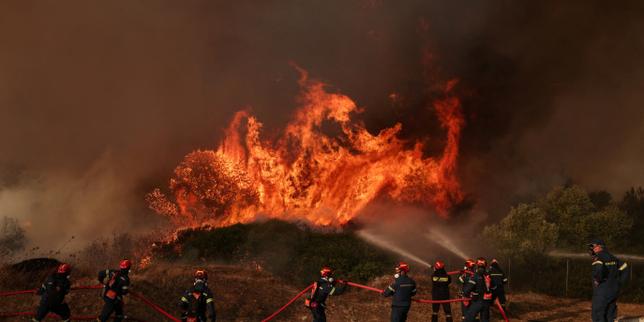
With far-right political parties gaining momentum across the continent and mainstream leaders hardening their stances on border security, Sanchez finds himself isolated. Domestic pressures compound his problems at home, where his government has simultaneously wrestled with devastating wildfires and intense political polarization.
When European interior ministers meet for emergency talks, they aren't just discussing physical fences or maritime barriers. They are negotiating the ideological future of European borders.
Spain proved it could lock down its territory and manage a sudden crisis in under two days. But winning the operational battle on the ground didn't stop European allies from rewriting the political rules of engagement. Expect stricter border scrutiny, louder demands for offshore processing centers, and an even frostier reception for Madrid's policies in Brussels.