You shouldn't ignore what’s happening in the Taiwan Strait right now. Beijing isn't just running routine military exercises anymore. According to Taiwan's Ministry of National Defense and its recent 2026 China Military Power Report, the People's Liberation Army is actively accelerating preparations for a total maritime and air blockade.
If you think an amphibious invasion gets all the headlines, look closer. A choke-off strategy is much more likely, and it's happening right in front of us.
Breaking Down the New Threat Assessment
Taiwan's latest defense filings to the Legislative Yuan point to a sharp pivot in Chinese military tactics. Instead of random posturing, recent drills focus heavily on joint blockades, quarantine simulations, and cutting off external air and sea routes.
The math here is brutal. Taiwan relies entirely on imports for energy and raw materials. Shutting down the western shipping lanes effectively starves the island's economy without a single soldier ever stepping foot on a beachhead.
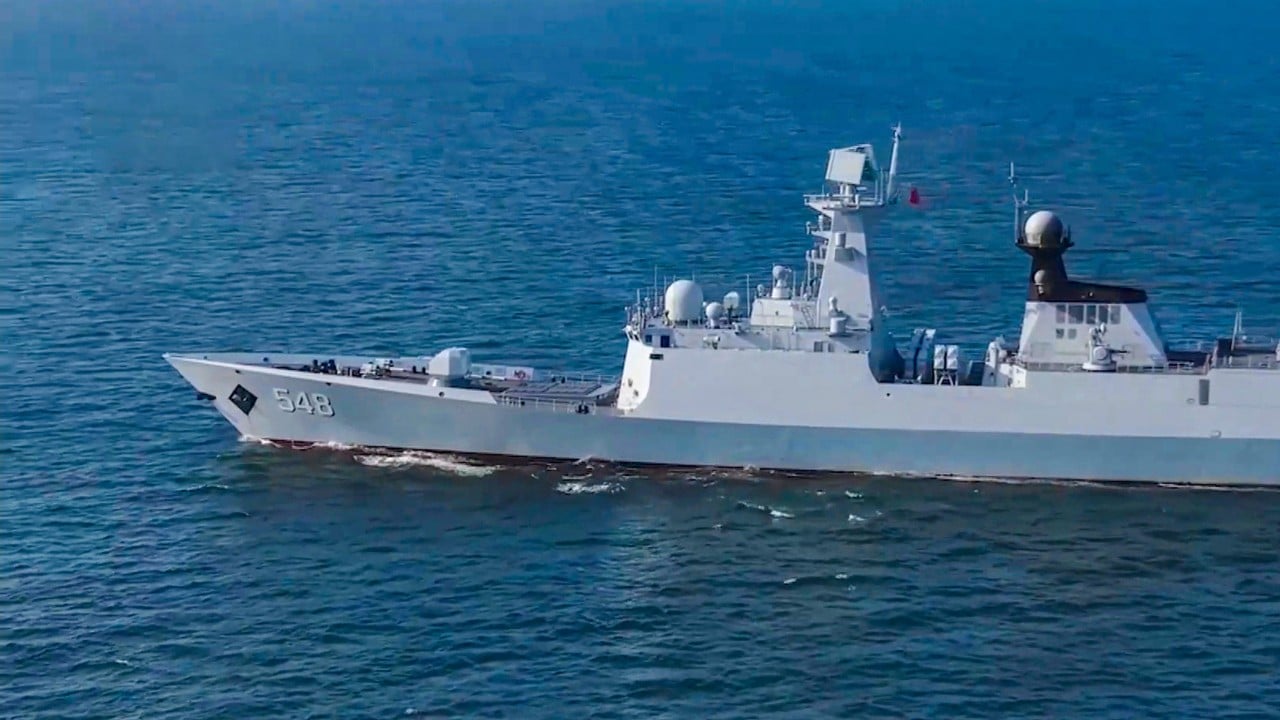
- Air and Sea Interdiction: PLA aircraft and drones routinely cross the median line. Warships now hug the 24-nautical-mile contiguous zone.
- Targeted Hardware Upgrades: China is building specialized landing barges, Type 076 amphibious assault ships, and low-Earth orbit satellite constellations to manage communication blackouts.
- Grey-Zone Pressure: Coast guard patrols are normalizing law enforcement boarding actions right on Taiwan's doorstep.
Experts like Chieh Chung from Taiwan's Institute for National Defense and Security Research note that while a full-scale amphibious assault still faces major hurdles, Beijing's long-term capability building is tracking toward windows opening in the early 2030s. They are playing the long game.
How Taiwan Plans to Fight Back
You can't just sit and wait when a superpower tries to choke your supply lines. Taipei is heavily revising its defense posture to counter these exact scenarios.
Taiwanese strategy now revolves around protecting eastern corridors. When western ports face immediate closure during a crisis, naval and coast guard assets form defensive screens to shepherd vital cargo ships carrying liquefied natural gas and emergency supplies through eastern routes.
At the same time, the military is doubling down on tech upgrades. They are integrating AI-supported decision-making tools into command networks and upgrading C5ISR infrastructure to handle intense cyber and electronic warfare.
The Global Stakes
Why should this matter to anyone outside Taipei or Beijing? A blockade of Taiwan isn't a localized border skirmish. It’s an economic trigger that would instantly freeze the global semiconductor supply chain. TSMC manufactures the chips powering everything from your smartphone to advanced hospital equipment. When those factories lose access to imported fuel and raw materials, global tech manufacturing stops dead.
Beijing is laying the legal, technological, and tactical groundwork right now. Dismissing these drills as mere theater is a dangerous mistake. The preparations are real, the drills are scaling up, and the margins for error are shrinking every single day.
How a Chinese Blockade of Taiwan Would Work
This video breaks down the specific economic and strategic shockwaves a maritime quarantine would trigger across global markets.