Geopolitics rarely shifts in a straight line. Behind every public diplomatic handshake lies a web of quiet ultimatums, economic pressure points, and underground criminal crackdowns that rarely make the front page until things boil over. If you only watch standard nightly broadcasts, you miss the actual mechanics driving modern international relations.
Let's look at what is really happening across the Asian geopolitical theater, moving past surface-level headlines to examine the real friction points. Discover more on a related issue: this related article.
The Dark Reality of Myanmar Syndicates and Beijing's Breaking Point
For years, northern Myanmar operated as a lawless playground for transnational cyber-scam syndicates. Thousands of trafficked workers were forced into industrial-scale fraud compounds, fleecing victims worldwide. Most people assume governments instantly resort to military intervention when pushed. Reality is messier.
State media revelations show Beijing actually tried diplomacy three separate times before dropping the hammer. They attempted to talk powerful local crime families out of the scam business through quiet channels. Those warnings fell on deaf ears. Additional journalism by Associated Press highlights related perspectives on this issue.
When criminal networks mistake patience for weakness, states respond with absolute force. Once the diplomatic window slammed shut, coordinated local police raids and high-profile extraditions dismantled those safe havens. It is a stark reminder that modern criminal empires operating in weak states have a strict expiration date once they cross major regional superpowers.
Washington and Beijing Playing Chess Over Tokyo
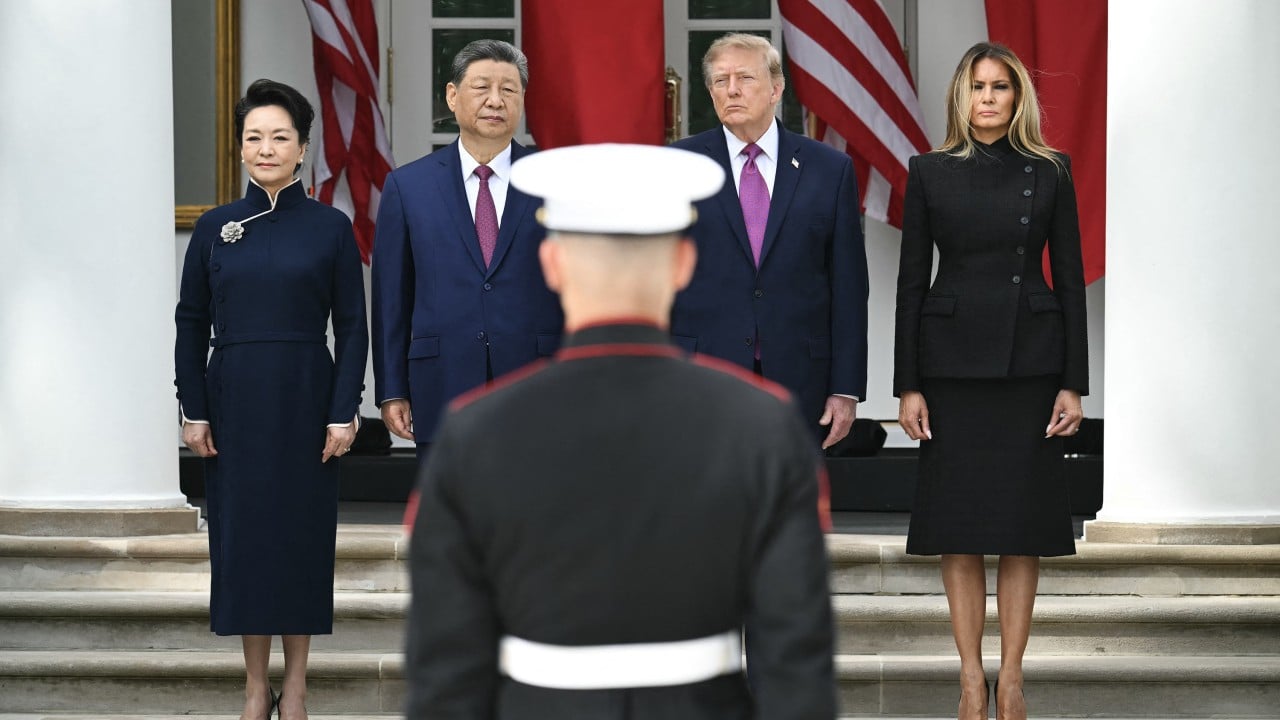
Diplomacy involves constant messaging. When Donald Trump pressed Chinese counterpart Xi Jinping during high-stakes talks to lift strict export curbs targeting Japan, he stepped right into a historical minefield.
Trump urged direct communication between Beijing and Japanese leadership, specifically pointing toward easing economic tensions. Xi pushed right back. Beijing's stance on Tokyo isn't just about trade balances; it is tied to deep historical grievances and modern security anxieties. Xi explicitly warned against the rising tide of Japanese militarism, demanding that disputes with Tokyo stay entirely detached from broader US-China negotiations.
This dynamic exposes a fundamental truth about modern global trade friction. You cannot separate supply chain weaponization from military posturing. When nations restrict critical materials, they are engaging in economic warfare disguised as regulatory compliance.
Europe Wants Its Own Trade Weapon
Asia isn't the only region rewriting the playbook. Brussels is watching these superpower collisions with growing alarm and formulating its own aggressive response.
France and Germany are currently pushing for a brand-new European Union trade instrument designed for one specific purpose: instantly cutting off external market access when third countries create severe economic distortions. For years, Europe relied on lengthy dispute mechanisms and endless diplomatic appeals. Those days are ending.
If this new trade weapon clears legislative hurdles, the EU will possess a blunt instrument capable of locking out major exporters overnight. It signals a permanent shift away from free-market idealism toward defensive economic nationalism.
The Ground Level View
You don't need a seat in the UN Security Council to understand where these trends are heading. Global supply chains are fracturing into regional blocs. Cybersecurity threats are merging with organized violent crime in ungoverned border spaces. Economic coercion is replacing traditional tariffs.
Keep a close eye on how regional middle powers navigate these overlapping pressures. The era of frictionless globalization is dead. In its place is a transactional landscape where alliances shift overnight and leverage is everything.
Takaichi's Trump Meeting Before Xi Summit: What Was Discussed About China?
This video provides additional context regarding the diplomatic exchanges between Washington, Beijing, and Tokyo that are shaping modern security discussions in Asia.