Colombia is voting today in a high-stakes presidential election that feels less like a routine transition of power and more like an ideological civil war at the ballot box. If you want to understand why this matters, you have to look past the standard headlines. The real story isn't just about left versus right. It's about a nation that tried a radical experiment in progressive governance and is now facing a massive, violent backlash.
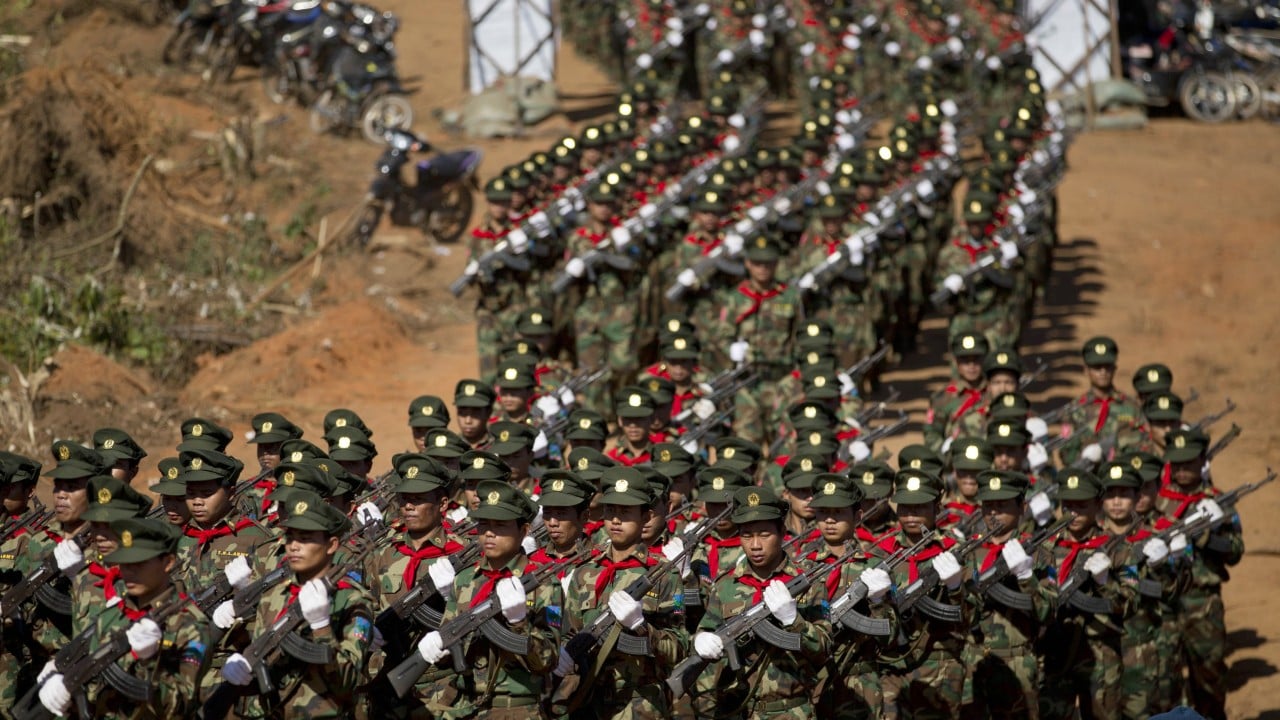
Outgoing President Gustavo Petro made history four years ago as Colombia's first leftist leader, promising a sweeping policy called "total peace." The idea was simple: negotiate with every remaining rebel group and drug cartel at the same time to finally end decades of bloodshed. Instead, many rural areas dissolved into chaos. Criminal networks used government-mandated ceasefires to expand their territory, leaving voters feeling exposed and betrayed.
Now, the country stands at a dangerous crossroads. The election has narrowed down to a fierce three-horse race that will decide whether Colombia continues down the path of dialogue or swings violently toward iron-fisted, authoritarian security.
The Trio Fighting for Colombia's Future
The political battlefield features three main contenders, each representing a completely different survival strategy for the nation.
Senator Ivan Cepeda is carrying the torch for Petro's fractured coalition, the Historic Pact. Cepeda is a seasoned peace builder who commands deep loyalty among voters who benefit from Petro's progressive economic policies, like substantial hikes to the minimum wage and expanded educational access. He argues that breaking the cycle of violence requires patience, social investment, and environmental protection. For his supporters, returning to the military offensives of the past means more useless bloodshed.
But patience is a luxury that people living under the thumb of rural warlords don't have. That's why Abelardo de la Espriella has exploded in the polls. Known as "The Tiger," de la Espriella is a bombastic lawyer and political outsider running under the Defenders of the Motherland movement. He doesn't want to talk to criminals; he wants to lock them up. He openly models his platform after Nayib Bukele, the president of El Salvador who crushed gang violence through mass incarcerations and a total suspension of certain civil liberties. De la Espriella campaigns behind bulletproof glass, pitching a scorched-earth security doctrine that terrifies human rights groups but sounds like salvation to terrified citizens.
Then there's Senator Paloma Valencia of the Democratic Center party. If de la Espriella is the rogue outsider, Valencia is the institutional iron fist. She is the political protege of Álvaro Uribe, the former president and right-wing strongman who led a massive, U.S.-backed military offensive against FARC guerrillas in the 2000s. Valencia promises a return to that traditional doctrine of state authority and military dominance.
The Shadow of Mar-a-Lago Over Bogota
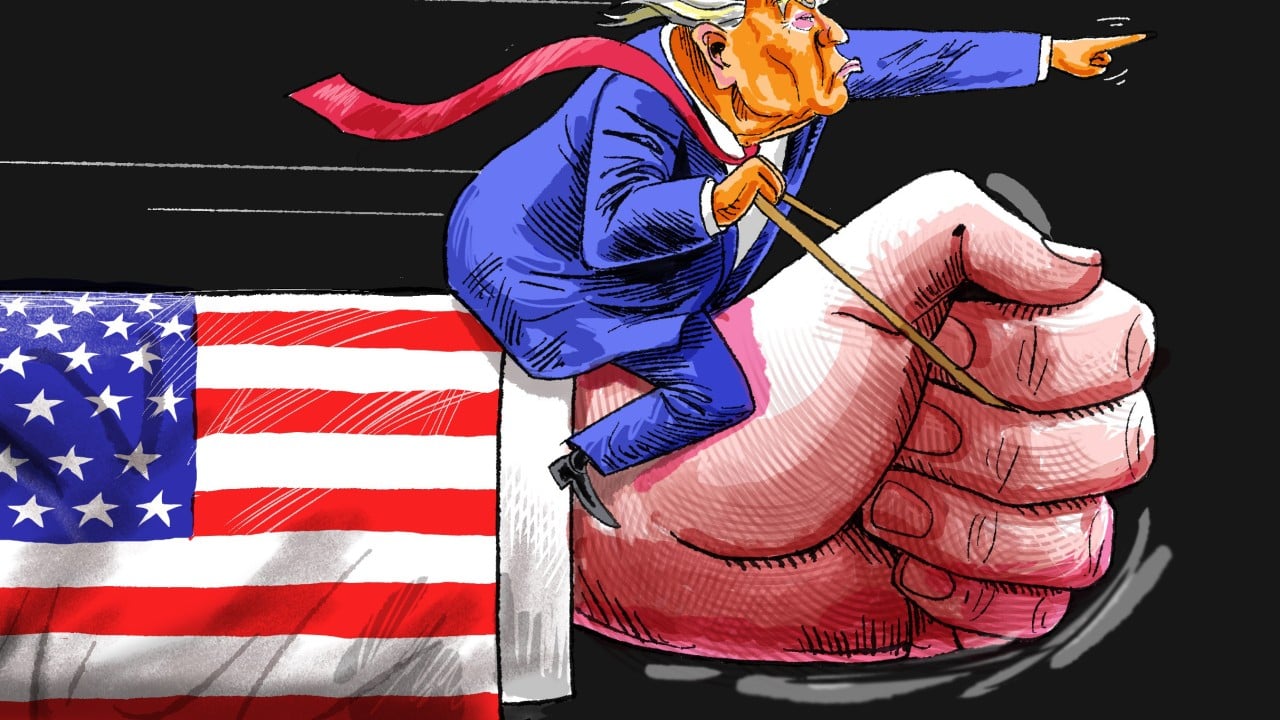
There's an undeniable international undercurrent reshaping this race. Both de la Espriella and Valencia are loudly touting their affinity for U.S. President Donald Trump.
This isn't just cheap political theater. The White House has been applying intense pressure on Latin American leaders to crack down hard on cartel networks and migrant routes. For Colombia's right wing, aligning with Trump is a strategic play. They want to restore the close military and intelligence pipeline with Washington that withered under Petro's administration.
This creates a stark geopolitical divide. A victory for Cepeda keeps Colombia aligned with the regional left, focusing on global climate action and soft-power diplomacy. A win for either de la Espriella or Valencia pulls Bogota right back into the orbit of Washington's aggressive war on drugs, regardless of the domestic human rights costs.
What Most People Get Wrong About the Violence
International onlookers often assume Colombians who vote for right-wing extremists are just reacting blindly out of fear. That's a lazy assumption. The reality is that voters are making calculated trade-offs based on daily survival.
When the state signs a ceasefire with a rebel group but fails to occupy the territory that group controls, a vacuum is created. Other cartels and dissident factions immediately move in to claim the extortion rackets and drug routes. Rural Colombians have watched their communities get torn apart by these turf wars while the military stood down to respect peace talks.
When you look at the voting patterns, you see a sharp divide between the major urban centers and the conflict zones. In Bogota, voters can afford to prioritize biodiversity, healthcare infrastructure, and progressive social reforms. In places like Cauca or Catatumbo, where dissident groups regularly bomb police stations and enforce local curfews, those policies feel completely detached from reality. For those citizens, an authoritarian leader who restores order isn't a threat to democracy—it's the only entity capable of guaranteeing their right to live.
Navigating the Volatile Road Ahead
No candidate is expected to cross the 50% threshold required to win outright today. This guarantees a tense, highly polarized runoff election in June. If you're tracking the stability of the region or trying to understand Latin American political shifts, you need to watch how the eliminated factions align over the next few weeks.
If you are analyzing these developments for investment, policy, or journalism, focus your attention on three specific indicators:
- Watch the swing voters in the center: Look at how moderate candidates who dropped out guide their bases. If they break heavily toward de la Espriella, it signals a complete mandate for an El Salvador-style security crackdown.
- Monitor rural voter turnout: High turnout in conflict-heavy departments usually signals a massive protest vote against the current administration's peace initiatives.
- Track the currency markets: The Colombian peso has been highly sensitive to political instability. A strong showing for the right usually triggers a short-term market rally due to promises of corporate deregulation, while a Cepeda victory will signal continuity for state-led economic reforms.
The era of romanticizing sweeping peace accords without structural enforcement is over in Colombia. The next president won't have the luxury of slow diplomacy. They'll either have to fix a broken peace strategy on the fly or unleash a security offensive that could plunge the country right back into open warfare.