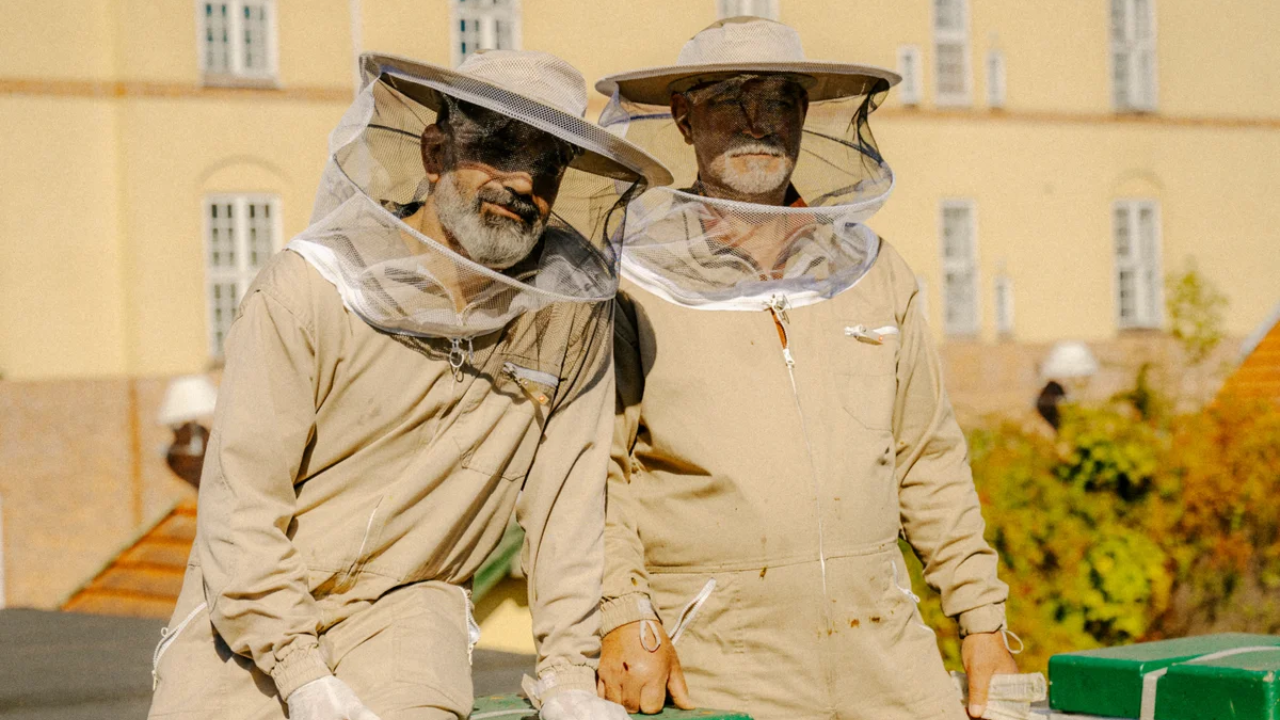
Six tonnes of honey from a city packed with bikes, harbor baths, and Victorian rooftops sounds like a charming fairy tale. Yet Copenhagen's Bybi didn't get to 80 to 100 colonies by treating bees like cute office mascots or cranking out commodity jars. Founded in 2010 by British anthropologist Oliver Maxwell, Bybi treats honey as a byproduct of community life and urban ecology rather than the whole point.
Here's the catch that most feel-good urban farming stories skip over. Putting bee boxes on a roof doesn't automatically fix a city. Bees need forage, and people need belonging. Without both, a shiny rooftop hive is just another piece of corporate greenwashing.
How Copenhagen Bybi Grew Past A Rooftop Experiment
Maxwell moved to Denmark in 2007 after working on forest protection in Vietnam and social enterprise training in Brighton. When he launched Bybi in 2010, the original idea was straightforward enough. Bring in marginalized or unemployed people, pair them with bees, and build a path back into conventional work.
Over time, that network spread across Copenhagen. Colonies landed on schools, municipal buildings, restaurants, conference centers, and even the roof of Parken Stadium, where F.C. Copenhagen's hives pulled in 120.3 kg of honey in a single season. Across the full network, harvest totals typically land between four and six tonnes of honey a year depending on weather and bloom timing.
What makes Bybi's model weird—and honestly refreshing—is how it handles money. Sometimes jars are sold in local shops. Sometimes they're given away at weddings or festivals. Sometimes buyers name their price or join a reverse haggle where sellers start low and the group talks through what went into the jar. Maxwell has noted that Bybi avoids calling honey a "product" because turning something into a product turns the person across from you into a consumer.
I've watched plenty of city sustainability projects fizzle once grant money dries up or staff burn out trying to hit retail targets. Bybi's willingness to question market pressure—even admitting that pushing people straight back into a grueling job market often backfires—gives the project a backbone you rarely see in urban agriculture.
Why Putting Hives On Roofs Can Backfire Without Flowers
Let's be blunt. A honeybee colony isn't a magic wand for biodiversity. In fact, ecologists and urban beekeepers have argued for years over whether stacking dozens of commercial or hobby hives in a small area crowds out wild pollinators when nectar gets scarce.
In Copenhagen, Bybi connects hives directly to planting. People who get honey are encouraged to share a jar with someone they care about and plant flowers for pollinators. Volunteers and staff gather seeds and spread green patches across neighborhoods, including lower-income districts like Sundholmskvarteret where green space access isn't always equal.
Neighborhood Terroir Tastes Different For A Reason
Honeybees usually forage within a couple of kilometers of their hive, meaning a jar harvested near a coastal park or botanical garden won't taste quite like honey from a dense courtyard or stadium roof. That variation isn't a marketing gimmick. It's a live reading of what's actually blooming in that slice of the city that summer.
When cities plant monoculture lawns or sterile ornamental shrubs, bees struggle and wild insects lose out. When they plant diverse, pollinator-friendly blooms across public spaces and yards, both honeybees and wild species have something to eat.
What Most People Miss About Social Enterprise And Work
A lot of coverage frames projects like Bybi as a neat job-training pipeline. Over the years, hundreds of people facing barriers to work have taken part in activities around the hives, seed packing, and community spaces. Some move on to formal jobs or studies. Others stick around because showing up at a human pace feels possible.
Maxwell has spoken candidly about the limits of trying to force everyone back into standard wage labor when entry-level jobs are thin or unforgiving. If someone who's already struggling gets thrown into high-pressure productivity targets too fast, they often burn out or walk away.
From hands-on experience with community workshops, that distinction matters hugely. A place where people can work slowly, pack seeds, tend frames, or simply belong without being judged on output per hour does real social work. Still, it shouldn't be mistaken for a cure-all for housing, income, or structural poverty. A beehive can anchor a neighborhood. It can't replace a living wage or social safety net on its own.
Urban Honey Versus Rural Beekeeping In Practice
Comparing city hives to country apiaries isn't apples to apples. Both come with real trade-offs depending on climate, land use, and what you're trying to achieve.
In rural areas, beekeepers often have vast stretches of clover, wildflowers, or orchards, though agricultural pesticides and single-crop fields can create big seasonal swings or chemical exposure risks. In cities, heat islands can keep hives warm a little longer, and garden variety can surprise you, yet rooftops can be windy, hot, or awkward to haul heavy supers up and down.
Urban beekeeping also invites public scrutiny. Neighbors worry about stings, landlords worry about liability, and city rules vary wildly from one municipality to another. Success in a dense city depends less on squeezing in maximum hives and more on good hive placement, gentle bee temperament, and clear communication with nearby residents.
Practical Next Steps If You Want To Start Something Local
You don't need 100 colonies or a stadium roof to put these ideas to work where you live. Start small and keep the priorities straight.
- Plant forage before buying bees: Put in native or pollinator-friendly flowering plants that bloom from spring through late summer so local insects actually have food.
- Check local rules and mentorship first: Look up municipal beekeeping ordinances and connect with an experienced local beekeeper or association before ordering a nuc or package.
- Skip the "hero" roof pitch: If you're pitching a business, school, or community garden on hosting hives, focus on long-term care, safety, and habitat—not just a photo op.
- Build around people, not just output: Whether you're running a seed swap, a school garden, or a community apiary, leave room for newcomers, volunteers, and slow days without turning every activity into a sales pitch.


