The Canada Revenue Agency is officially playing with artificial intelligence. For many Canadians, that sentence feels like the start of a sci-fi horror movie where a computer program decides you owe the government five thousand dollars because you didn't report a Facebook Marketplace sale from 2022. It sounds scary. It sounds cold. But the reality on the ground at the CRA is much more boring, and frankly, a bit more reassuring than the headlines might suggest.
You don't need to worry about a "Tax-Bot 3000" automatically freezing your bank account or issuing a notice of assessment without a human ever looking at your file. The CRA recently confirmed that while they're integrating machine learning and advanced data tools into their workflow, they haven't handed the keys to the kingdom over to the algorithms. At least, not when it comes to the decisions that actually impact your wallet.
How the CRA actually uses AI right now
The government isn't building Skynet. They're trying to fix their notoriously bad customer service and find the big fish who are actually breaking the law. Right now, the CRA uses AI mostly for sorting through the massive piles of data they receive every year. Think of it as a super-powered filing clerk rather than a judge.
They use these tools to flag high-risk files. This means the AI looks for patterns that suggest tax evasion or aggressive tax avoidance. If you're a regular T4 employee with a few RRSP contributions, you aren't even on the radar for these systems. The tech is designed to spot anomalies in massive corporate filings or complex international schemes that would take a human auditor months to find.
Internal reports and statements from the agency show that the primary focus is on "predictive modeling." They want to know which taxpayers are most likely to be non-compliant. By using historical data, they can point their human auditors in the right direction. It's about efficiency. The CRA has a limited budget. They don't want to waste a human's time auditing a dry cleaner in Red Deer if there's a multi-million dollar real estate flip in Vancouver that looks suspicious.
Why your personal tax return is still handled by humans
The biggest fear most of us have is that a glitch in the code will result in a massive bill. The CRA knows this. They also know that the tax code is incredibly gray. It's not just 1s and 0s. There's nuance in what qualifies as a moving expense or a medical deduction. AI is historically terrible at nuance.
Currently, the CRA maintains a "human-in-the-loop" policy. This is a fancy way of saying that before any final decision is made on a personal tax return, a living, breathing person has to sign off on it. If the AI flags your return for a potential error, it goes to a desk. A person looks at it. They decide if it's worth pursuing.
This is partly about ethics and partly about legal protection. Under the Privacy Act and various Treasury Board directives, the Canadian government has to be transparent about how it uses automated systems. They can't just hide behind "the computer said so" when you file an appeal. If they used AI to make final decisions, every single person who got a bad result would clog the court system claiming the process was opaque and unfair. They aren't ready for that headache.
The customer service side of the bot
If you've tried calling the CRA during tax season, you know it's a nightmare. You’ll sit on hold for two hours only to be disconnected or told the queue is full. This is where the agency is actually desperate to use AI. They're looking at chatbots and automated response systems to handle the easy stuff.
"Where is my refund?"
"How do I change my address?"
"What's the deadline for filing?"
These are questions a basic AI can answer 24/7 without needing a coffee break. By offloading these simple queries to a machine, the hope is that the human agents will be free to handle the complex calls where people are actually in distress. It hasn't worked perfectly yet—government tech moves at the speed of a glacier—but that's the goal.
The risks of algorithmic bias in tax audits
We have to be honest about the downsides. Even if a human makes the final call, the AI decides who that human looks at. This is where things get tricky. If the data used to train the AI is biased, the results will be biased.
For example, if the system is trained on historical data that shows certain demographics or neighborhoods were audited more frequently in the past, the AI might continue to target those same groups. It creates a feedback loop. You're auditing them because the AI says so, and the AI says so because you've always audited them.
The CRA claims they are being careful. They have to follow the Directive on Automated Decision-Making, which requires them to conduct "Algorithmic Impact Assessments." These are public documents that rank how risky an AI system is. Most of the CRA's current tools are ranked as low risk because they don't make the final "determination" on a file. But as the tech gets better, the pressure to give it more power will grow. We need to watch that closely.
Don't let the tech scare you into overpaying
A common mistake I see people make is getting so paranoid about "red flags" that they don't claim legitimate deductions. They think if they claim a home office or a specific credit, a robot will automatically flag them for an audit. Stop doing that.
The CRA’s AI is looking for fraud, not for people who are legally reducing their tax bill. If you have the receipts and you're following the rules, it doesn't matter if an AI flags you or a human flags you. The law is the law. The AI is a tool for the CRA, but the Income Tax Act is still the rulebook.
What you should do next
The landscape of tax filing is changing, but your strategy shouldn't. The best way to stay safe from any CRA system—human or machine—is to keep your digital paper trail spotless.
Scan your receipts immediately. Don't wait until April. Use software that categorizes your spending throughout the year. The more organized your data is, the easier it is to prove your case if a "predictive model" ever puts your name on a list.
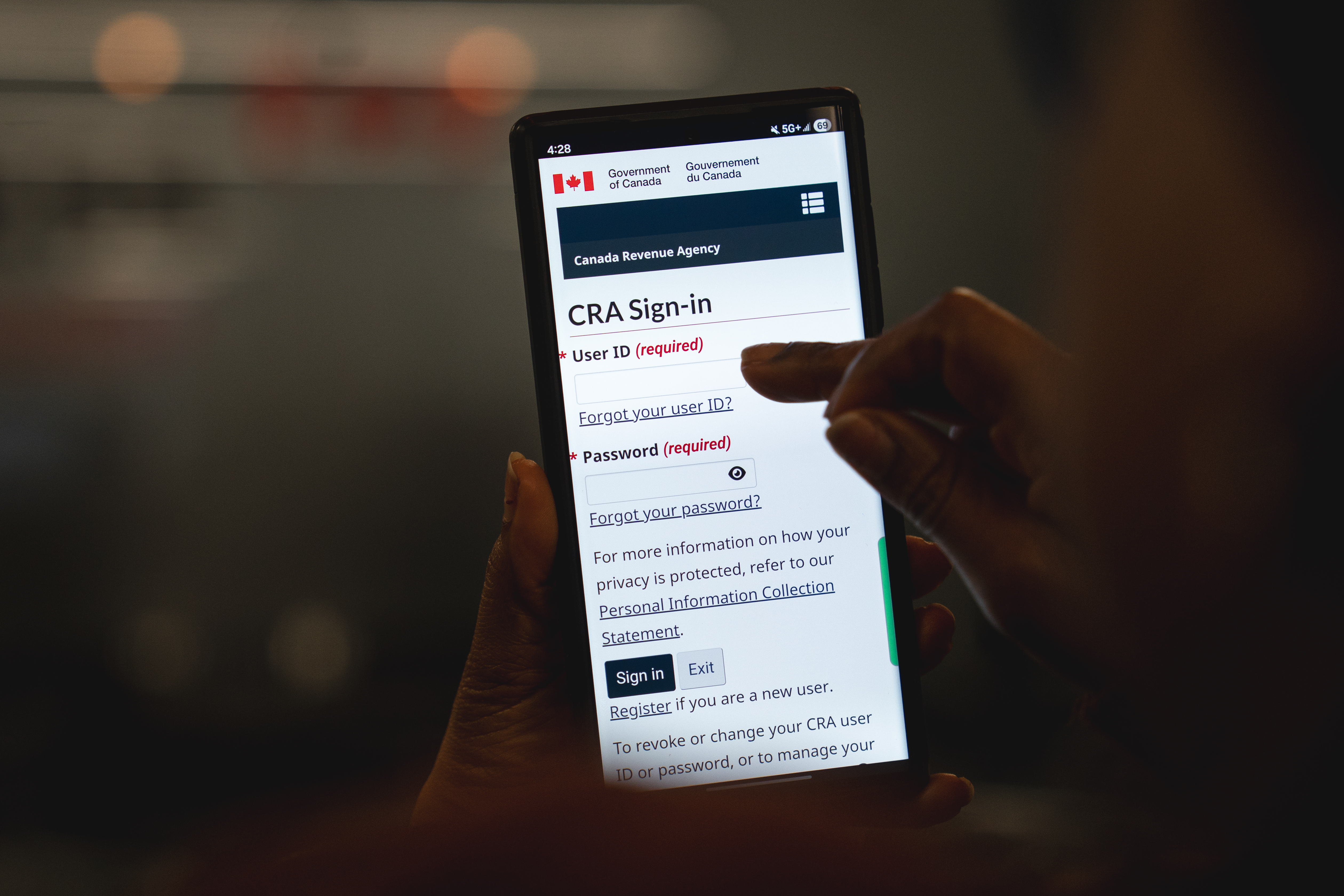
Log into your CRA My Account and make sure your information is current. The agency is moving toward a digital-first model. If they send a notification to an old email address or an inbox you never check, you might miss a request for information. That’s how small issues turn into big audits.
Stay informed, but don't panic. The robots aren't coming for your tax return today. They're just helping the CRA find the people who are actually trying to cheat the system. As long as you're playing by the rules, the AI is just another piece of government bureaucracy you don't need to lose sleep over.