Talks sound tidy on paper. Reality in late autumn 2026 is much messier.
When Ukrainian President Volodymyr Zelenskyy pointed toward early November for fresh trilateral talks involving Kyiv, Washington, and Moscow, a lot of observers assumed momentum was finally building. I don't buy that optimism. Hoping for a breakthrough on a calendar date doesn't erase deep disagreements over territory, security guarantees, or who actually gets a seat at the table.
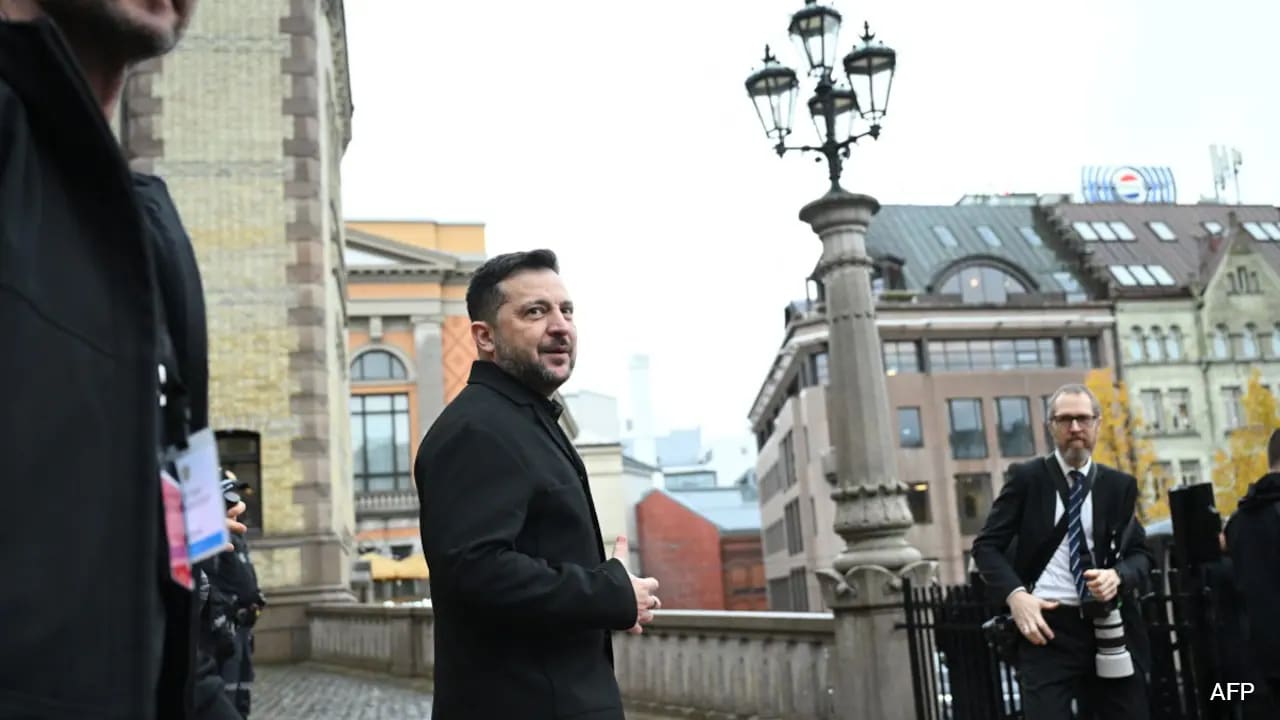
In late October, following US envoy Steve Witkoff's diplomatic push across Oslo and Moscow, Zelenskyy said trilateral talks could happen no later than early November, and later floated November 10 in Abu Dhabi after US voting wrapped up. Yet by mid-November, even after discussions got underway in Abu Dhabi, the only concrete result Zelenskyy could point to was progress on a potential prisoner-of-war exchange involving up to 1,300 people, while Kyiv announced Berlin talks with US and European partners to shape what comes next.
What Early November Talks Actually Aimed to Do
People looking at the headline often assume a single summit was supposed to settle the war. That's not how these negotiations were structured.
Zelenskyy drew a sharp line between technical working groups and decisions between top leaders. Humanitarian steps, prisoner returns, and certain ceasefire mechanics—like an energy truce or localized pauses—could be hashed out by teams. Territory, by contrast, is a political powder keg that Zelenskyy insisted only leaders can address, stressing that Ukraine isn't trading land away for nothing.
Timing mattered just as much as agenda items. Zelenskyy noted in late October that Kyiv wanted movement quickly, while waiting until US voting concluded before pushing the timeline forward. At the same time, he warned against slow-walked promises on weapons and air defenses, pointing out that saying "yes" to Patriot missiles doesn't help cities under fire if deliveries drag out for months.
Why Territory and Security Guarantees Keep Stalling Progress
If you want to know why early November didn't produce a grand bargain, look at the non-negotiables. They collide head-on.
Moscow has kept pushing maximalist demands, refusing an unconditional ceasefire and pressing for control over areas in eastern Ukraine—including parts of Donetsk and Luhansk—that Russian forces haven't captured on the battlefield. Analysts at the Institute for the Study of War have repeatedly noted that the Kremlin pairs hardline territorial claims with diplomatic posturing while continuing large-scale strikes and facing ongoing battlefield friction.
Kyiv's red lines run in the opposite direction. Zelenskyy has made clear that Ukraine won't accept enforced neutrality or caps on its armed forces in November talks. Instead, he has argued for strong security backing—ideally NATO membership paired with a capable Ukrainian military, potentially around 800,000 troops if funding allows.
A common mistake in armchair diplomacy is treating a ceasefire as the finish line. In practice, a pause without enforceable security guarantees just gives the stronger party time to rearm. That's why negotiators keep getting stuck on terms rather than just talking.
Washington's Push and Europe's Fight for a Seat
Washington hasn't spoken with one simple voice during this stretch, and European capitals are watching closely so they aren't sidelined.
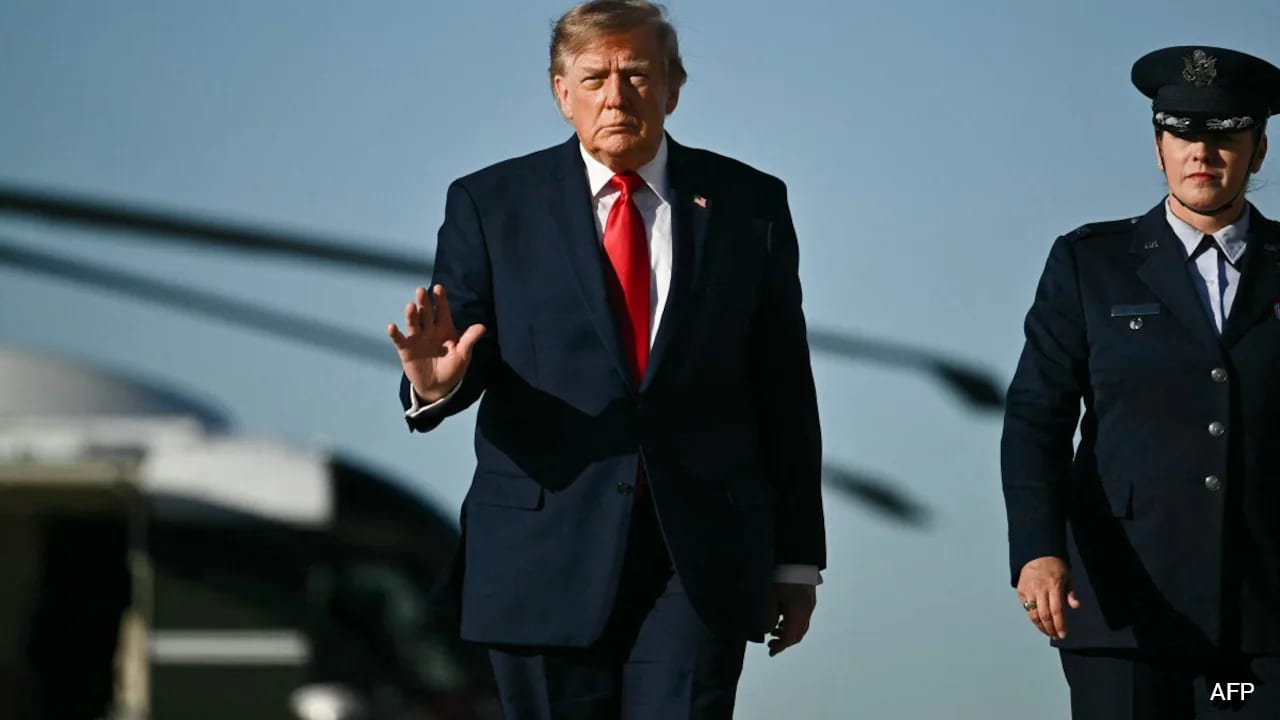
Public friction between Donald Trump and Zelenskyy added extra heat to the diplomatic calendar. Reports in late October highlighted Trump criticizing Zelenskyy's handling of negotiations, suggesting someone else might negotiate for Ukraine, and floating broader superpower talks—even raising the idea of meetings involving Putin and China's Xi Jinping. For Kyiv, that kind of pressure creates real risk: getting squeezed on terms while fighting off aerial attacks on energy grid sites and bridges over the Dnipro River.
Meanwhile, European allies have pushed back against any backroom deal negotiated over their heads. Zelenskyy has emphasized coordinating with European partners so Europe has a real voice in the process, and subsequent talks in Berlin underscored how central air defense, energy resilience, and financing are to keeping Ukraine standing.
On the money side, the numbers are huge. Zelenskyy stated that Ukraine needs roughly 115 billion euros ($126 billion) from partners over the next year, with a proposed 45-billion-euro European Commission loan bringing expected backing closer to 90 billion euros—leaving a roughly 25-billion-euro gap to close. Diplomacy doesn't happen in a vacuum; whoever funds air defense and budgets shapes leverage at the table.
Fighting While Negotiating on the Ground
One of the hardest things to grasp from afar is how talks and strikes happen at the exact same time. Neither side hits pause just because diplomats pack bags for Abu Dhabi or Berlin.
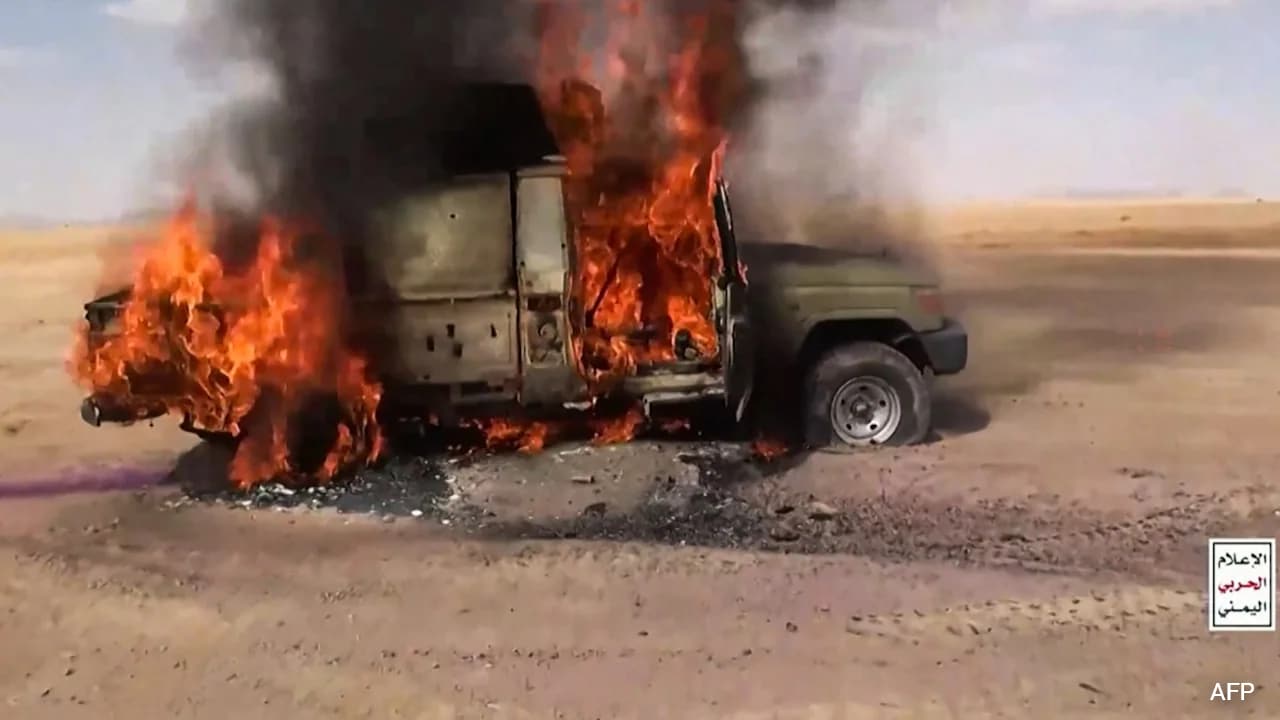
Through late October and November, reporting from outlets like The Kyiv Independent and The Guardian tracked intense aerial assaults on Ukrainian infrastructure alongside long-range Ukrainian strikes targeting Russian logistics, including repeated hits on the Kerch Strait Bridge. Each strike shifts bargaining mood music: one side claims battlefield momentum, while the other accuses its opponent of sabotaging peace.
When you read headlines about "talks" in early November, keep that reality check front and center. A meeting isn't a treaty. Sometimes it's just a way to test whether the other side budges at all—or to keep Washington engaged while missiles keep flying.
Practical Ways to Track What Happens Next
If you're following these negotiations closely and want signal instead of noise, a few simple habits go a long way:
- Watch concrete deliverables over target dates. Prisoner swaps, humanitarian corridors, or verified energy pauses matter far more than a leader saying talks could happen "by early November."
- Separate technical tracks from territorial claims. Expect slow, incremental movement on practical issues and sharp deadlocks whenever borders or sovereignty come up.
- Check European and funding moves alongside summit news. Air defense shipments, EU financing packages, and European participation in talks often reveal real leverage better than soundbites.
Europe to Join Russia-Ukraine Peace Talks, Zelenskyy Announces
This video covers Zelenskyy's announcement regarding European involvement in upcoming negotiation formats with Russia, adding helpful context to the shifting diplomatic lineup around these talks.