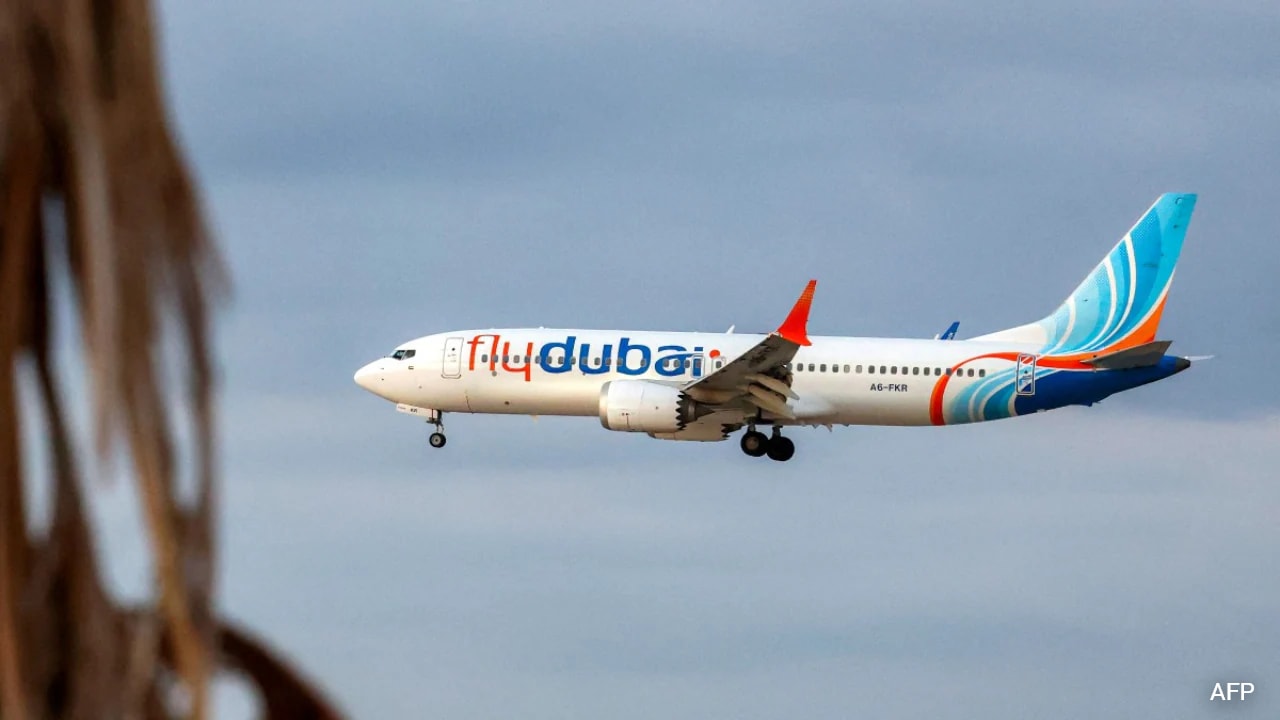
Geopolitics rarely shifts because of a single signature treaty signed in a gilded hall. More often, it shifts in a dark, cramped cockpit at 34,000 feet when ordinary people are forced to make split-second choices between life and death. When Flydubai Flight 1073 bound for Tel Aviv became the target of a radicalized co-pilot on September 30, 2026, the resulting crisis didn't just rattle aviation security. It exposed a stark, real-world alliance between Israelis, Emiratis, and Indians that completely bypassed traditional diplomatic gridlock.
The incident itself reads like a thriller, but the mechanics of the survival and the aftermath reveal how modern regional security actually functions. Let's look past the breaking news tickers to understand why this specific moment changed regional dynamics for good.
What Actually Happened in the Skies
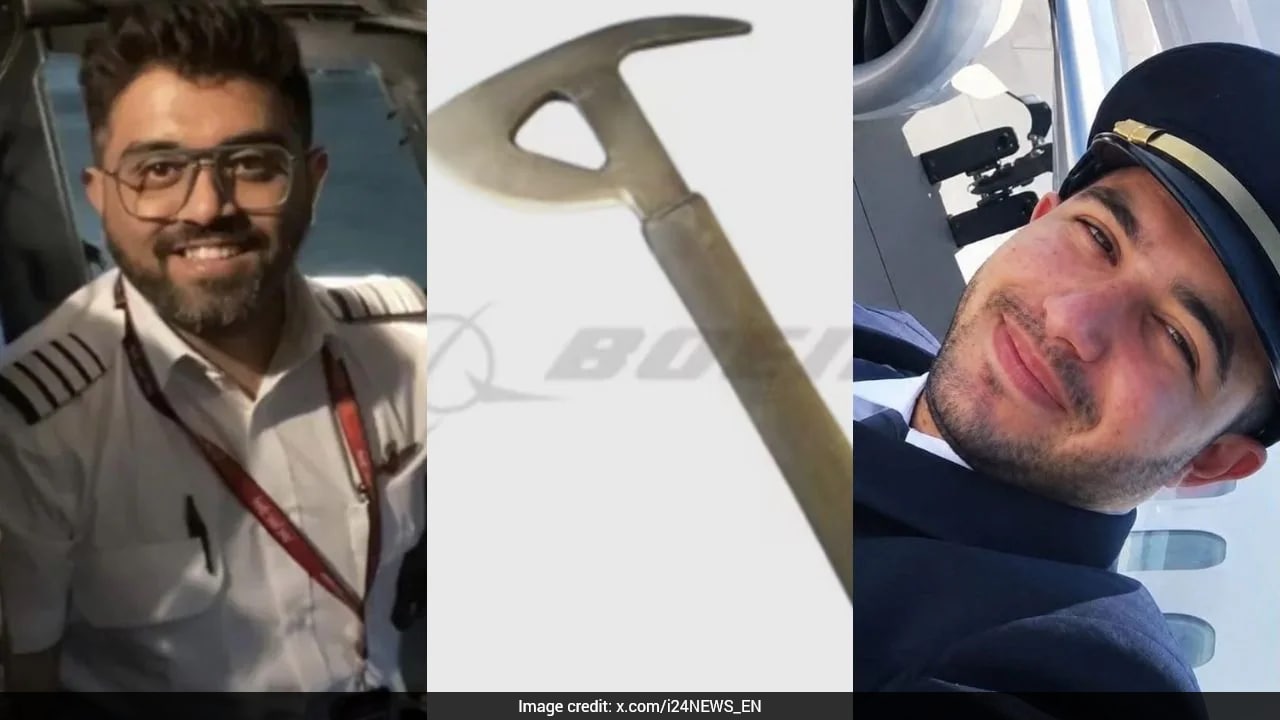
Flight 1073 was roughly an hour out from Tel Aviv when the co-pilot launched a violent, targeted assault on Captain Smit Machchhar using an emergency cockpit axe. The goal was absolute destruction: a deliberate plunge intended to smash the aircraft and wipe out 174 passengers, the vast majority of whom were Israeli citizens.
As the Boeing 737 MAX dropped violently from cruising altitude—plunging thousands of feet in seconds and triggering emergency squawk codes—the passengers didn't panic blindly. Israeli travelers on board mobilized instantly, rushing the flight deck as the wounded captain fought to keep the aircraft stable.
Yet, the defining human element of the rescue came from the cockpit and the ground crew. Captain Smit Machchhar, an Indian national, endured brutal blows while securing the door and wrestling control alongside deadheading pilot colleagues. When the crippled aircraft desperately needed a safe runway, it was redirected toward Tabuk, Saudi Arabia. Local authorities and regional air traffic infrastructure handled the emergency landing without hesitation, prioritizing human life over old political rivalries.
Breaking Down the Diplomatic Aftershock
The immediate response from governments revealed an unprecedented alignment. Senior Emirati officials broke decades of diplomatic hedging by explicitly labeling the cockpit assault an act of terrorism, refusing to hide behind conspiracy theories or diplomatic euphemisms. Anwar Gargash publicly condemned the plot as a dangerous disaster averted only by sheer grit.
Meanwhile, Israeli leadership openly praised the cross-national coalition of heroes. Prime Minister Benjamin Netanyahu highlighted how the crisis showcased an unexpected triad: Israelis refusing to surrender, an Indian captain holding the line, and Emirati air traffic and security infrastructure absorbing the emergency landing on Arabian soil.
Indian Prime Minister Narendra Modi lauded Captain Machchhar's extraordinary courage, while Israeli diplomatic channels emphasized that the safety of international transit now depends entirely on dismantling extremist networks that cross sovereign borders.
Why This Matters for the Future of Middle Eastern Transit
If you think this was just an isolated aviation mishap, you're missing the broader picture. Commercial flights connecting Gulf aviation hubs to Israeli airspace have faced immense political friction since their inception. Extremist elements wanted to sever these routes permanently, using terror to isolate Israel and punish regional partners who chose economic integration over eternal hostility.
Instead, the attack achieved the exact opposite. By forcing security agencies in the UAE, Israel, and India to share intelligence immediately, investigate radicalization vectors, and coordinate cross-border legal responses, the incident institutionalized a security working relationship.
When ordinary citizens of different nationalities bleed together in a pressurized cabin trying to stop a suicide crash, abstract foreign policies suddenly transform into blood-pact realities. The Abraham Accords weren't just political architecture designed by politicians; they were stress-tested at Mach 0.8 over the desert, and they held.
The message sent to those who finance and dispatch terror is unambiguous. When coordination meets radicalization, operational vigilance wins. The alliance forged on Flight 1073 proves that regional security is no longer managed by isolated states, but by a shared refusal to let terror dictate the skies.
Captain Smit Machchhar tells Prime Minister Narendra Modi how he fought back in the cockpit
This video provides a first-hand account from the Indian pilot who risked his life to foil the cockpit attack, detailing the critical moments inside Flight 1073.