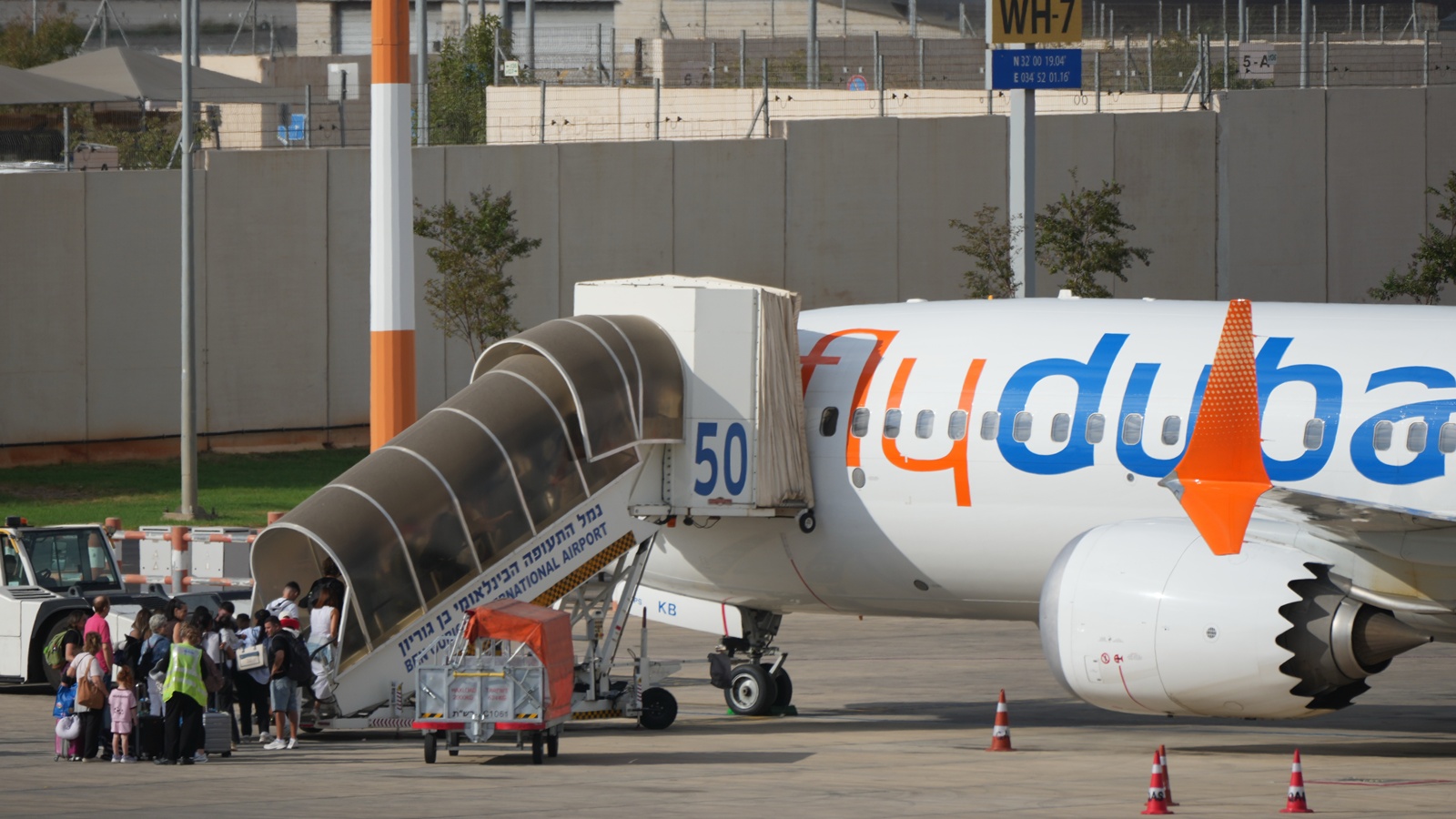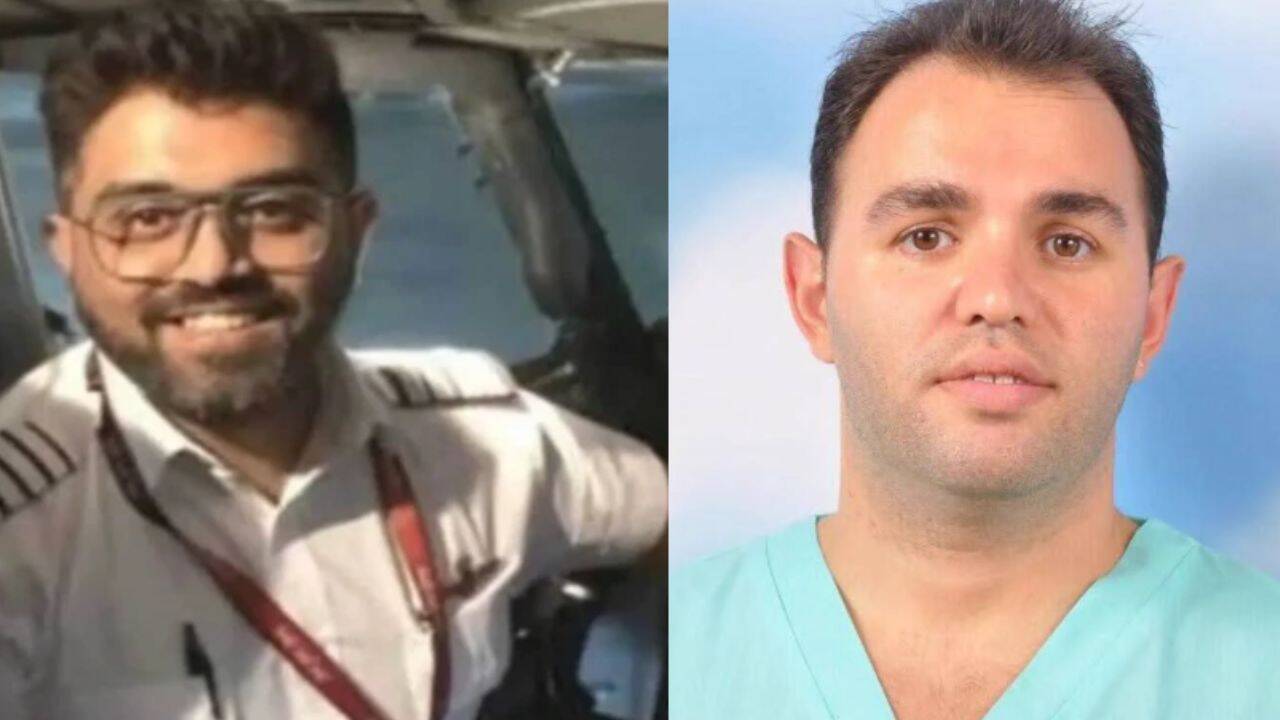
In the tight, confined space behind the flight deck door of a commercial Boeing 737, ordinary physics and human biology collide in terrifying ways. When flydubai Flight FZ1073 plunged thousands of feet following a catastrophic cockpit attack, Captain Smit Machchhar was left bleeding heavily from severe head and arm trauma. What kept him alive during those crucial forty-five minutes before the aircraft touched down in Saudi Arabia was not automated aviation protocol, but a frantic, improvised medical intervention executed on the galley floor by an unexpected passenger: Dr Shota Musaev, an Israeli dentist traveling on the aircraft.
Modern commercial aviation safety assumes a great deal about redundancy. Systems fail; secondary systems kick in. Pilots become incapacitated; co-pilots take the controls. But aviation regulations do not account for active, malicious sabotage originating from within the flight deck itself—nor do they provision for surgical-grade trauma care at thirty-seven thousand feet. When Captain Machchhar managed to trigger the cockpit release and collapse onto the cabin floor, he was suffering from acute hemorrhagic shock. Every beat of his heart pumped vital oxygen away from his brain through deep lacerations, while the aircraft itself was hurtling downward in a steep descent.
Dr Musaev did not have a surgical kit, intravenous lines, or clotting agents. He had improvised materials: cabin T-shirts and ice packets supplied by quick-thinking flight attendants. In emergency medicine, controlling arterial and severe venous bleeding requires constant, unyielding mechanical pressure. The physical reality of that intervention meant maintaining a delicate balance. Push too hard on a skull fracture or severe head wound, and you risk worsening internal cranial pressure; push too lightly, and the patient bleeds out within minutes. Furthermore, every time the makeshift dressings were lifted to assess the flow, the clotting process reset. For three-quarters of an hour, the dentist knelt in a narrow aisle, pressing ice and fabric against the wounds, relying on pure tactile feedback to keep the captain's blood pressure from flatlining.
The physiological battle went beyond external hemostasis. As shock sets in, peripheral blood vessels constrict to preserve core organ function, causing core temperature drops and erratic pulse fluctuations. At one point during the descent, Captain Machchhar’s pulse grew dangerously faint, and his lips turned blue—clear clinical indicators of impending cardiovascular collapse. Recognizing the signs of shock, Dr Musaev elevated the pilot's feet to encourage venous return to the heart, a simple yet critical maneuver that successfully restored a detectable pulse. Simultaneously, verbal communication became a primary medical tool. Keeping a severely traumatized patient conscious prevents slipping into irreversible comatose states. By demanding that the captain stay awake, asking about his family, and forcing him to acknowledge his surroundings, the makeshift medical team utilized cognitive stimulation to stave off neurological shutdown.
The incident has forced aviation authorities and airline executives to re-examine the physical vulnerabilities of flight deck security and medical preparedness on long-haul and regional routes. While cabin crews receive basic first aid training, including CPR and the use of automated external defibrillators, they are not equipped to manage penetrating trauma, severe lacerations, or active violence in cramped airspace. The survival of Flight FZ1073 relied entirely on the coincidence of having a medical professional—albeit a dental surgeon rather than a trauma specialist—sitting among the passengers who possessed the anatomical knowledge to improvise under extreme pressure.
As the aviation industry continues to review the systemic failures that permitted a mid-air breach, the physical margin between disaster and survival remains uncomfortably thin. Captain Machchhar survived because a passenger refused to let him slip away in the dark, turning a narrow airplane floor into an emergency trauma ward against impossible odds.
This video provides additional context and interviews regarding the dentist's firsthand account of the medical emergency aboard the flight.