Standard media coverage of Middle Eastern conflict relies on a lazy, predictable formula. A headline drops, casualties are tallied as abstract scores, and the public is herded into a neat, emotional corral. We are told to look at the immediate flashpoint, point fingers, and demand a simplistic moral verdict. This approach is not just intellectually lazy. It is a structural failure that actively obscures the mechanics of urban warfare and political survival.
If you only read the wire reports, you miss the systemic architecture driving these cycles. Let us strip away the performative outrage and look at the brutal incentives actually running the show.
The Casualty Scoreboard Fallacy
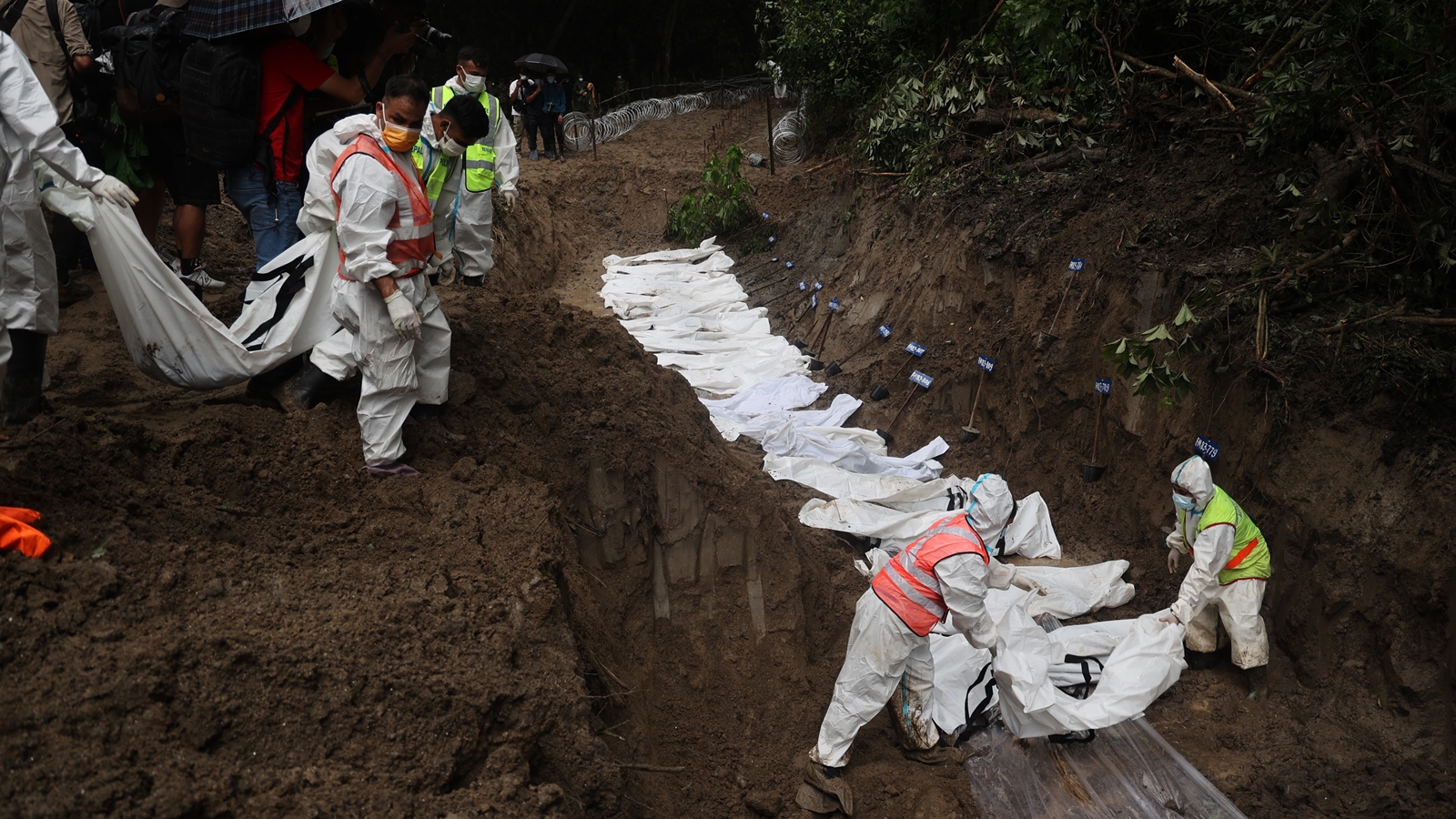
The mainstream narrative treats every fatality report as a standalone tragedy divorced from strategy, ignoring how asymmetric actors weaponize density. When a strike hits and children are killed, the immediate human horror is weaponized to short-circuit analytical thought.
I have spent years analyzing urban combat doctrines across multiple theaters, and the raw tragedy of non-combatant death is routinely treated by insurgent leadership as an explicit logistical resource. That is not a callous talking point; it is operational doctrine. When combatants embed military infrastructure inside high-density civilian sectors—schools, mosques, apartment blocks—they are executing a deliberate mathematical calculation. They know that proportional responses will be twisted into international condemnation, and disproportionate responses will fill recruitment queues.
The media plays along because dead bodies generate clicks, while the tedious mechanics of defensive fortification and tunnel engineering do not. By focusing exclusively on the lagging indicator of casualties, commentators ignore the leading indicator: the calculated choice to turn civilian neighborhoods into fortified battle spaces.
The Myth of the Clean Ceasefire
Every time violence flares, the chorus begins. Ceasefire now. Return to the status quo ante. Stop the violence.
This is magical thinking masquerading as diplomacy. A ceasefire in a war against an ideology explicitly committed to your destruction is not a peace agreement. It is a temporary maintenance window for the adversary to restock rockets, pour concrete for deeper tunnels, and reset the board for round two.
Imagine a scenario where a homeowner agrees to a monthly ceasefire with an intruder living inside their basement who has sworn to burn the house down. Does that ceasefire solve the problem? No. It rewards the intrusion and codifies a permanent state of threat. Yet international bodies treat these pauses as permanent solutions rather than strategic pauses.
The uncomfortable truth is that stability cannot be purchased with diplomatic platitudes when one side views compromise as a theological defeat. Until policymakers confront the reality that total degradation of a threat is sometimes the only mathematical path to actual security, we will keep cycling through the same meaningless body counts every few years.
How Information Warfare Hijacks Strategy
We are living through an era where tactical outcomes are completely subordinated to narrative dominance. A strike that achieves a legitimate military objective—such as destroying a subterranean command node—can be an absolute failure if the opposing side gets footage of a collapsed wall onto social media first.
This inversion of priorities has crippled modern defense planning. Commanders are no longer just fighting an enemy with rifles and explosives; they are fighting an adversary whose primary weapon is a smartphone camera and a sympathetic global press corps. Every hospital converted into a rocket depot is a trap. If you strike it, you lose the information war. If you do not strike it, you lose the tactical war.
The media refuses to interrogate this double bind. Instead, they parrot the press releases of ministries run by terrorist organizations as if they were peer-reviewed data. Let us be precise about terms. When an entity controls every aspect of information flow in a closed autocracy, its casualty figures are not independent statistics. They are propaganda outputs. Treating them as objective journalism is journalistic malpractice.
The Brutal Cost of Honest Defense
The alternative to this endless cycle of narrative manipulation is ugly. It requires admitting that urban warfare in the twenty-first century is inherently catastrophic, that asymmetric actors have successfully weaponized international law against open societies, and that moral posturing from thousands of miles away changes nothing on the ground.
If you want real security, stop demanding performative restraint that achieves nothing except prolonging the conflict. Stop pretending that negotiations work with actors who want you dead. And above all, stop buying the lazy narrative that a conflict starts the moment a bomb falls, ignoring the years of systematic tunnel-digging and rocket stockpiling that made the strike inevitable.
The next time a headline demands your immediate moral outrage, check your assumptions. Look past the immediate tragedy to the structural machinery that caused it.
The truth is rarely clean, and peace is never granted by wishful thinking.