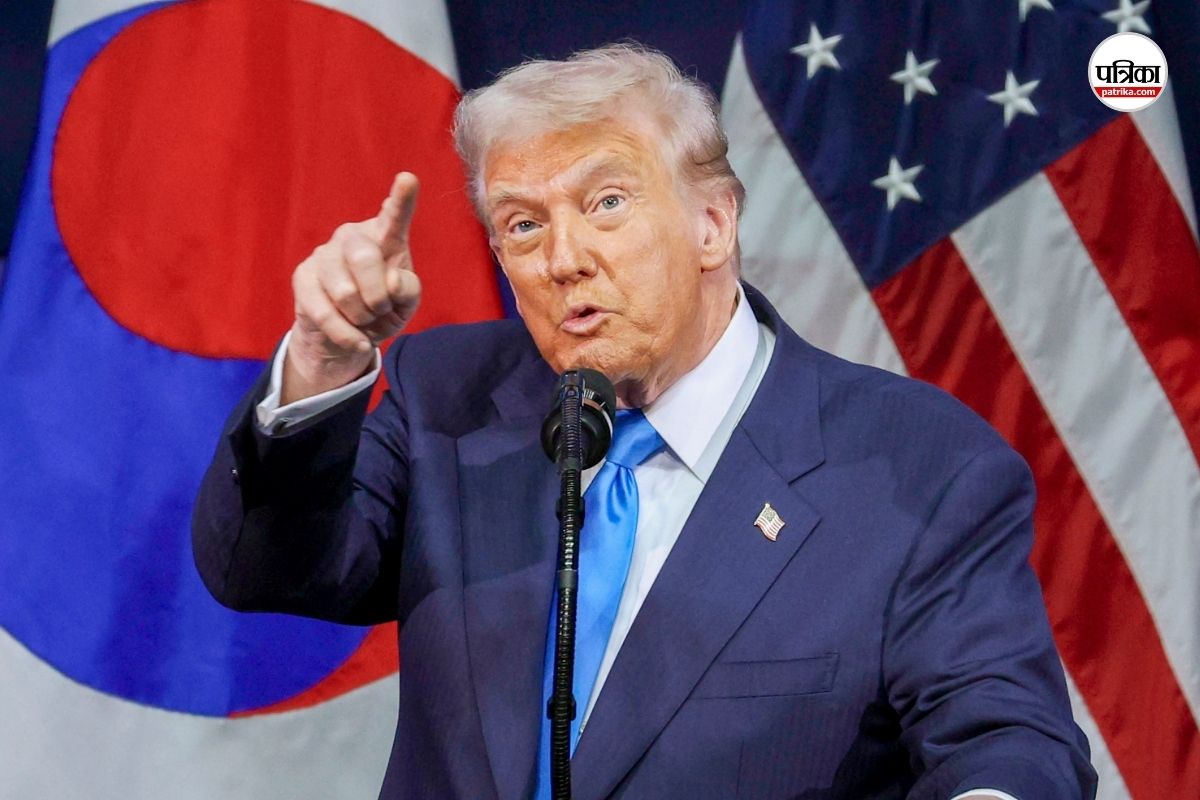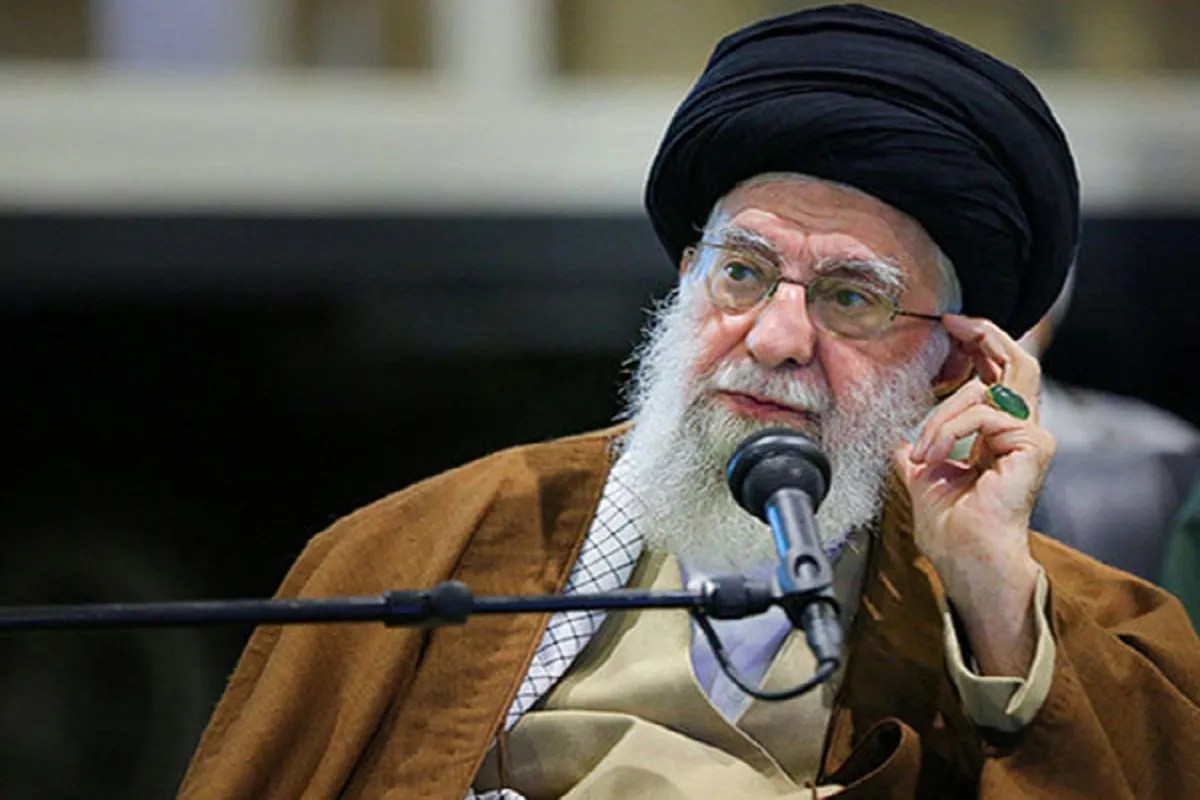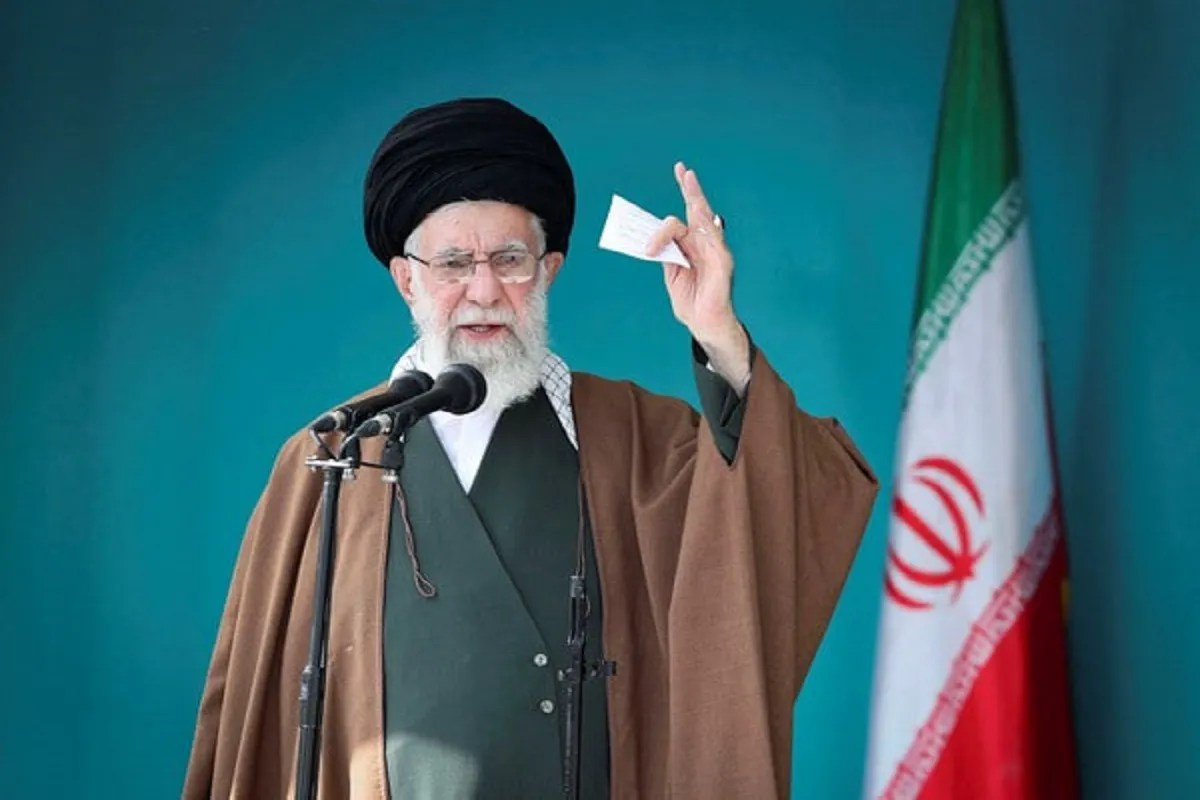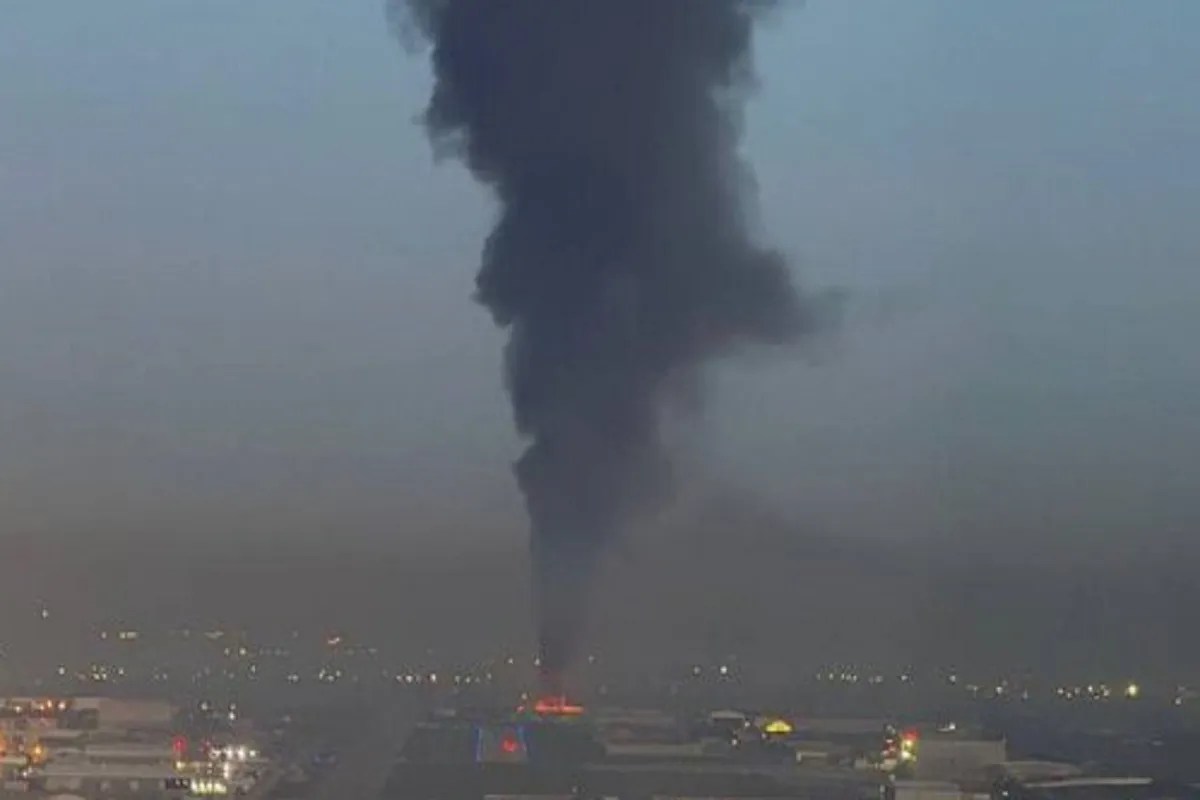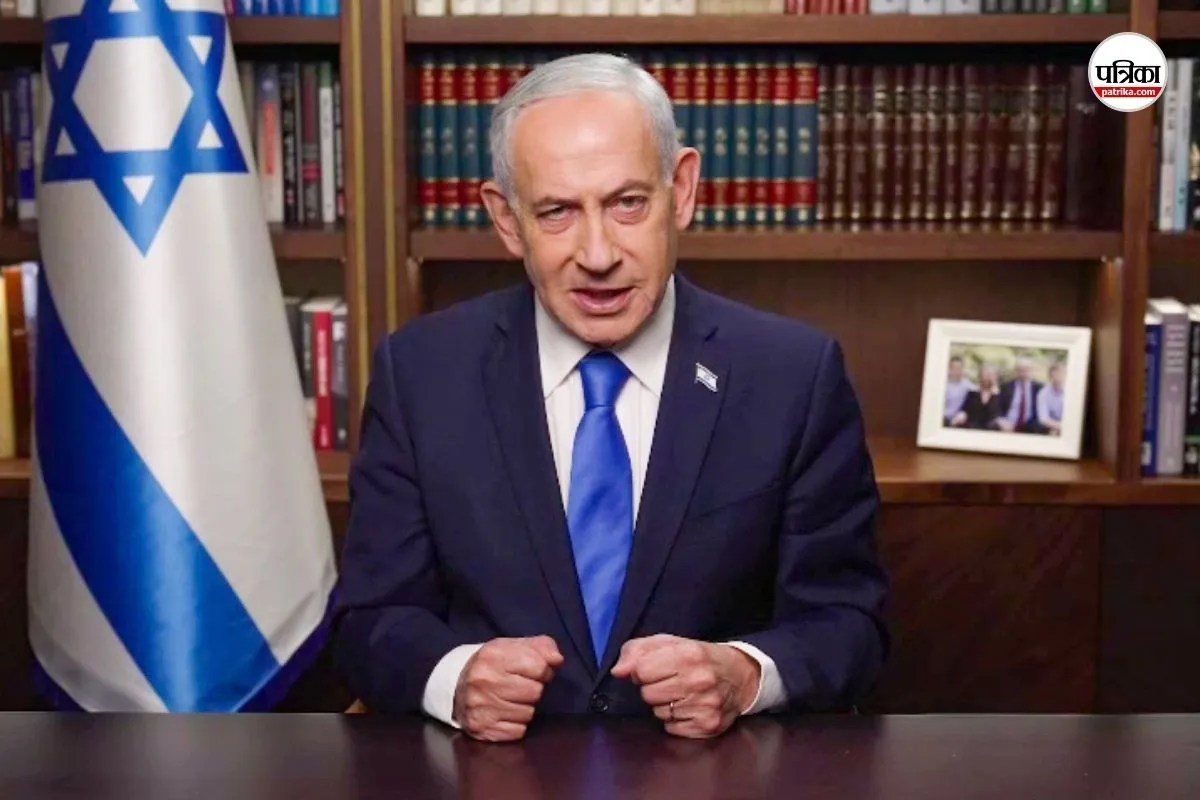
The sudden removal of Iran’s Supreme Leader from the Middle Eastern chessboard triggers an immediate transition from a strategy of containment to one of fundamental structural realignment. Prime Minister Benjamin Netanyahu’s public assertion of "I told you so" is not merely rhetorical posturing; it is a calculated signaling of a shift in the regional power hierarchy. When a centralized theocratic autocracy loses its apex, the resulting instability is not a linear decline but a chaotic fragmentation of influence. Israel’s objective in this window is to exploit the internal friction within the Islamic Revolutionary Guard Corps (IRGC) to permanently degrade the "Ring of Fire" strategy—Iran’s decades-long project of encircling the Jewish state with proxy militias.
The Tripartite Power Void
The death of a Supreme Leader in the Iranian system creates a crisis of legitimacy that functions across three distinct layers. Understanding these layers is essential to predicting how Israel and the broader international community will navigate the coming months.
- The Institutional Layer: The Assembly of Experts must select a successor, but the process is fraught with the tension between traditional clerical authority and the rising pragmatism of the security apparatus. This internal focus reduces Tehran's bandwidth for managing external military operations.
- The Paramilitary Layer: The IRGC relies on the Supreme Leader for both religious justification and budgetary priority. Without a clear arbiter, different branches of the IRGC—specifically the Quds Force versus the domestic intelligence units—enter a competition for resources.
- The Proxy Layer: Groups like Hezbollah in Lebanon, the Houthis in Yemen, and various PMFs in Iraq operate on a "command and control" model that originates in Tehran. A lapse in clear directives from the center leads to tactical hesitation or, conversely, unauthorized escalations by local commanders seeking to prove their relevance.
Netanyahu’s Doctrine of Vindicated Assertiveness
Netanyahu’s messaging serves a specific function in international diplomacy: the re-establishment of Israeli intelligence and political foresight as the primary North Star for Western policy. By framing the current instability as an inevitable outcome of a "failed regime," Israel seeks to discourage the United States and European powers from attempting to stabilize the new Iranian leadership through concessions or renewed nuclear negotiations.
This doctrine rests on the premise that the Iranian regime is not a monolith but a brittle structure held together by a singular charismatic authority. Israel’s intelligence community has long argued that the "Head of the Octopus" strategy—striking directly at Iranian interests rather than just fighting the "tentacles" (proxies)—is the only way to achieve long-term security. The current leadership crisis in Tehran provides the perfect empirical evidence for this stance, allowing Israel to push for a "maximum pressure" 2.0 policy among its allies.
Breaking the Proxy Feedback Loop
The relationship between Tehran and its proxies is not a one-way street; it is a feedback loop of intelligence, funding, and ideological motivation. When the source of this loop is compromised, the proxies face a crisis of "Strategic Orphanhood."
- Hezbollah’s Autonomy Trap: If Hezbollah loses the direct line of authority from the Supreme Leader, it must decide whether to act as a Lebanese political party or an Iranian vanguard. Israel views this hesitation as a tactical opening to intensify strikes against long-range missile manufacturing sites in the Bekaa Valley.
- The Houthi Variable: Unlike Hezbollah, the Houthis are less ideologically integrated into the Wilayat al-Faqih system. Their cooperation with Iran is more transactional. A weakened Tehran could lead to the Houthis seeking independent legitimacy, potentially through more aggressive maritime disruption or, alternatively, a separate peace track to secure their domestic hold on Yemen.
The cost function of maintaining these proxies increases exponentially when the central state is in turmoil. Israel's strategy involves increasing this cost by targeting the logistics of the "Land Bridge"—the supply route running through Iraq and Syria—at the exact moment when Iranian oversight is most distracted.
The Risk of Violent Succession
History indicates that autocracies are most dangerous when they are transitioning. The IRGC may feel the need to execute a "demonstration of strength" to prove that the Supreme Leader's death has not diminished their capability. This could manifest as a surge in cyberattacks on Israeli infrastructure or a coordinated strike from a third-party geography.
Israel’s defense posture has shifted to a state of high-readiness interdiction. This involves preemptive intelligence operations designed to disrupt communication between the IRGC and its foreign cells. The goal is to ensure that any "demonstration of strength" is met with a disproportionate response that further undermines the credibility of the new leadership in Tehran.
Tactical Realignment of the Abraham Accords
The death of the Supreme Leader changes the calculus for Sunni Arab states. For countries like Saudi Arabia, the United Arab Emirates, and Bahrain, a leaderless Iran is both an opportunity and a threat.
The opportunity lies in the potential for a weakened Iran to stop meddling in their internal affairs. The threat is the "wounded tiger" scenario—where a desperate Iranian military launches regional provocations to unify their domestic population. Israel is positioning itself as the indispensable security partner for these nations. By sharing real-time intelligence on Iranian internal movements, Israel is cementing the informal defense alliance that has been growing since the signing of the Abraham Accords. This is not about diplomatic niceties; it is about a shared survival instinct against a common, albeit currently fractured, enemy.
The Intelligence Imperative
The most critical variable in the next 72 hours to six months is the accuracy of human intelligence (HUMINT) coming out of the Iranian corridors of power. Israel has historically demonstrated a deep penetration into the Iranian security state, as evidenced by previous high-profile assassinations and the theft of the nuclear archives.
Netanyahu’s confidence stems from this information asymmetry. He is signaling to the world that Israel knows more about the internal cracks in the Iranian regime than any other global power. This expertise is being used as a lever to convince the West that now is the time to push for structural changes in Iran, rather than settling for a "managed transition."
The Economic Bottleneck of the IRGC
The IRGC is not just a military force; it is a massive economic conglomerate that controls an estimated 30% to 50% of the Iranian economy. The transition period creates a struggle for control over these assets.
Israel’s strategy includes lobbying for targeted sanctions that specifically hit the IRGC’s commercial interests during this period of confusion. If the IRGC cannot pay its rank-and-file or its foreign fighters, its ability to project power collapses. The "Cost of Influence" becomes too high for a regime that must also manage potential domestic unrest from a population weary of economic mismanagement and political repression.
Strategic Forecast: The Shift to Territorial Containment
The immediate future will see Israel move away from "gray zone" warfare toward more explicit territorial containment. This involves establishing "red lines" regarding Iranian presence in Syria that are non-negotiable and enforced with immediate kinetic action.
The end state of this policy is the balkanization of Iranian influence. By forcing the new leadership in Tehran to prioritize domestic survival over regional expansion, Israel aims to reset the Middle Eastern balance of power for the next generation. The message from Jerusalem is clear: the era of Iranian strategic depth is over, and the window for a permanent reduction of the threat is open. Israel will not wait for a global consensus to act; it will continue to leverage its intelligence superiority to dictate the pace of events, ensuring that the successor to the Supreme Leader inherits a regime that is smaller, poorer, and more isolated than ever before.