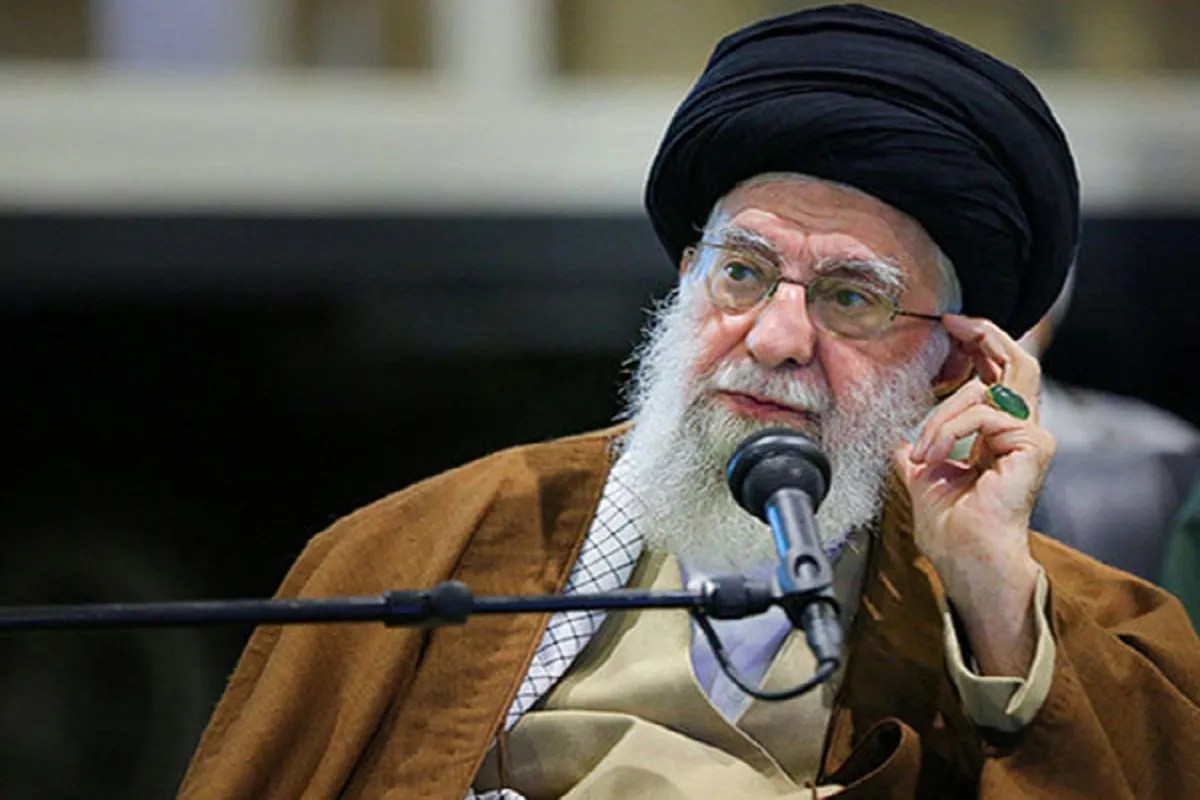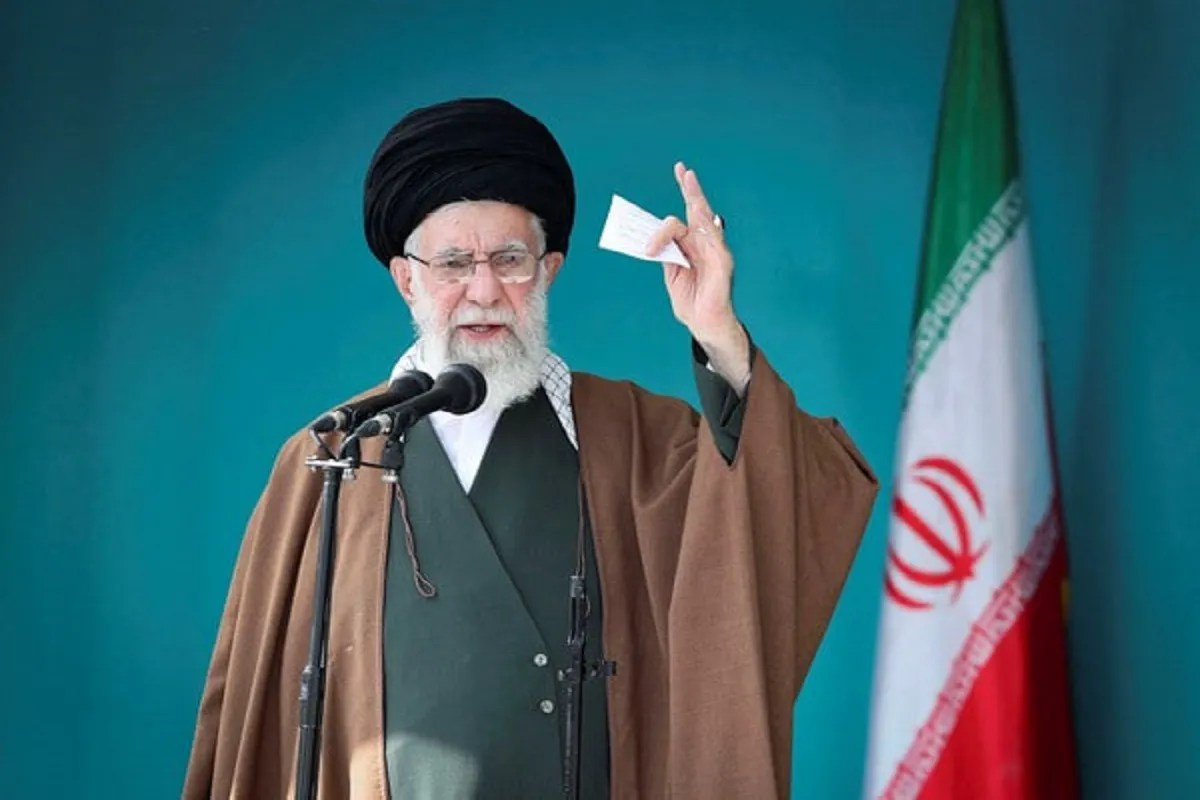
The rumors surrounding the death of Iran’s Supreme Leader, Ali Khamenei, have reached a fever pitch, fueled by sensationalist headlines and a vacuum of verified information from within the Islamic Republic. To be clear: as of this investigation, there is no credible evidence confirming the death of Ali Khamenei. The viral claims suggesting the Iranian military has "revealed a big secret" regarding his passing are currently unsubstantiated fabrications, often circulating through disinformation networks or click-driven media outlets looking to capitalize on Middle Eastern instability.
However, the obsession with Khamenei’s mortality is not baseless. It is the byproduct of a regime facing its most precarious internal and external pressures since 1979. At 86 years old, Khamenei’s health is a matter of national security and global economic consequence. When the rumor mill turns, it isn't just because people enjoy a conspiracy; it’s because the world is terrified of the power vacuum that follows. The transition of power in Tehran is not a democratic process, nor is it a simple hereditary hand-off. It is a high-stakes collision between the clerical establishment and the Islamic Revolutionary Guard Corps (IRGC).
The Anatomy of a Death Rumor
Information coming out of Tehran is filtered through layers of state censorship and tactical ambiguity. This environment is the perfect petri dish for "death hoaxes." In recent months, manipulated images and mistranslated reports from local Persian outlets have been weaponized to suggest that the Supreme Leader succumbed to a long-standing illness.
The IRGC—the true muscle behind the regime—benefits from a certain level of ambiguity. If the public believes a transition is imminent, it allows the military to tighten its grip under the guise of "stability." Conversely, for external adversaries, these rumors serve as psychological warfare, designed to rattle the confidence of the Iranian street. But to understand why these rumors carry such weight, we must look at the legal and shadow structures that will actually dictate what happens when the seat finally becomes vacant.
The Assembly of Experts and the Shadow of the IRGC
On paper, the Assembly of Experts, a body of 88 clerics, chooses the next Supreme Leader. In reality, they are a rubber-stamp committee. The real decision will be made in backrooms by a small circle of high-ranking generals and senior mullahs.
The Candidate Problem
The list of potential successors has thinned significantly over the last two years. The death of President Ebrahim Raisi in a helicopter crash in May 2024 removed the "anointed" frontrunner from the board. Raisi was the perfect vessel—loyal, unimaginative, and deeply embedded in the judicial system. His removal from the equation has left two primary paths:
- Mojtaba Khamenei: The Supreme Leader’s son. While hereditary rule is technically antithetical to the principles of the 1979 Revolution, Mojtaba has spent two decades building a massive power base within the intelligence services and the IRGC.
- A Compromise Cleric: A low-profile, elder figure who would act as a figurehead, allowing the IRGC to transition from a "theocracy with a military" to a "military with a theocratic veneer."
The IRGC is the most significant factor here. They have evolved from a branch of the military into a sprawling conglomerate that controls the Iranian economy, from telecommunications to oil. They do not want a strong-willed Supreme Leader who might challenge their business interests or seek a diplomatic thaw with the West. They want a partner, or better yet, a subordinate.
Why the Iran-Israel Conflict Accelerates the Timeline
The current shadow war with Israel has moved into the light. Direct missile exchanges have stripped away the "strategic patience" doctrine that Khamenei has championed for decades. This shift changes the requirements for the next Supreme Leader.
In a time of active kinetic warfare, the regime cannot afford a protracted succession battle. If Khamenei were to pass during a period of heightened military tension, the IRGC would likely bypass traditional clerical deliberations and install a leader immediately to prevent domestic uprisings. The Iranian public is exhausted. They are battling hyperinflation and a collapsing currency. Any perceived weakness at the top could be the spark for a renewed "Woman, Life, Freedom" movement, but on a much more violent scale.
The Israel Factor
Israel’s intelligence apparatus is arguably the most informed entity regarding Khamenei’s actual health. If the Supreme Leader were truly incapacitated, we would see a shift in Israeli tactical behavior. They would likely ramp up pressure, knowing that a leadership transition is the moment a regime is most vulnerable to internal collapse. The fact that Israeli operations remain focused on Hezbollah and Iranian nuclear infrastructure—rather than preparing for a post-Khamenei chaos—suggests that the "secret" of his death is, for now, a fiction.
The Economic Consequences of the Rumor Mill
Markets hate a vacuum. Every time a rumor about Khamenei’s death hits the wires, the Iranian Rial fluctuates. For the average citizen in Tehran, these rumors aren't political theater; they are a threat to their ability to buy bread.
The regime’s response to these rumors is always the same: a carefully staged video of the Supreme Leader meeting with students or military officials. These videos are analyzed by forensic experts for signs of editing or "deep-fake" indicators. This level of scrutiny shows how little trust exists between the state and the people. When the death eventually happens, the state will likely keep it a secret for days, if not weeks, to ensure the IRGC can mobilize assets to every major street corner in the country.
The Reality of the Secret
There is no "big secret" being held by the Iranian army that has been leaked to the general public. The military is the last group that would leak such a seismic event before they were ready to capitalize on it. What we are seeing is a symptom of a dying regime's inability to communicate.
The real story is not that Khamenei is dead, but that the system he built is so fragile it cannot handle the idea of him dying. The Islamic Republic has failed to build a transparent mechanism for succession, leaving the country’s future to be decided by a handful of men in a dark room.
The transition will not be a televised event of mourning. It will be a silent, brutal realignment of power. The IRGC will likely emerge as the ultimate victors, completing Iran’s transition from a clerical state to a military autocracy.
If you are waiting for an official announcement, look at the streets of Tehran. When the internet goes dark across the entire country and the Revolutionary Guard tanks appear in the squares of Isfahan and Shiraz, you won't need a headline to tell you the Supreme Leader is gone.
Keep your eyes on the movement of the IRGC’s 15th Khordad Division. Their mobilization is a more accurate indicator of the regime's status than any tabloid report.