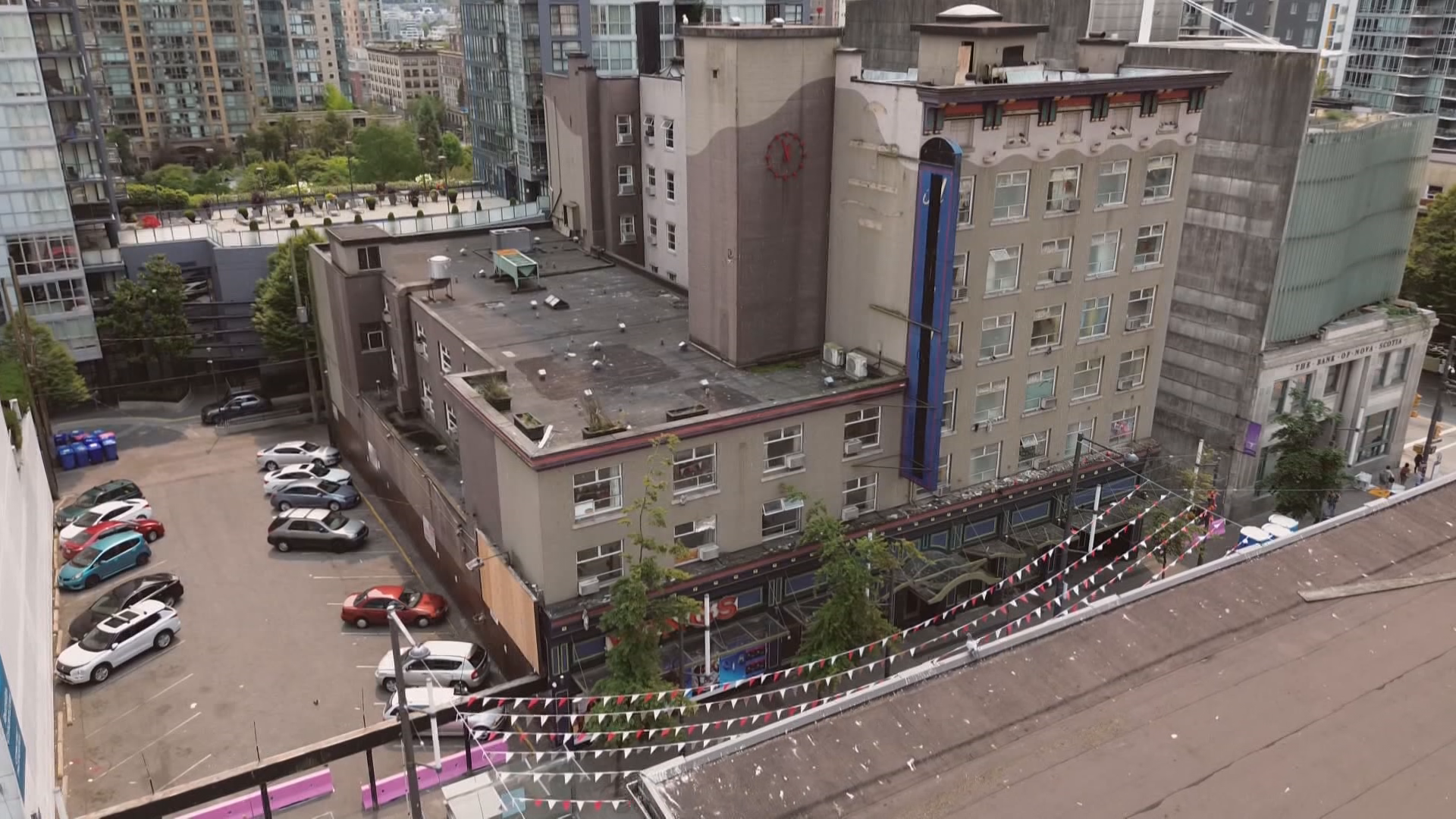
The headlines are breathless, outraged, and utterly missing the point. A single tenant remains in a Vancouver single-room occupancy (SRO) building, the Luugat, and the taxpaying public is being asked to foam at the mouth over a monthly bill exceeding $100,000. Critics point to this as an example of fiscal incompetence. They are right, but they are aiming at the wrong target.
The lazy consensus among armchair pundits is that this situation exists because of the tenant’s intransigence. If only he would leave, the money would stop hemorrhaging. This is a fairy tale.
In reality, the absurdity of keeping a 110-room structure operational for one individual is not a failure of housing policy; it is a clinical exhibit of administrative paralysis. You do not need a housing expert to tell you that paying six figures a month to keep the lights on for one person is indefensible. You only need to understand the fundamental difference between an asset and a liability.
The province bought the building. They own the liability. When a government entity signs itself into a contract where the overhead of a facility—security, insurance, utilities, maintenance, staffing—is tethered to the occupancy of a single individual, you have not created housing. You have created an institutional black hole.
I have spent years watching government agencies blow millions on "solutions" that rely on the assumption that rules designed for 100 people can be miraculously adapted to manage one, without adjusting the baseline operational structure. It is a fundamental error in basic accounting. The Residential Tenancy Act is being brandished like a holy relic, preventing the state from simply shuttering the site or consolidating resources.
Imagine a scenario where a private business finds itself in a similar predicament. Does a hotelier keep the entire heating, cooling, and fire safety systems of a 110-room facility running for one holdout? Of course not. They negotiate a buyout, they expedite an alternative, or they utilize the legal leverage they hold as property owners. But the government is not a business. It is a creature of process.
The process here is broken. The "housing minister" is nowhere to be found, and the bureaucratic machine continues to churn out invoices for a vacant ghost ship because there is no mechanism to trigger an emergency exit. They are paralyzed by the fear of looking like the "bad guy" in a optics-heavy political environment.
Stop asking why the tenant won't move. Start asking why the government treats its own budget as if it were an infinite fountain.
The argument that this is a "disaster of the SRO model" is only half-true. The model is flawed, yes, but the real rot is in the inability of the Ministry of Housing to execute a simple transition. This is not about one man’s seizure disorder or his requirements for an elevator. This is about a state apparatus that lacks the agility to say, "The building is closed, the contract is over, and your new accommodation is ready."
If you run a project where the variable cost is fixed at $100,000 per unit, you have effectively turned the public purse into a piggy bank for utility companies and security firms. That money could have been spent on genuine clinical support, on better-suited permanent housing, or on literally anything else. Instead, it is burned on empty hallways and air conditioning for an abandoned hotel.
The lesson here is simple: whenever the government takes ownership of private assets to "solve" a housing crisis, the inevitable result is a shift from providing shelter to managing real estate that they are technically incapable of closing.
They will not fix this soon because fixing it requires admitting that the current "solution" was designed by people who never considered the cost of failure. The only thing more expensive than a bad housing policy is the stubborn refusal to admit that the property you bought is currently nothing more than an anchor tied to the necks of the taxpayers.
Stop worrying about the one tenant. Worry about the thousands of administrators who look at a $150,000 monthly loss and simply sign the check.