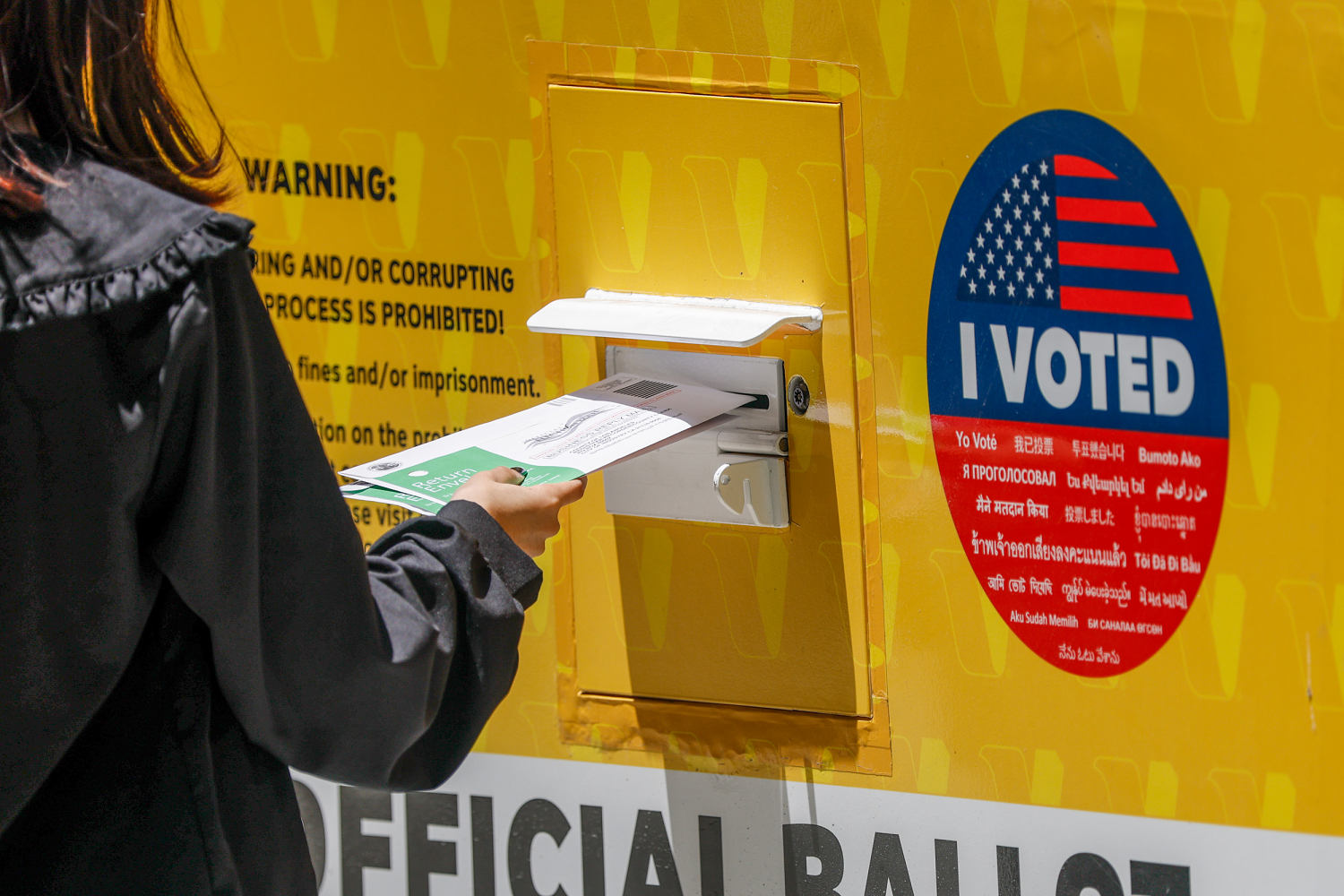
The mechanics of American voting are undergoing a quiet, consequential fracture. For years following the pandemic-era surge of 2020, political analysts treated the partisan divide over mail-in ballots as a permanent architectural feature of modern campaigns. Democrats banked heavily on postal votes, while Republicans marched to physical precincts on Election Day. That neat behavioral binary is breaking down. Recent data from battleground states reveals a striking contraction in mail-in ballot requests among Democratic voters, signaling a tactical retreat from a method the party once claimed as its own.
In states like North Carolina, mail ballot requests among Democrats dropped by roughly forty percent over a recent multi-year span, far outpacing the decline seen among Republican applicants. This is not merely a statistical blip. It reflects a fundamental reassessment of risk, trust, and ballot security by voters and party strategists alike.
The Erosion of Postal Confidence
To understand this retreat, one must look past party slogans and examine the operational reality of the United States Postal Service. Punctuality concerns, chronic delivery delays, and localized administrative bottlenecks have turned what was once viewed as a clean convenience into a nerve-wracking gamble. When a voter worries whether their envelope will arrive before statutory deadlines, the psychological cost of postal voting spikes.
Compounding these mechanical fears is a shifting messaging strategy within the political landscape. Although national party committees spent years assuring the electorate that mail-in voting remains secure, local organizers are increasingly confronting the reality of dropped participation. Furthermore, concerns regarding in-person ballot drop box security and fluctuating postal processing speeds have led some factions within the Democratic base to abandon mail-in channels entirely, choosing instead to hand-deliver their votes early or wait for Election Day.
The Strategic Fallout for Campaigns
This behavioral pivot forces political operatives to redraw their field manuals. When a significant portion of a party's base stops banking votes weeks before the election, the entire timeline of campaign resource allocation shifts. Field operations can no longer rely on early return rates to measure enthusiasm or coast to an early advantage before the final bell rings.
Instead, campaigns must re-engineer their mobilization structures for a compressed window. Money and manpower once dedicated to persistent postal chase operations—tracking down unreturned envelopes and managing cure processes for signature mismatches—must now pivot toward traditional early voting centers and traditional precinct turnout. This requires a leaner, more agile infrastructure, one vulnerable to last-minute weather disruptions or localized administrative failures on Election Day.
The Myth of Permanent Partisan Habits
Political behavior is rarely static. The assumption that voters locked into habits formed during a public health crisis would maintain them indefinitely ignored the fluid nature of political trust. Just as Republicans spent years adapting to early and mail voting despite leadership skepticism, Democrats are now proving equally pragmatic.
As legal and administrative battles over election rules persist between state officials and federal agencies, the electorate continues to vote with its feet. The ongoing erosion of the mail ballot firewall exposes a broader truth about modern democracy. Voters adapt faster than the parties trying to herd them, leaving strategists scrambling to catch up with a moving target.